Wildfire season brings real anxiety for homeowners. The question of whether home insurance covers wildfires isn’t always straightforward, and many policies have significant gaps.

At Direct Insurance Services, we’ve helped countless homeowners understand their actual coverage when it matters most. This guide breaks down what your policy protects and where you need additional safeguards.

What Your Standard Policy Actually Covers

Standard homeowners insurance treats wildfire damage as a fire peril, which means your dwelling, detached structures like garages and sheds, and personal belongings inside your home receive protection if flames destroy them. The Insurance Information Institute confirms that HO-3 policies (the most common type) provide this coverage automatically. However, coverage limits matter far more than most homeowners realize.

Hub-and-spoke diagram summarizing HO-3 wildfire coverage: dwelling, detached structures, personal property, smoke/ash, firefighting water/foam, and additional living expenses. - does home insurance cover wildfires

If your home is insured for $400,000 but rebuilding costs spike to $600,000 after a wildfire-which happens regularly when labor and materials surge in fire-affected regions-you face a $200,000 gap. Replacement cost coverage pays current construction prices, while actual cash value deducts depreciation and leaves you substantially short. Replacement cost endorsements reflect reality after a loss, not outdated valuations.

Smoke and Ash Damage Receives Coverage More Often Than People Think

Smoke damage from wildfires falls under the fire portion of your policy and typically receives coverage, including cleanup costs and temporary housing during repairs. Soot and ash that infiltrate your home, damage to belongings from smoke exposure, and even firefighting water or foam damage are usually included. The National Fire Protection Association notes that many homeowners overlook this coverage because they assume only direct flame damage counts. The practical takeaway is straightforward: photograph smoke damage inside your home before cleanup begins, document all affected items, and submit these records with your claim. Insurers need visual evidence to process reimbursement efficiently.

Additional Living Expenses Reimburse Your Actual Costs During Evacuation

If a wildfire forces evacuation and your home becomes uninhabitable, additional living expenses coverage reimburses hotel stays, meals, pet care, and other necessary costs up to your policy limits, which typically run around 20 percent of your home’s insured value. In high-risk areas, this limit often proves insufficient. A family displaced for three months in a region where hotels cost $150 per night quickly exhausts an $80,000 limit.

Percentage chart highlighting ALE limits and catastrophe deductible ranges common in U.S. homeowners policies. - does home insurance cover wildfires

You should keep every receipt-lodging, groceries, temporary storage, laundry services-because your insurer will request documentation. Some policies cap daily hotel reimbursement at specific amounts, so contact your agent before booking to confirm what qualifies and avoid unexpected denials.

Coverage Gaps Emerge in Specific Wildfire Scenarios

Your standard policy covers direct flame damage, but significant gaps exist in wildfire situations. Landscaping damage, outdoor structures in certain high-risk areas, and damage from uncontrolled vegetation fires that don’t directly reach your home may fall outside your coverage. Additionally, if you fail to evacuate when ordered and suffer losses as a result, your insurer may deny the claim entirely. These gaps highlight why understanding your exact policy language matters before wildfire season arrives. Your agent can identify which specific perils your policy covers and which ones require additional endorsements or separate policies to address.

What Your Policy Won’t Cover When Wildfire Strikes

Your standard homeowners policy coverage for wildfire damage limitations and exclusions has real limits that catch many people off guard when a wildfire passes through their neighborhood. Vegetation fires that don’t directly reach your home but cause smoke, ash, or debris damage often fall outside coverage because your policy covers fire damage to structures and belongings, not ambient environmental harm. If a wildfire burns vegetation on adjacent properties and smoke seeps into your home for weeks, damaging walls and contents through exposure, your insurer may classify this as smoke damage from a fire that didn’t touch your property-a technical distinction that results in denial.

Smoke Damage from Nearby Fires Creates Coverage Confusion

The practical reality is that you need to review your policy’s specific language about what constitutes a covered fire peril. Ask your agent directly whether smoke damage from nearby fires qualifies or whether only direct flame contact triggers reimbursement. This distinction matters enormously in wildfire zones where smoke travels miles from the actual fire. Your policy language determines whether ambient smoke exposure receives coverage or falls into a gap that leaves you responsible for thousands in damage.

Landscaping and Vegetation Receive No Protection

Landscaping and vegetation on your property receive no coverage under standard homeowners insurance, even though these elements directly affect wildfire risk. If flames destroy mature trees, shrubs, and grass around your home, your policy won’t reimburse replanting or restoration costs. This gap forces homeowners to choose between accepting permanent landscape loss or paying out of pocket for restoration-a significant expense that compounds the financial impact of a wildfire event.

Detached Structures Face Limits in High-Risk Areas

Detached structures in high-risk areas present another coverage issue. While garages and sheds are typically covered, some insurers in California and other fire-prone regions impose separate limits or exclusions for these buildings, particularly if they’re located away from your main dwelling. You should verify with your agent whether your detached structures carry the same protection as your primary residence or whether they face reduced limits that could leave you underinsured.

Evacuation Order Violations Eliminate Coverage Entirely

If a mandatory evacuation order is issued and you choose to stay behind or return to your property prematurely without authorization, any losses you suffer may result in claim denial because you violated evacuation directives. Insurance companies view this as a failure to mitigate risk. The consequence is substantial: a house that catches fire while you remain inside despite evacuation orders could leave you completely uninsured for that loss.

Contact your local fire department before wildfire season to understand evacuation procedures in your area, and treat evacuation orders as absolute requirements for maintaining coverage. This step protects both your safety and your ability to recover financially after a wildfire. Understanding these coverage gaps positions you to take the next critical action: working with an independent agent who can identify which specific endorsements or additional policies address the vulnerabilities in your current coverage.

How to Secure the Right Coverage Before Wildfire Season

Work with an Independent Agent to Identify Coverage Gaps

An independent insurance agent serves as your strongest defense against coverage gaps that emerge during wildfire claims. Unlike captive agents who represent a single insurer, independent agents access multiple carriers and identify which policies offer wildfire protection tailored to your specific risk profile. When you meet with an agent, bring your current declarations page and ask three direct questions: Does my policy cover smoke damage from nearby fires, or only direct flame contact? What are my dwelling coverage limits compared to current rebuilding costs in my area?

Compact ordered list of three key questions to verify wildfire coverage details with an agent.

Do I have replacement cost coverage, or does my policy use actual cash value?

The National Fire Protection Association notes that many homeowners carry replacement cost coverage for their dwelling but actual cash value for personal belongings, creating a dangerous mismatch where belongings receive only depreciated payouts. An agent can identify these misalignments and recommend endorsements like scheduled personal property coverage for high-value items such as jewelry, artwork, or electronics. They should also explain your deductible structure-standard deductibles typically run $500 to $1,000, but catastrophe deductibles in fire-prone areas can reach 2 to 5 percent of your home’s insured value (meaning a $500,000 home carries a $10,000 to $25,000 out-of-pocket cost after a wildfire claim). This calculation matters enormously when you evaluate whether your coverage is adequate.

Document Your Home’s Contents and Value Before Wildfire Season

A detailed home inventory transforms your claims process from guesswork into solid documentation. Photograph or video-record every room, closet, garage, and storage area, capturing items on shelves, in drawers, and hanging in closets. Include close-ups of serial numbers on electronics and appliances. Store receipts for major purchases alongside these records in a secure location outside your home-a cloud storage account, safe deposit box, or external hard drive kept at a relative’s house.

The National Association of Insurance Commissioners emphasizes that homeowners who maintain inventories resolve claims 40 percent faster than those submitting claims from memory. When documenting, note brand names and approximate purchase dates; your insurer will use this information to determine replacement cost. This preparation pays dividends when you file a claim and need to prove what you owned.

Create Defensible Space and Upgrade Fire-Resistant Features

Take concrete preventive steps that reduce wildfire risk and often qualify for insurance discounts. Create defensible space by removing dead trees and branches within 30 feet of your home, trimming tree branches 6 to 10 feet above ground level, and clearing gutters and roof valleys of pine needles and leaves. Replace wood mulch with gravel or rock in landscaping beds within 5 feet of structures, as wood mulch ignites easily from flying embers.

Install or upgrade to a Class A fire-rated roof, which the National Fire Protection Association identifies as the single most effective home-hardening measure. Ask your agent which specific mitigation measures your insurer rewards with premium discounts-some carriers offer 10 to 15 percent reductions for homes with defensible space and fire-resistant roofing. Document completed improvements with photographs and contractor receipts, then notify your agent so these upgrades can be reflected in your policy and potentially reduce your premiums.

Final Thoughts

Wildfire risk demands action before evacuation orders arrive. Your standard homeowners policy covers direct flame damage, smoke exposure, and temporary housing during evacuation, but significant gaps exist in most policies-landscaping damage, ambient smoke from nearby fires, and evacuation order violations fall outside coverage. Whether home insurance covers wildfires depends entirely on your specific policy language, coverage limits, and deductible structure, which could reach tens of thousands of dollars in a catastrophe scenario.

Review your declarations page immediately and contact your agent to confirm replacement cost coverage for both dwelling and personal belongings, verify your coverage limits against current rebuilding costs in your area, and understand your exact deductible structure. Create a detailed home inventory with photographs and receipts stored outside your home, then implement defensible space measures and fire-resistant upgrades that reduce risk and often qualify for premium discounts. These three actions position you to face wildfire season with actual protection rather than false confidence.

We at Direct Insurance Services work with multiple carriers to identify homeowners policies that address wildfire exposure in your specific situation. Contact Direct Insurance Services to discuss your wildfire coverage with an agent who understands your area’s fire season and can recommend solutions tailored to your home and budget.

Disclaimer: The information provided in this blog is for general informational purposes only and does not constitute legal, financial, or insurance advice. Coverage options, terms, and availability may vary. Please consult with a licensed professional for advice specific to your situation
Running a business from home exposes you to gaps that standard homeowners insurance simply won’t cover. Your equipment, client injuries, and liability claims need protection designed specifically for your operation.

At Direct Insurance Services, we’ve seen too many home-based business owners discover these gaps the hard way. This guide walks you through the coverage types you actually need and how to build a policy that matches your specific risks.

What Home-Based Business Insurance Actually Covers

The Coverage Gap Your Homeowners Policy Won’t Fill

Home-based business insurance fills the protection gap that standard homeowners policies leave wide open. A typical homeowners policy provides only about $2,500 of coverage for business equipment at home and $250 off premises-nowhere near adequate for most operations. These policies exclude liability arising from business activities altogether. If a client visits your home office and suffers an injury, or if your business causes property damage, your homeowners insurance won’t protect you. Home-based business insurance addresses this by bundling property coverage for your equipment, inventory, and files with liability protection for claims made by clients or third parties.

Key gaps in homeowners insurance for home-based businesses in the United States - home based business insurance

Why Home-Based Businesses Face Unique Risks

The risks specific to home-based businesses differ fundamentally from traditional office environments. If clients visit your home to receive services-whether you’re a consultant, therapist, trainer, or contractor-you face premises liability exposure that a homeowners policy ignores. Equipment breakdown, cyber threats, and data breaches pose serious financial risks, especially if you handle client information or sensitive business documents. A home office fire that makes your living space uninhabitable can trigger coverage for additional living expenses under a business policy, whereas your homeowners policy may not address business income loss at all.

Who Faces the Greatest Vulnerability

Sole proprietors and independent contractors face particular vulnerability because they lack the liability protection built into corporate structures. If you have even one employee working from home, workers’ compensation becomes a legal requirement in most states once you cross certain thresholds, and your homeowners policy provides zero coverage for employee injuries. Standard policies also exclude business vehicles, so if you use a personal auto for client visits or deliveries, you’re driving without proper business coverage.

The Real Cost of Operating Without Proper Protection

The practical reality is that your homeowners insurance and personal auto policy were designed to protect your residence and family, not to shield a revenue-generating operation from the unique exposures it creates. Homebased businesses might require small business insurance since homeowners may not cover business needs. This explosive growth means millions of people operate without proper protection. The coverage your home-based business needs extends far beyond what standard policies offer, which is why understanding the specific types of protection available becomes essential as you assess your operation’s actual exposures.

Types of Coverage That Actually Protect Your Home Business

General Liability: Your First Line of Defense

General liability insurance protects you from premises liability claims if a client slips in your home office, gets bitten by your dog, or suffers injury from your business activities. This coverage is non-negotiable for any home-based business where clients visit your property or where your work could injure someone. Typical general liability policies start around $300,000 to $1,000,000 in coverage limits and cost roughly $300 to $600 annually for home-based operations, according to industry data on small business insurance costs. If you’re a consultant, therapist, trainer, or contractor who meets with clients at home, this coverage protects your personal assets when liability claims arise.

Professional Liability for Service-Based Work

Professional liability insurance (also called errors and omissions) matters if your business involves providing advice or professional services. This coverage pays legal costs if a client sues for professional negligence or claims your work caused them financial harm. Service providers who handle client information or make recommendations face significant exposure without this protection.

Property and Equipment Coverage

Property and equipment coverage protects the physical assets that generate your income. A standard homeowners policy covers only about $2,500 of business equipment at home and $250 off premises, which falls short for most operations. An in-home business insurance policy typically costs under $300 per year and can insure business property around $10,000, making it affordable protection for your technology, files, and professional equipment. If a fire damages your home office and makes your space uninhabitable, a business policy covers additional living expenses while you rebuild, plus replaces your lost equipment and inventory. A Business Owners Policy bundles property and general liability coverage together, simplifying administration and often reducing costs compared to separate policies.

Cyber Insurance for Data-Heavy Operations

For technology-focused home businesses, cyber insurance becomes critical since data breaches and ransomware attacks expose you to notification costs, client lawsuits, and regulatory fines. This coverage protects your business when you handle sensitive client information or store valuable business data on your systems.

Visual map of essential insurance coverages for a U.S. home-based business

Workers’ Compensation and Vehicle Coverage

Workers’ compensation is legally required in most states once you hire employees, typically when you reach three or more workers (though some states have lower thresholds). Your homeowners insurance provides zero coverage for employee injuries, making a business workers’ compensation policy essential if you have staff. If you use a personal vehicle for business purposes like client visits or deliveries, your personal auto insurance likely excludes this use entirely. A separate business auto policy or business-use endorsement is necessary to avoid driving without proper coverage and facing personal liability for damages caused during business operations.

As your home-based business grows and your equipment investments increase, the question shifts from whether you need coverage to which policy structure fits your operation best. The next section walks you through assessing your specific business type and risk level to match the right protection to your actual exposures.

How to Choose the Right Policy for Your Home Business

Match Your Coverage to Revenue and Operations

Your business structure determines which policy works best. If your operation generates less than $5,000 annually and operates entirely online with no client visits, a home business insurance endorsement covers property damage, legal fees, lost business income, and data breaches. However, if you earn $25,000 to $100,000 yearly, meet clients at home, or plan to hire staff, a dedicated in-home business policy at roughly $300 annually provides substantially better protection with general liability limits between $300,000 and $1,000,000 and coverage for business income loss if a fire makes your space uninhabitable.

Three policy paths for U.S. home-based businesses based on revenue and operations - home based business insurance

The moment your revenue approaches $250,000 annually or you hire your first employee, a Business Owners Policy becomes the smarter choice because it bundles property and liability coverage into one streamlined policy, simplifying administration and often costing less than purchasing separate endorsements.

Calculate True Protection Value, Not Just Premium Cost

Cost comparisons matter, but comparing only premiums misses the real calculation. An annual cost of $300 to $600 for comprehensive home business coverage is genuinely inexpensive compared to a single liability claim that your homeowners policy won’t cover. Evaluate three specific scenarios for your business: first, what happens if a client injures themselves at your home office; second, what happens if equipment damage or theft disrupts your income for several weeks; and third, whether you could absorb the cost of a data breach if you handle client information. Your answers to these questions determine whether you need general liability, property coverage, cyber insurance, or all three.

Shop Multiple Carriers and Leverage Independent Agents

Request quotes from multiple carriers because premiums vary significantly based on business type and risk profile. An independent agent representing multiple insurers can show you these differences quickly rather than requiring you to contact each carrier separately, and they can identify which endorsements fill specific gaps in your coverage. State regulations affect what’s available in your area, so consulting a licensed professional who understands local requirements prevents purchasing inadequate coverage or discovering mid-claim that something you thought was covered actually isn’t.

Final Thoughts

Home-based business insurance fills a protection gap that standard homeowners policies simply cannot address. A single liability claim from a client injury or a data breach affecting your customers can cost tens of thousands of dollars, and without proper coverage, that financial burden falls entirely on you. The right policy structure depends on your revenue level, whether clients visit your home, and whether you plan to hire employees-an endorsement works for operations under $5,000 annually, an in-home business policy fits the $25,000 to $100,000 range, and a Business Owners Policy makes sense once you approach $250,000 in revenue or bring on staff.

At Direct Insurance Services, we work with multiple carriers to match your actual exposures to the right home-based business insurance policy. Our independent agency approach means we’re not locked into selling one company’s products-we can show you genuine options and explain which gaps matter most for your specific operation. We help clients throughout Utah navigate these decisions with personalized guidance rather than generic recommendations.

Contact Direct Insurance Services today to discuss your home-based business insurance needs and build a protection plan that lets you operate with confidence.

Disclaimer: The information provided in this blog is for general informational purposes only and does not constitute legal, financial, or insurance advice. Coverage options, terms, and availability may vary. Please consult with a licensed professional for advice specific to your situation
Termite damage can cost homeowners thousands of dollars in repairs, yet most people don’t realize their standard homeowners insurance won’t cover it. We at Direct Insurance Services want to help you understand this coverage gap and protect your home.

The question of whether home insurance covers termite damage has a straightforward answer: it typically doesn’t. Learning why-and what you can do about it-is the first step toward real protection.

What Your Homeowners Policy Actually Covers

Standard homeowners insurance protects against sudden, accidental events-not gradual wear or preventable maintenance. Your policy covers perils like fire, theft, wind damage, and hail.

Overview of what a standard U.S. homeowners insurance policy typically covers and excludes.

It shields your home’s structure, personal belongings, and provides liability protection if someone gets injured on your property. However, the moment damage results from something preventable or happens slowly over time, insurers exclude it.

Why Insurers Exclude Termite Damage

Insurers classify termite damage as a maintenance issue you should have prevented. Termites damage approximately 600,000 homes in the U.S. each year, and U.S. residents spend an estimated $5 billion annually to control termites and repair termite damage, yet homeowners insurance policies almost universally deny these claims. The reason is straightforward: termites don’t strike suddenly like a lightning fire. They work invisibly for months or years, which insurers view as a failure of preventative care rather than an insurable event.

Key U.S. termite impact figures on homes and repair costs. - does home insurance cover termite damage

The Hard Line Between Sudden and Gradual Loss

Insurance companies draw a hard line between sudden losses and gradual deterioration. A pipe bursting overnight and flooding your basement gets covered; termites slowly consuming your joists do not. Insurers argue that you have the ability to prevent termite infestations through inspections, maintenance, and professional treatments. This classification matters because it shifts the financial responsibility entirely to you.

Coverage Limits Don’t Apply to Excluded Perils

Coverage limits and deductibles become irrelevant when the damage itself falls outside your policy’s scope. Your deductible might be 500 or 1,000 dollars, but it won’t apply to termite repairs because termite damage isn’t a covered peril at all. The only rare exception occurs when termite damage indirectly causes a covered loss-for instance, if termites damage electrical wiring and spark a fire, the fire damage itself might be covered (though the termite damage remains your responsibility).

What This Means for Your Home

This coverage gap leaves homeowners vulnerable to substantial out-of-pocket costs. The financial burden falls entirely on you to detect termites early and address them before they cause expensive structural damage. Understanding this reality makes prevention and early detection not just smart choices-they become your primary defense against devastating repair bills.

Why Insurance Won’t Pay for Termite Damage

Insurers refuse to cover termite damage because they classify it as a maintenance failure, not an insurable event. The National Pest Management Association reports that termite damage costs approximately $6.8 billion annually across the U.S., yet homeowners absorb nearly all of these costs themselves. Insurance companies take this position because termites operate gradually-they spend months or years consuming wood before you notice the damage. This slow, preventable process falls outside what insurers consider a covered peril. A sudden fire from lightning receives coverage; termites silently destroying your foundation do not. The distinction matters financially because it means your policy’s deductible, coverage limits, and protections simply don’t apply. Insurers view termite prevention as your responsibility through regular inspections and maintenance, making any resulting damage your financial obligation.

Why Gradual Damage Gets Excluded

Insurance policies protect against unexpected events, not foreseeable deterioration. Termites don’t surprise you overnight-they give you time to catch them through inspections and preventative treatments. This is precisely why insurers exclude gradual damage across all policy types. A water pipe that bursts suddenly qualifies for coverage; water damage from a slow leak you ignored does not. The same logic applies to termites. Insurers argue that you have affordable options to prevent infestations through professional inspections, which cost between $200 and $500 annually according to pest control industry standards. This preventative accessibility is why insurance companies consistently deny termite claims. They see the damage as resulting from negligence rather than chance. Your policy protects against risks you cannot control; termite prevention falls squarely into the category of risks you can.

The Rare Exception That Doesn’t Help

A narrow exception exists in insurance contracts: if termite damage causes a secondary covered loss, that secondary damage might be covered. For example, if termites damage electrical wiring and spark a house fire, the fire damage itself could be covered (though the termite damage remains entirely your responsibility). This exception sounds helpful until you realize it rarely applies in practice. Most termite damage causes structural deterioration, not fires or other covered perils. The exception also requires you to prove that termites caused a specific covered event, adding complexity and legal costs to your claim. Essentially, this exception provides almost no practical protection for homeowners facing typical termite situations.

What You Can Do Instead

Since your standard homeowners policy won’t cover termite damage, you need to take action yourself. Professional pest control treatments, regular inspections, and preventative home maintenance become your primary defenses against costly repairs. The next section walks you through these practical steps to protect your home before termites cause expensive structural damage.

How to Protect Your Home from Termites

Catch Termites Early Through Professional Inspections

Annual professional inspections represent your best defense against costly repairs, and EPA recommendations for termite prevention emphasize this approach as effective. A certified pest inspector identifies termite activity before visible damage appears-a critical advantage since termites often remain hidden for years before swarmers or structural deterioration becomes obvious. Annual inspections typically cost between $200 and $500 according to pest control industry standards, far less than the $5 billion Americans spend annually on termite treatment and repairs. During an inspection, professionals look for mud tubes near your foundation, probe exposed wood for hollow spots with a flathead screwdriver, and check for telltale signs that indicate active colonies. If you spot mud tubes, maze-like patterns in wood, hollow-sounding timber when tapped, or salt-and-pepper droppings from drywood termites, contact a licensed exterminator immediately. The National Pest Management Association emphasizes that prevention costs less than remediation, and early detection prevents the kind of structural damage that can cost thousands of dollars and complicate selling your home.

Apply Professional Pest Control Treatments

Licensed pest management professionals use multiple treatment methods depending on your situation and termite type. Soil-applied termiticides create a chemical barrier around your foundation-professionals must install these correctly to avoid contaminating your home and drinking water wells. Termite baits offer another approach, using slow-acting insecticides in cellulose-based stations that workers transport back to the colony. For new construction or during renovations, borates sprayed on wood provide long-term protection. Each method targets termites differently, so a licensed professional helps you select the right approach for your specific infestation or prevention needs.

Eliminate Moisture and Block Access Points

You control moisture and access through practical maintenance that costs little compared to structural repairs. Keep plants and mulch 2-3 feet away from your foundation to reduce moisture and termite access. Repair leaks in faucets, gutters, and roofs immediately, and direct storm drains away from your home. Never stack firewood next to your house, as wood stored near the foundation attracts termites. Reduce termite entry points by filling cracks in cement foundations and around utility penetrations with cement, grout, or caulk.

Actionable maintenance steps homeowners can take to reduce termite risk. - does home insurance cover termite damage

Remove dead trees, branches, and debris near your home, and keep vents free from blockage. Use treated wood for decks, fences, and any exposed wood elements throughout your property. Keeping rodents and insects away from your home is preventable with proper maintenance, and these preventative measures eliminate the conditions termites need to survive and thrive near your home.

Final Thoughts

Homeowners insurance won’t cover termite damage because insurers classify it as a maintenance issue you can prevent, not an insurable event. This means you bear the financial responsibility to detect termites early and address them before they cause expensive structural damage. The answer to “does home insurance cover termite damage” is no, but prevention works and costs far less than repairs.

Annual professional inspections catch termite activity before visible damage appears, costing between $200 and $500 compared to the thousands you’d spend on repairs. Soil-applied termiticides, termite baits, and borates provide effective treatment options when professionals apply them correctly. Simple maintenance steps like keeping mulch away from your foundation, fixing leaks promptly, removing firewood from your property, and using treated wood eliminate the conditions termites need to survive.

Your homeowners policy protects against sudden, accidental events, but termites operate gradually over months or years. We at Direct Insurance Services understand that homeowners insurance has limits, and we’re here to help you understand your coverage and identify protection gaps. Contact our team to review your policy and ensure you have the right coverage for what matters most.

Disclaimer: The information provided in this blog is for general informational purposes only and does not constitute legal, financial, or insurance advice. Coverage options, terms, and availability may vary. Please consult with a licensed professional for advice specific to your situation
Floods cause more damage to U.S. homes than any other natural disaster, yet most homeowners don’t realize their standard insurance won’t cover it. We at Direct Insurance Services know that Utah residents face real flood risks, and understanding your options for flood coverage home insurance is the first step toward protecting your property.

This guide walks you through everything you need to know about securing the right protection.

Why Your Homeowners Policy Won’t Protect You from Floods

Standard Policies Exclude Flood Damage

Standard homeowners insurance policies contain explicit exclusions for flood damage, which means your typical coverage won’t pay a single dollar when water from heavy rainfall, overflowing rivers, or storm surge damages your home. Insurance companies treat floods separately because the risk is too widespread and unpredictable for traditional homeowners policies to absorb. According to FEMA, 90% of presidentially declared disasters involve flooding, yet most homeowners remain uninsured for this specific peril. The gap exists because flood risk varies dramatically by location and requires specialized underwriting that standard policies don’t provide. Your homeowners insurance will cover wind damage from a hurricane, but not the flooding that follows the same storm.

Why This Matters in Utah

This distinction matters enormously in Utah, where flash flooding in canyons and along rivers has caused significant property damage in recent years. To get flood protection, you need a separate flood insurance policy, either through the National Flood Insurance Program administered by FEMA or through private flood insurance carriers.

Assess Your Actual Flood Exposure

Utah homeowners in high-risk flood zones must understand their actual exposure before choosing coverage. Start by checking your property on the Flood Map Service Center to determine your flood zone and base flood elevation, which directly affects your insurance costs and requirements. If your mortgage comes from a government-backed lender and your home sits in a high-risk area, your lender will require you to purchase flood insurance before closing.

Flooding Occurs Outside High-Risk Zones Too

Even if you’re not in a designated high-risk zone, flooding can still occur. The true cost of flood damage extends beyond structural repairs; it includes displacement from your home, lost personal belongings, and recovery expenses that standard insurance won’t cover. A single inch of water can cause thousands in damage, while several feet can total your home.

Take Action Before Flood Season

Every Utah homeowner should assess their flood risk and secure appropriate coverage, whether through the NFIP or private options, because waiting until flood season arrives leaves you exposed and uninsured. Understanding which flood insurance option fits your situation requires comparing what the NFIP offers against private flood insurance alternatives-a comparison we’ll explore in the next section.

NFIP vs. Private Flood Insurance

The National Flood Insurance Program, administered by FEMA, has served as the primary flood insurance option since 1968, but it no longer stands as your only choice. About 47 private insurance carriers now sell flood policies through the Write Your Own program, where these companies handle sales and service while FEMA underwrites the risk. This competition matters because it gives Utah homeowners real options with different coverage limits, waiting periods, and pricing structures. The NFIP covers approximately 4.7 million policyholders nationwide with nearly $1.3 trillion in coverage, making it the nation’s largest single-line insurance program. However, the NFIP has strict limits: building coverage maxes out at $250,000 for homeowners and contents coverage at $100,000. If your home’s replacement cost exceeds these limits-which happens frequently in Utah’s competitive real estate market-you’ll need either private flood insurance or an excess policy to close the gap. Private carriers commonly offer building coverage up to $1,000,000 or more, depending on your property’s risk level and the carrier’s appetite.

Coverage Flexibility and Timing Differences

The practical difference between NFIP and private options comes down to coverage flexibility and timing. NFIP policies impose a mandatory 30-day waiting period from payment before coverage begins, with exceptions only for mortgage closings or when flood maps change. Private flood policies typically start coverage within 15 days or sooner, which matters if you purchase coverage as flood season approaches. Private carriers also offer coverages the NFIP doesn’t provide, including Additional Living Expenses if displacement from your home occurs, pool repair and fill coverage, and replacement cost protection for contents and secondary residences.

Visual summary of key differences between NFIP and private flood insurance for Utah homeowners.

How Claims Payments Differ

The NFIP pays contents claims at actual cash value rather than replacement cost, meaning you’ll recover less than what it costs to replace your belongings today. For secondary residences or rental properties, private flood insurance provides significantly better protection because the NFIP’s replacement cost benefit applies only to primary residences. This distinction matters substantially if you own investment properties or vacation homes in Utah.

Pricing and Risk Assessment

Pricing varies based on your home’s elevation, proximity to water, flood risk zone, and chosen limits, but private carriers’ advanced computer modeling and AI-driven risk assessment often produce more competitive rates than NFIP’s standardized approach. As private flood insurers gain experience with property-specific data, their rates may decrease over time thanks to more accurate risk evaluations. This means shopping around could save you hundreds annually compared to accepting NFIP’s fixed pricing structure.

How to Compare Your Options

When you shop for coverage, compare quotes from both the NFIP and at least two private carriers to see which option delivers the coverage limits and features your Utah home actually needs. Direct Insurance Services, as a locally trusted independent agency, works with top-rated carriers to help you access the best coverage options without pressure for a one-size-fits-all approach. Understanding which flood insurance option fits your situation requires knowing your specific property details and flood risk-information you’ll gather in the next section.

Getting Your Flood Coverage in Place

Identify Your Flood Zone and Risk Level

Start with the Flood Map Service Center to identify your exact flood zone and base flood elevation. Enter your Utah address and you’ll see whether you’re in a high-risk area designated as Special Flood Hazard Area, moderate-to-low risk, or unshaded risk zone. This single step determines everything that follows: your insurance requirements, your premium costs, and which coverage options make sense for your situation. If your lender is government-backed and your home sits in a high-risk zone, flood insurance isn’t optional-it’s a loan requirement. Even if you’re in a lower-risk area, knowing your base flood elevation helps you understand whether your property sits above or below the expected water level during a 100-year flood event.

Gather Your Property Documentation

Collect your property deed, mortgage documents, and home inspection reports before contacting insurers. These documents show your home’s age, construction type, square footage, and replacement cost-all factors that directly affect your premium and available coverage limits. If you’ve made recent renovations or upgrades, have that documentation ready because updated construction details can lower your rates. An elevation certificate proves your home’s elevation relative to the base flood elevation and can reduce your premium significantly. If your home has been elevated or you’ve made flood-resistant improvements like moving electrical panels above flood level, get those documented.

Request Quotes from Multiple Carriers

Contact at least two private flood insurance carriers and request a quote from the NFIP to compare your options. The NFIP Quote Tool takes just a few minutes to complete online and gives you a baseline rate. Private carriers like Progressive offer quotes by phone (1-866-749-7436), and each carrier’s pricing reflects their specific risk assessment models.

Checklist of steps to compare NFIP and private flood insurance quotes for a Utah home. - flood coverage home insurance

Request quotes with identical coverage limits so you can compare apples to apples-try building coverage at $250,000, $350,000, and $500,000 to see how limits affect your premium. Note the waiting period each carrier imposes: the NFIP’s mandatory 30 days versus private carriers’ typical 15 days or less. If you’re approaching flood season, faster coverage activation matters.

Compare Coverage Details and Discounts

Ask each carrier about available discounts for mitigation measures you’ve already completed, such as elevating utilities or obtaining an elevation certificate. This information becomes essential when you request quotes because insurers use it to calculate your premium. Private carriers’ advanced computer modeling and AI-driven risk assessment often produce more competitive rates than NFIP’s standardized approach. As private flood insurers gain experience with property-specific data, their rates may decrease over time thanks to more accurate risk evaluations. This means shopping around could save you hundreds annually compared to accepting NFIP’s fixed pricing structure.

Make Your Selection and Purchase Coverage

Once you’ve compared quotes from multiple carriers, select the coverage that protects your Utah home rather than what a single carrier pushes. Verify that your chosen policy includes the coverage limits and endorsements (such as Additional Living Expenses or replacement cost for contents) that match your actual needs. Private flood policies typically start coverage within 15 days or sooner, while the NFIP imposes a mandatory 30-day waiting period from payment before coverage begins. If you own investment properties or vacation homes in Utah, private flood insurance provides significantly better protection because the NFIP’s replacement cost benefit applies only to primary residences. Complete your application with your selected carrier and confirm your coverage effective date to ensure protection before flood season arrives.

Final Thoughts

Securing flood coverage for your home insurance shouldn’t wait until storm clouds gather on the horizon. Utah homeowners who delay until flood season arrives often find themselves unable to obtain coverage quickly enough, or worse, facing uninsured losses that devastate their finances. The reality is straightforward: standard homeowners policies won’t protect you, and 32% of NFIP flood insurance claims come from properties outside high-risk zones, meaning flood risk exists where many Utah residents don’t expect it.

Two key flood statistics: 90% of presidentially declared disasters involve flooding and 32% of NFIP claims are outside high-risk zones. - flood coverage home insurance

Your action plan requires three concrete steps. Check your property on the Flood Map Service Center to understand your actual flood zone and base flood elevation, gather your property documentation including your deed and any elevation certificates, and request quotes from at least two private flood insurance carriers and the NFIP using identical coverage limits so you can compare pricing and coverage features directly. Pay attention to waiting periods, coverage limits, and available endorsements like Additional Living Expenses or replacement cost protection for contents, because these details determine whether your flood coverage home insurance actually protects your home and budget.

We at Direct Insurance Services understand Utah’s unique flood risks and work with top-rated carriers to help you access the best coverage options without pressure for a one-size-fits-all approach. Contact us to discuss your flood insurance needs and secure the protection your Utah home deserves before the next flood season arrives.

Disclaimer: The information provided in this blog is for general informational purposes only and does not constitute legal, financial, or insurance advice. Coverage options, terms, and availability may vary. Please consult with a licensed professional for advice specific to your situation
A roof leak can turn into an expensive problem fast. The question of whether home insurance covers roof leaks isn’t always straightforward-the answer depends on what caused the damage and how well you’ve maintained your roof.

At Direct Insurance Services, we’ve helped countless homeowners navigate these claims. Understanding your coverage now can save you thousands in repair costs later.

What Causes Roof Leaks and Your Coverage

Sudden Damage Gets Covered, Deterioration Does Not

Home insurance covers roof leaks when they result from sudden, accidental events like storms, hail, wind, or falling trees. According to GEICO, these covered perils include heavy wind, hail, the weight of ice or snow, lightning, fire, and fallen objects. The moment a storm damages your shingles or hail punctures the roof, you have a covered claim.

Visual summary of covered perils for roof leak claims under homeowners insurance in the United States. - does home insurance cover roof leaks

The problem arises when the leak stems from age, poor maintenance, or gradual deterioration-insurers will deny these claims without hesitation. Water damage and freezing account for a significant share of homeowners insurance claims, per the Insurance Information Institute, which means roof leaks are common, but not all are covered.

Weather Damage That Your Policy Actually Pays For

When a covered peril causes the leak, your dwelling coverage pays to repair or replace the roof and fix interior damage like stained ceilings or ruined walls, minus your deductible. If a storm knocks a branch onto your roof or high winds tear away shingles, that’s a valid claim. Hail damage is particularly straightforward because it’s sudden and verifiable. Interior damage from the resulting leak-water-stained drywall, damaged flooring, ruined belongings-falls under personal property coverage if caused by that same covered peril. However, your policy will exclude damage from earthquakes and floods unless you carry separate coverage for those perils. The key principle is that the damage must come from a sudden event, not from the roof aging or from your failure to maintain gutters and trim branches.

Why Neglect and Age Kill Your Claim

Policies explicitly exclude leaks caused by lack of maintenance or wear and tear. If your gutters become clogged with debris, water backs up under the shingles-and that’s on you. If your roof reaches 20 years old and the shingles deteriorate naturally, insurers will argue the leak resulted from age, not a covered peril. GEICO notes that insurers may require evidence of routine upkeep before approving a claim. You need to document your roof inspections and repairs. A roof inspection twice yearly (especially after major storms) and timely repairs to missing or damaged shingles strengthen your position if a claim becomes necessary. Trimming tree branches near your home, clearing gutters, and ensuring proper attic ventilation aren’t just maintenance tasks-they’re proof that you prevent leaks rather than ignore them. When an adjuster investigates your claim, they’ll look for signs of neglect. A well-maintained roof supports your claim; a neglected one guarantees denial.

What Happens When You File a Claim

An adjuster will determine whether the leak’s cause qualifies as a covered peril. If the cause isn’t covered, the claim gets denied immediately. This is why understanding what your policy covers matters before damage occurs. The adjuster’s investigation will reveal whether you maintained your roof properly or let it deteriorate. Your maintenance records-photos of inspections, receipts for repairs, evidence of gutter cleaning-become your strongest defense. Without this documentation, you’ll struggle to prove you didn’t neglect the roof. The difference between a paid claim and a denial often comes down to what you can show the adjuster about your roof’s condition and your care of it.

When Your Homeowners Policy Won’t Pay

Maintenance Failures and Age-Related Damage

Your homeowners insurance will reject a roof leak claim if poor maintenance, age, or conditions you allowed to develop over time caused the damage. Insurers distinguish between sudden damage and gradual deterioration, and this distinction determines whether you receive payment. If your gutters clogged with leaves and debris, water backed up under the shingles-that responsibility falls on you. If your roof reached 15 or 20 years old and shingles started failing naturally, insurers will deny the claim because age qualifies as an excluded peril.

Lack of maintenance ranks as the most common reason claims get denied. You need proof that you inspected your roof twice yearly, cleared gutters, trimmed overhanging branches, and repaired damage promptly. Without documentation, an adjuster will assume neglect and deny your claim outright.

Checklist of maintenance records that help avoid roof leak claim denials in the U.S. - does home insurance cover roof leaks

A roof inspection before filing a claim matters significantly. You also need to understand what your specific policy excludes.

Pre-Existing Conditions That Block Coverage

Pre-existing damage also kills coverage. If your roof already leaked before the storm hit, the insurer will argue the storm did not cause the loss-the pre-existing condition did. This is why a professional roof inspection before filing a claim protects your interests. Standard homeowners policies exclude earthquake damage, flood damage, and damage from pests or fungus unless you carry separate coverage or endorsements.

Some policies apply roof surfacing payment schedules that limit payouts based on roof age, meaning a roof receives a lower payout as it ages even if the damage is identical. Read your actual policy document, not just the summary. Call your agent and ask specifically what perils your policy covers and what exclusions apply to roof damage.

Policy Exclusions You Must Know

Many homeowners discover exclusions only after filing a claim, which is far too late. The adjuster’s job is to verify whether the cause of your leak falls within covered perils. If it does not, denial becomes automatic. Your policy document contains the answers you need-but only if you read it before damage occurs. Standard policies exclude certain perils entirely, and roof-specific exclusions vary by carrier and state.

Understanding these exclusions now prevents costly surprises later. When you file a claim, the adjuster will investigate the leak’s cause and compare it against your policy’s covered perils list. This investigation determines your payout or denial. The next step in protecting yourself involves knowing exactly how to file a claim and what documentation strengthens your position.

How to File a Roof Leak Claim

Act Fast and Document Everything

You must act immediately after discovering a roof leak. Document the damage with photos and videos showing the water intrusion, damaged shingles, stains on ceilings and walls, and any visible interior damage before cleanup starts. Take these photos from multiple angles and include dates if your camera or phone records them automatically. The Insurance Information Institute reports that water damage and freezing account for a significant portion of homeowners insurance claims, which means adjusters see countless roof leak claims and expect thorough documentation from the start.

Contact your insurance agent within 24 to 48 hours of discovering the damage, not weeks later. Many policies have filing windows ranging from 30 days to two years, but waiting weakens your position because adjusters may question whether the damage existed before the covered event. When you call, provide specific details: the date you discovered the leak, what caused it (storm, hail, wind), and the areas affected.

Compact step-by-step guide to contacting your insurance agent after a roof leak in the United States.

Your agent will initiate the claim and explain your next steps.

Gather Proof of Maintenance

Collect documentation of routine maintenance you performed before the leak occurred. Receipts for gutter cleaning, roof inspections, and repairs to damaged shingles demonstrate that you maintained the roof properly. If you had a professional inspection done in the past year, that document becomes invaluable because it shows the roof’s condition before the loss. Take photos of this documentation and have copies ready when the adjuster calls.

Adjusters investigate thoroughly and will deny claims based on evidence of neglect. Your maintenance records become your strongest defense against denial. Without this documentation, you’ll struggle to prove you didn’t ignore the roof’s condition.

Prepare for the Adjuster’s Visit

When the adjuster schedules an inspection, prepare a detailed list of all damage you observed, including interior effects like water stains and ruined materials. Walk the adjuster through your documentation of maintenance efforts. Do not exaggerate or misrepresent the cause of the damage; adjusters investigate thoroughly and will deny claims based on dishonesty.

Obtain repair estimates from qualified contractors before the adjuster visits, as this gives you a baseline for comparison. Some homeowners make the mistake of hiring a contractor immediately and paying out of pocket, then hoping insurance will reimburse them. Instead, wait for the adjuster’s assessment unless the leak poses an immediate safety risk. For emergency tarping or water extraction to prevent further damage, keep all receipts because these preventive costs may be covered separately.

Understand the Adjuster’s Decision

After the adjuster completes the inspection, ask for a written report explaining their findings and the coverage determination. If the claim receives approval, the insurer will pay up to your policy limit minus your deductible. If your repair estimate exceeds the payout, you’ll owe the difference unless you have higher coverage limits or replacement cost endorsements.

If the claim receives denial, request a detailed written explanation of why the cause of the leak falls outside your covered perils. Review your home insurance policy document against that explanation to decide whether to appeal or pursue other options. The adjuster’s investigation determines your payout or denial based on whether the leak’s cause qualifies as a covered peril under your specific policy.

Final Thoughts

Your roof leak claim hinges on one critical factor: whether the damage stems from a covered peril or from neglect and age. The answer to “does home insurance cover roof leaks” is yes, but only under specific circumstances. A storm that tears shingles away or hail that punctures the roof qualifies for coverage, while a roof that deteriorated over years of ignored maintenance does not.

Before filing a claim, review your actual policy document with your agent and ask which perils your coverage includes and what exclusions apply specifically to roof damage. This conversation takes 15 minutes and prevents costly surprises later. If your claim gets denied, request a written explanation detailing why the adjuster determined the cause falls outside your covered perils, then review that explanation against your policy language to decide whether to appeal.

The strongest position you can take is preventive: inspect your roof twice yearly, clear gutters and downspouts, trim branches hanging over your home, and repair damaged shingles promptly. These actions reduce your actual leak risk and create documentation that protects your claim if damage occurs. We at Direct Insurance Services help Utah homeowners understand their coverage before problems arise, and our team works with top-rated carriers to ensure your homeowners insurance fits your actual needs-contact us to discuss your roof coverage today.

Disclaimer: The information provided in this blog is for general informational purposes only and does not constitute legal, financial, or insurance advice. Coverage options, terms, and availability may vary. Please consult with a licensed professional for advice specific to your situation
Your home is likely your biggest financial investment. Yet many homeowners don’t fully understand what their home and contents insurance actually covers-or whether they have enough protection.

At Direct Insurance Services, we’ve helped thousands of people navigate their coverage options and avoid costly gaps. This guide walks you through what’s protected, how to calculate the right coverage amount, and practical ways to reduce your premiums.

What Your Home and Contents Insurance Actually Covers

Standard homeowners policies protect four core areas: your home’s structure, personal belongings inside it, liability if someone gets hurt on your property, and additional living expenses if you cannot stay there temporarily. Dwelling coverage reimburses the cost to rebuild your home at today’s prices, not what you paid for it years ago. This matters because construction costs have climbed significantly. Personal property coverage usually runs between 50% to 70% of your dwelling limit, so a $200,000 home might include up to $140,000 for contents. That’s often not enough if you own expensive items like jewelry, electronics, or art collections.

Four core areas protected by standard homeowners insurance: structure, personal belongings, liability, and additional living expenses. - home and contents insurance

Liability protection covers medical bills and legal costs if someone is injured at your home and sues you. Most policies start at $100,000 to $300,000, but at least $300,000 makes sense given today’s litigation costs. Many homeowners also add umbrella policies for an extra $1 million or more in liability protection at relatively low cost.

What Gets Left Out

The gaps in standard coverage frustrate homeowners more than anything else. Flood damage, earthquake damage, and mold from neglect are almost never covered by basic policies, yet these account for massive losses nationwide. If you live in a flood zone or area prone to earthquakes, you need separate riders or policies. Pest infestations, gradual roof wear, and plumbing neglect also fall outside standard protection. High-value items like jewelry typically hit coverage limits of just $1,500 to $2,500 per item unless you add a scheduled personal property rider with appraisals. Off-premises coverage reimburses some losses away from home, but limits are tight. Additional living expenses coverage helps if your home becomes uninhabitable after a covered loss, but it has daily caps and total limits you can increase for higher premiums.

Matching Coverage to Your Actual Situation

The biggest mistake homeowners make is accepting default coverage amounts without checking whether they match their actual needs. Your dwelling limit should equal what it costs to rebuild today, not your home’s market value or what you owe on the mortgage. A replacement cost calculator or conversation with an agent produces accurate numbers. Contents coverage requires a detailed inventory with photos and purchase dates. Most homeowners underestimate what they own until they actually list it room by room. For specialty items like collectibles, fine art, or watches worth more than standard limits, you should schedule them individually on your policy with formal appraisals. This guarantees full replacement cost without depreciation applied.

High-Value Items Need Extra Protection

Standard policies impose strict per-item limits on valuables. Jewelry typically maxes out at $1,500 to $2,500 per piece, electronics at similar levels, and art collections at even lower thresholds. If you own items that exceed these caps, a scheduled personal property rider with professional appraisals protects them properly. The appraisal documents the item’s condition and value, which speeds up claims and eliminates disputes over worth. Off-premises coverage also has limits, so items lost or damaged away from home may not receive full reimbursement without additional endorsements. Taking time to identify which possessions matter most and their actual replacement costs prevents costly underinsurance later.

Planning for Living Expenses After a Loss

Additional living expenses coverage pays for hotel stays, meals, and other costs if a covered loss makes your home uninhabitable. Most policies include this automatically, but the daily limits and total caps vary widely. A standard policy might cover $500 per day for up to 12 months, which sounds adequate until you face actual hotel and restaurant bills in your area. You can increase these limits for a modest premium increase. Understanding your current limits and whether they match your local cost of living matters before a loss occurs. Once you know what your policy covers and where the gaps exist, the next step involves calculating the right coverage amounts for your specific situation.

How to Calculate Your Coverage Needs

Getting the coverage amount right requires actual numbers, not guesses. Start with your home’s replacement cost, which is what it would cost to rebuild your house from the ground up at today’s prices and construction standards. This is not your home’s market value and not what you owe on your mortgage. If your home sold for $400,000 but rebuilding it would cost $500,000 due to labor and material prices, your dwelling coverage should be $500,000. You can calculate this yourself using online replacement cost estimators, but working with an agent who can verify the figure based on local building codes and current construction costs in your area produces more accurate results. Once you nail down the dwelling amount, contents coverage typically runs 50% to 70% of that figure, though you can adjust it higher if you own substantial belongings.

Step-by-step checklist to calculate homeowners coverage amounts accurately. - home and contents insurance

A $500,000 home might warrant $300,000 to $350,000 in contents coverage.

Inventory Your Possessions Room by Room

The real work starts when you actually inventory what you own. Most homeowners severely underestimate their possessions until they list them room by room with photos and purchase dates. Go through your closets, kitchen, garage, and storage areas. Electronics, furniture, clothing, tools, and hobby equipment add up fast. Once you total this value, compare it against your proposed contents limit. If your actual possessions exceed 70% of your dwelling coverage, increase your contents limit. Accepting a default limit that falls short of your actual needs sets you up for a painful claim experience where you receive partial reimbursement for items you can no longer replace.

Schedule High-Value Items Individually

Jewelry, art, collectibles, and high-end electronics hit per-item caps on standard policies. If you own items worth more than these thresholds, schedule them individually on your policy with professional appraisals. This rider removes the per-item limit and guarantees replacement cost without depreciation. The appraisal documents condition and value, which eliminates disputes during claims. This approach costs more upfront but prevents the scenario where an appraised $8,000 watch gets paid out at the policy’s limit. Spending $200 to $400 annually for a scheduled personal property rider protecting high-value items makes financial sense.

Choose a Deductible You Can Actually Afford

Your deductible directly controls your premium. Raising your deductible from $500 to $1,000 or $2,500 lowers your annual premium, sometimes substantially. A higher deductible means you pay more out of pocket when a loss occurs, but you save money on premiums every single year. The math works in your favor if you can afford the higher out-of-pocket cost. Choose a deductible you can actually afford to pay without financial strain. If a $2,500 deductible would create hardship, stick with $1,000 even if premiums cost slightly more. Some insurers offer deductible buyback options, where you pay extra to reduce your deductible for specific claim types. These rarely make financial sense compared to simply accepting a reasonable deductible and building an emergency fund to cover it.

Next Steps: Finding Discounts and Locking in Your Rate

Once you’ve determined your coverage amounts and selected a deductible that fits your budget, the next phase involves shopping for the best rate. Insurance companies offer multiple discounts that can substantially reduce your annual premium, and understanding which ones apply to your situation helps you maximize savings.

Cost Factors and Money-Saving Tips

Your premium depends on factors you control and factors you cannot. Location tops the list of things you cannot change, but understanding why helps you shop smarter. According to Matic data, the premium gap between homes with newer roofs and those with 11–15-year-old roofs widened to about $155 in 2025, up from just $49 in 2022. This shows that roof age has become a major pricing factor as insurers use satellite imagery, drones, and AI to assess actual property conditions rather than making broad assumptions. In 2025, average new homeowners insurance premiums rose to $1,952, an 8.5% increase, and deductibles climbed by 22% as insurers shifted more upfront costs to policyholders.

How Location and State Regulations Shape Your Rate

State matters enormously. Colorado saw premiums jump 25.7% in 2025, Georgia 28.4%, New York 23%, Texas 20.5%, and Mississippi 19.4%. These variations stem from local climate exposure, rebuilding costs, and each state’s Department of Insurance regulations.

Selected states with 2025 homeowners insurance premium increases: Georgia, Colorado, New York.

Your home’s construction materials, electrical and plumbing updates, proximity to fire services, and claims history all influence what insurers charge.

Safety Features That Lower Your Premium

Installing a monitored security system typically reduces premiums by around 5% or more, while smoke alarms and carbon monoxide detectors can lower costs by 10% or more. These are real discounts with real impact on your annual bill. Taking action on these improvements pays for itself through premium savings over time.

Bundling and Loyalty Rewards

Bundling your home and auto policies with the same insurer delivers the most straightforward savings available. Most insurers offer multi-policy discounts ranging from 10% to 25% off your combined premiums, and consolidating billing simplifies your financial life. Beyond bundling, loyalty matters-insurers often reward customers who stay with them for multiple years with additional discounts. Check whether you qualify for group or association plans through your employer or professional memberships, as these negotiated rates sometimes beat standard discounts. If you work from home, mention it to your insurer, as some carriers offer discounts for reduced occupancy risk. Seniors also qualify for dedicated discounts at many companies.

Deductible Strategy and Shopping Around

The most effective way to lower your monthly payment remains choosing a higher deductible if you can afford the out-of-pocket cost. Jumping from a $500 to a $1,000 deductible typically saves 15% to 25% annually, and moving to $2,500 saves even more. Try selecting a deductible you can actually pay without financial hardship when a loss occurs. Building an emergency fund to cover your deductible makes this strategy work without creating stress. Shop around every two to three years. Coverage availability improved significantly in 2025 with quotes per person rising 78% from the market low in 2024, giving you more options than before. Getting five quotes from different insurers reveals the real price range for your situation and prevents overpaying out of inertia.

Final Thoughts

The foundation of protecting your home and contents insurance starts with understanding what your policy actually covers and where gaps exist. Most homeowners discover too late that their dwelling limit falls short of rebuilding costs, their contents coverage misses high-value items, or critical perils like floods require separate policies. Getting these details right before a loss occurs prevents financial devastation and claim disputes.

Pull out your current policy and compare it against what you’ve learned here. Check whether your dwelling limit matches today’s reconstruction costs in your area, verify that your contents coverage reflects what you actually own, and confirm that your liability protection aligns with your assets. If you’ve made home improvements, acquired valuable items, or experienced life changes, your coverage likely needs adjustment.

Shopping for better rates also matters-coverage availability improved significantly in 2025, giving you more options than before. We at Direct Insurance Services help Utah families and individuals navigate these decisions without pressure, working with top-rated carriers to find home and contents insurance that fits both your needs and budget. Reach out today to discuss your coverage and discover how much you might save.

Disclaimer: The information provided in this blog is for general informational purposes only and does not constitute legal, financial, or insurance advice. Coverage options, terms, and availability may vary. Please consult with a licensed professional for advice specific to your situation
Home insurance is one of the biggest expenses homeowners face each year. The average home insurance cost varies dramatically depending on where you live, what your home is worth, and the coverage you choose.

At Direct Insurance Services, we’ve seen firsthand how much premiums can differ from one state to another. This guide breaks down the real numbers and shows you practical ways to reduce what you pay.

What Drives Your Home Insurance Price

Your location is the single biggest factor determining what you pay for home insurance, and it’s not close. If you live in Oklahoma, you’re paying roughly $3,245 per year on average, while someone in Hawaii pays around $610 annually according to Matic data. That’s a five-fold difference for identical coverage levels. The reason is straightforward: some regions face more natural disasters, higher crime rates, and costlier rebuilding expenses.

Geographic Risk and Weather Exposure

Oklahoma City specifically averages $9,770 per year due to severe weather exposure. Meanwhile, San Jose, California sits at just $1,475 annually. Your zip code matters more than almost any other variable, which is why you need quotes from multiple carriers in your specific area. Roof condition has become surprisingly influential over the last few years. The premium gap between a newer roof and one that’s 11 to 15 years old jumped to about $155 in 2025, up from just $49 in 2022.

Roof Age and Claims Costs

Roof claims alone cost roughly $31 billion in 2024, nearly 30 percent higher than in 2022. Insurers now scrutinize roof age heavily during underwriting, and older roofs can disqualify you from standard carriers entirely. This forces you into the more expensive Excess and Surplus market, where coverage costs significantly more and protections are fewer.

How Your Home’s Value Affects Your Quote

The rebuild cost of your home determines your dwelling coverage amount, and this should never equal your purchase price. A home purchased for $256,000 might have a rebuild cost of just $180,000 or substantially more depending on square footage and construction. Using replacement-cost estimates of $150 per square foot gives you a realistic floor. If your policy lists dwelling coverage significantly higher than rebuild cost, you’re paying for protection you don’t need.

Personal Property and Deductible Strategy

Personal property coverage typically runs at 50 to 70 percent of dwelling coverage and should reflect what you actually own, not an inflated estimate. Your deductible directly controls your premium: increasing from $1,000 to $2,500 typically saves around 9 percent annually. However, try a deductible you can actually afford to pay out of pocket when a claim occurs, or you’ll face financial hardship during the worst moment. Understanding these cost drivers positions you to make smarter decisions about coverage levels and deductible amounts.

What You’ll Actually Pay Across America

The national average for home insurance sits around $1,952 annually according to Matic data from 2025, but this number masks the reality that your actual cost depends almost entirely on where you live. Oklahoma averages $3,245 per year while Hawaii costs just $610-a spread so wide that it makes the national average nearly meaningless for planning purposes. Colorado saw premiums jump 25.7 percent in 2025 alone, with new policies running about $666 higher than the previous year. Texas experienced a 20.5 percent increase, and Georgia hit 28.4 percent. These aren’t minor adjustments; they represent structural shifts in how insurers price risk.

Percentage premium increases in 2025 for select U.S. states - average home insurance cost

State-by-State Variation Tells the Real Story

State-by-state variation reveals that your zip code matters far more than national statistics suggest. New York premiums climbed 23 percent in 2025, and Mississippi saw a 19.4 percent jump. Meanwhile, states with lower disaster frequency keep rates substantially lower. The variation isn’t random-it reflects actual loss history and future risk. If you’re comparing quotes from different states or considering a move, expect your premium to swing dramatically based on local climate exposure, building costs, and insurer availability rather than any universal formula.

Urban Areas Often Cost Less Than You’d Expect

Within states, urban and rural areas diverge significantly because urban locations typically have better fire protection services, lower crime rates, and faster emergency response times. San Jose sits at $1,475 annually while nearby rural areas cost considerably more. Oklahoma City residents pay $9,770 per year, roughly three times the state average, due to severe weather exposure and hail risk concentrated in metro areas. This urban advantage disappears entirely in states prone to wildfires or hurricanes, where rural properties sometimes qualify for standard coverage while urban properties get pushed into the expensive Excess and Surplus market.

The Excess and Surplus Market Changes Everything

Coverage availability shifted dramatically in 2025, with the Excess and Surplus market now representing roughly 16 percent of policies nationwide, concentrated in California, Florida, and Texas. These non-admitted carriers charge substantially more (sometimes 40 to 60 percent above standard rates) while offering fewer protections and less flexibility on deductibles. If you live in a high-risk state and standard carriers reject your application, you’ll end up paying significantly more with fewer options.

Key ways the E&S market changes coverage availability and pricing - average home insurance cost

Shopping across multiple carriers becomes mandatory in these states because your premium could differ by thousands of dollars depending on which company takes your risk. Understanding these regional dynamics helps you anticipate what you’ll actually pay and prepares you to shop strategically when rate increases hit your renewal notice.

Cut Your Premium Without Cutting Coverage

Bundle Policies to Unlock Immediate Savings

Reducing your home insurance bill doesn’t require accepting worse coverage or taking on unreasonable risk. The most effective strategies focus on what insurers actually reward: lower deductibles paired with other policies, measurable home improvements, and honest assessment of how much coverage you genuinely need. Bundling your home and auto policies typically saves 15 to 25 percent on your combined premium according to industry data, which means a homeowner paying $2,000 annually could save $300 to $500 just by consolidating with one carrier. The math is straightforward: insurers charge less when they manage multiple policies for the same household because the acquisition cost drops and retention improves. More importantly, bundling forces you to shop your entire insurance portfolio at once, which prevents the common mistake of keeping an outdated home policy while updating auto coverage elsewhere.

Invest in Home Improvements That Lower Risk

Beyond bundling, roof condition now dominates underwriting decisions more than almost any other factor. Storm-resistant roofing materials, updated electrical systems, and professional security systems all generate concrete discounts because insurers have loss data showing these improvements reduce claims frequency. These upgrades transform your property into a lower-risk investment from an insurer’s perspective, which translates directly into lower premiums.

Choose a Deductible You Can Actually Afford

Increasing your deductible from $1,000 to $2,500 saves approximately 9 percent annually, but this strategy only works if you can actually cover that deductible from emergency savings without hardship. Too many homeowners raise deductibles to lower premiums, then face financial crisis when a claim occurs because they cannot afford the out-of-pocket cost. The real premium reduction comes from combining all three approaches: bundling policies with one carrier, making genuine home improvements that lower your risk profile, and selecting a deductible level you can comfortably pay.

Shop Multiple Carriers Every Year

Shopping annually across at least three carriers matters more in 2025 than ever before because rate increases hit different companies at different times. Each carrier weights roof age, location risk, and claims history differently, so a quote jump at your current insurer does not mean the entire market raised rates. Coverage availability shifted so dramatically in 2025 that standard carriers now reject applicants who would have qualified two years ago, pushing them into the expensive Excess and Surplus market where premiums run 40 to 60 percent higher. This means if you have not shopped in 12 months, you may not know whether better options exist or whether you have been involuntarily shifted into a riskier market segment. Getting quotes from multiple carriers takes roughly 20 minutes online and typically reveals $300 to $800 in annual savings compared to renewal notices from existing insurers. The carriers you receive quotes from matter less than ensuring they carry A-ratings with strong financial stability, which filters out undercapitalized insurers that might deny claims when you need them most.

Actionable steps to cut premiums without sacrificing coverage

Final Thoughts

Your average home insurance cost reflects decisions you control and factors beyond your reach. Location, roof condition, and home value establish your baseline premium, while bundling policies, making home improvements, and selecting the right deductible directly reduce what you pay. Shopping multiple carriers annually prevents overpaying and catches rate increases before they hit your renewal notice.

The most effective strategy combines three actions: bundle your home and auto policies with one carrier to save 15 to 25 percent, invest in measurable home improvements like storm-resistant roofing that insurers reward with concrete discounts, and increase your deductible only if you can afford the out-of-pocket cost. Getting quotes from at least three carriers takes roughly 20 minutes and typically reveals $300 to $800 in annual savings compared to your renewal premium. Do not accept the first quote or assume your current insurer offers the best rate.

Contact Direct Insurance Services to get personalized quotes and expert advice tailored to your situation. Our team works with top-rated carriers to help you find coverage that fits your actual needs and budget without pressure or unnecessary add-ons. Whether you shop for the first time or review a renewal notice that shocked you, we provide clear guidance on coverage levels, deductible options, and bundling opportunities.

Disclaimer: The information provided in this blog is for general informational purposes only and does not constitute legal, financial, or insurance advice. Coverage options, terms, and availability may vary. Please consult with a licensed professional for advice specific to your situation
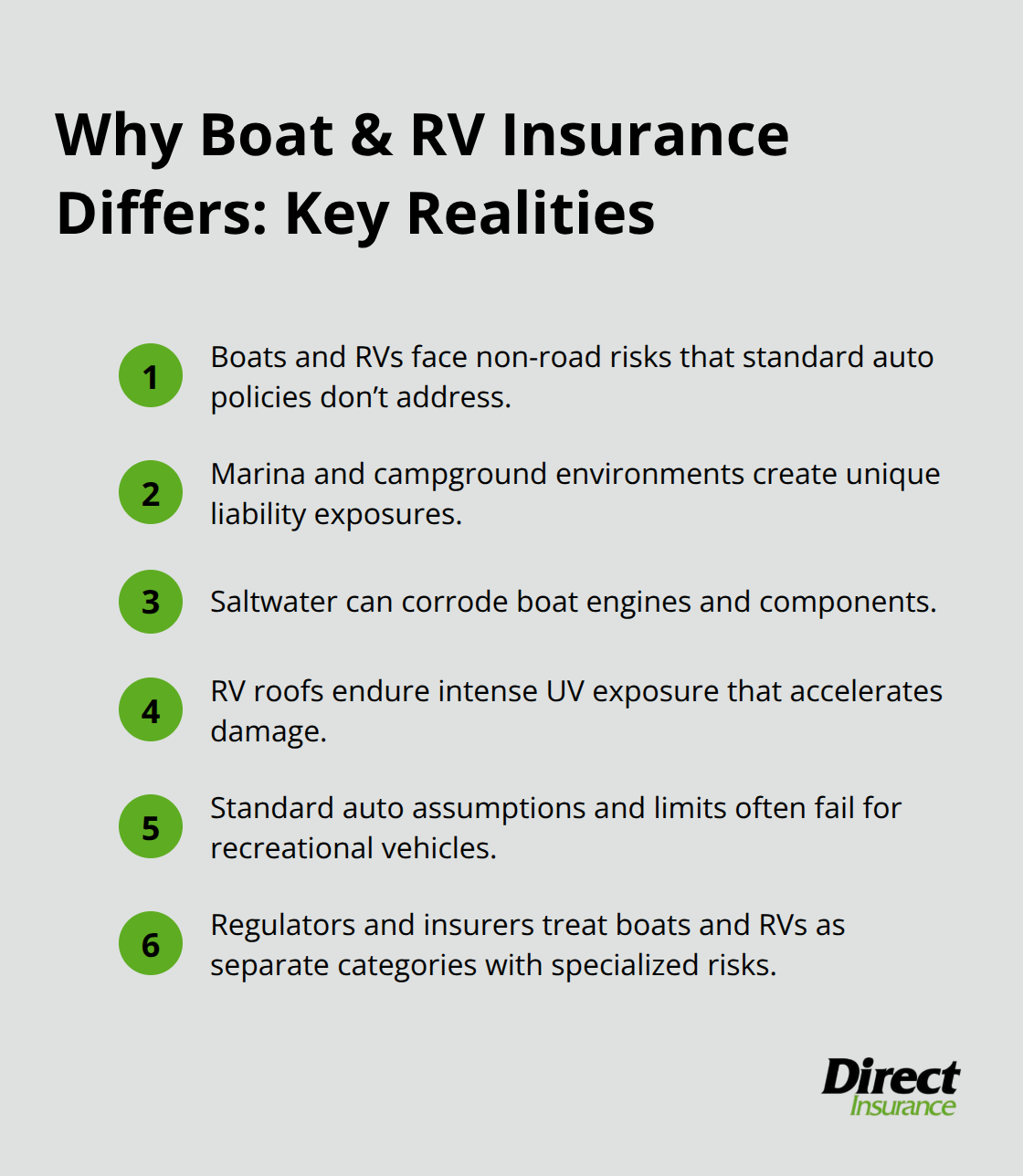
A dog bite incident can turn stressful quickly, especially when you’re unsure about your coverage. At Direct Insurance Services, we know that homeowners often have questions about whether their insurance will actually pay for a home insurance dog bite claim.

This guide walks you through what your policy covers, how to file a claim properly, and what to expect during the process.

Understanding Dog Bite Coverage Under Homeowners Insurance

Your homeowners insurance likely covers dog bite liability, but the specifics matter more than you think. Most standard homeowners policies include personal liability coverage that pays for injuries your dog causes to someone else, including medical bills, legal fees, and damages. Your policy typically covers incidents both on and off your property, which means you’re protected whether someone is bitten in your backyard or at a park down the street. However, coverage isn’t automatic or unlimited.

Diagram showing key components of dog bite coverage in a U.S. homeowners insurance policy

Most homeowners policies come with liability limits ranging from $100,000 to $300,000. If a claim exceeds your limit, you pay the difference out of pocket.

Your Policy Limits and What Happens When Claims Exceed Them

The liability limit on your homeowners policy is the maximum your insurer will pay for a dog bite claim. If the injured person’s medical costs, lost wages, and pain and suffering damages total $150,000 but your limit is only $100,000, your insurer pays $100,000 and you’re responsible for the remaining $50,000. This gap can be significant, especially with serious bites that require multiple surgeries or cause permanent scarring. Some insurers offer umbrella or excess liability coverage that activates when your homeowners policy limit is exhausted, providing an extra layer of protection at a relatively low cost. Many homeowners carry insufficient coverage for their actual risk exposure.

Breed Restrictions and Exclusions You Need to Know

Some insurers exclude certain breeds entirely from coverage or require additional riders and restrictions to maintain it. The Insurance Information Institute notes that some insurers maintain breed-specific ban lists while others evaluate each dog individually based on behavior and history. Pennsylvania and Michigan actually prohibit insurers from canceling or denying coverage based solely on breed, reflecting a shift toward individual risk assessment. What matters most to insurers isn’t necessarily the breed itself but whether your dog has a bite history. A dog with prior bites becomes significantly harder to insure, often resulting in higher premiums, required safety measures like muzzles or secure fencing, or outright exclusions from your policy. The best approach is to contact your insurer directly and disclose your dog’s breed and any history upfront. Hiding information or hoping they don’t ask creates a real risk that coverage could be denied when you need it most.

What You Should Do Right Now

Contact your insurance agent and ask three specific questions: What is your exact liability limit for dog bite claims? Does your policy exclude any dog breeds? What documentation do you need if a bite incident occurs? Your agent can review your current coverage, identify any gaps, and discuss whether you need additional protection through umbrella policies or breed-specific riders. This conversation takes minutes but prevents costly surprises later. Once you understand your coverage, you’ll be prepared to act quickly if an incident happens-and you’ll know exactly what steps to take next.

What to Do Right After a Dog Bite Happens

The first few minutes after a dog bite incident determine how smoothly your claim will proceed. Your immediate priority is securing the dog and ensuring the injured person receives medical attention, but what happens next directly affects your insurance outcome. Avoid apologizing or admitting fault at the scene, as insurers can interpret these statements as admissions of liability that complicate claim handling. Instead, stay calm and focus on gathering specific information.

Gather Information at the Scene

Collect the injured person’s full name, phone number, and address. Ask about their injuries and whether they’re seeking medical care. Obtain names and contact details from anyone who witnessed the bite. Photograph the location where the bite occurred and any visible injuries if the person consents. Note the date, time, and circumstances of the incident. Write down everything you remember while details are fresh, including what your dog was doing before the bite, whether the dog was leashed, and whether the injured person provoked the dog in any way.

Checklist of steps to take immediately after a dog bite to support your home insurance claim - home insurance dog bite

According to the Insurance Information Institute, thorough documentation at this stage strengthens your claim significantly.

Report to Your Insurer Immediately

Contact your insurance agent or company within 24 hours, not days or weeks. Delays in reporting can actually jeopardize coverage, and insurers need to begin their investigation quickly while evidence and witness memories are reliable. When you call, have your policy number ready and provide a clear, factual account of what happened without speculation or emotion. Your insurer will ask detailed questions about the dog’s age, breed, vaccination status, and whether it has any prior bite history, so answer honestly.

Secure Medical Records and Evidence

If the injured person received medical treatment, confirm you have their medical records and bills, as documented injuries are critical evidence that strengthens settlement value. Medical records serve as the primary proof of a bite and help determine your claim’s strength and appropriate settlement amount. Gather these documents as soon as possible and provide them to your insurer.

Let Your Insurer Handle Communications

Don’t sign anything or make financial offers to the injured party without consulting your insurer first, as this could complicate the claims process. Your home insurance company handles communication with the injured party’s attorney or medical providers, not you directly. This separation protects you legally and ensures all statements are documented properly for your defense. Your role is to provide accurate information to your insurer and cooperate fully with their investigation.

Once you’ve taken these immediate steps and your insurer begins investigating, the process moves into the formal claim filing stage. Understanding what information your insurer needs and how to work effectively with your agent during this phase will help you navigate the next critical steps.

Managing Your Claim Through Settlement

How Your Insurer Investigates the Incident

Your insurer’s investigation moves quickly once you report the incident. Within days, an adjuster will contact you with specific questions about the dog, the injured party, and the exact circumstances of the bite. Answer every question truthfully and completely. The insurance claim investigation process includes reviewing medical records to confirm puncture wounds, which serve as the strongest evidence of an actual bite. Without documented puncture wounds, claim value drops significantly because the injury severity becomes harder to prove.

Your insurer will also request statements from any witnesses you identified at the scene, photographs of the incident location, and your dog’s vaccination records. Provide everything requested promptly. Delays frustrate your adjuster and slow the process, while cooperation signals you have nothing to hide. Your insurer will simultaneously contact the injured party’s medical providers to obtain treatment records and bills. These documents become the foundation for settlement negotiations because they show exactly what the injury cost to treat.

Settlement Offers and Negotiation Timelines

Settlement negotiations typically begin within two to four weeks if the claim is straightforward. According to Triple-I data, the average dog bite claim in 2024 cost insurers $69,272, but this figure varies dramatically based on injury severity and your state. New York claims averaged $110,488 while Pennsylvania averaged $88,668, so geographic location matters significantly for settlement expectations.

Three key benchmarks for dog bite claim timelines and average settlement costs in the U.S. - home insurance dog bite

Your insurer will make an initial settlement offer based on medical costs, lost wages documented in the injured party’s records, and pain and suffering damages appropriate to the injury type.

Most claims settle out of court because litigation costs both sides money and time. If the injured party’s attorney demands more than your policy limit allows, your insurer may recommend accepting the demand or proceeding to trial. This is where your decision matters. Accepting a settlement within your limit protects you from personal liability for amounts above it. Rejecting it and proceeding to trial risks a jury verdict exceeding your limit, leaving you responsible for the excess.

Evaluating Your Case Strength

Work closely with your insurer’s defense attorney to understand the strength of your case. If your dog has no prior bite history and evidence suggests the injured party provoked the dog, your position strengthens considerably. If your dog has bitten before, settlement becomes more attractive because a jury will likely view your dog as a known hazard. The presence or absence of prior incidents fundamentally shapes how a jury perceives your liability and influences settlement value.

What Happens After Settlement

Once settlement is reached, the injured party signs a release preventing future claims related to that incident, and your insurer issues payment. Your claim file closes, though your insurer may impose restrictions on your coverage going forward, such as requiring a muzzle in public or secure fencing, to continue coverage for your dog. These restrictions reflect the insurer’s assessment of ongoing risk and your willingness to implement safety measures that reduce the likelihood of another incident.

Final Thoughts

Dog bite claims are expensive and stressful, but understanding your coverage and acting quickly makes the process manageable. Know your policy limits before an incident happens, disclose your dog’s breed and history to your insurer, and report any bite immediately. Most homeowners policies cover dog bite liability, but gaps exist if your limits are too low or your breed faces exclusion.

Prevent future incidents through responsible dog ownership. Train your dog early and consistently, socialize it in varied environments, and supervise interactions with children and visitors. Keep your dog leashed in public, maintain secure fencing at home, and watch for stress signals that indicate your dog feels threatened or uncomfortable.

Contact your insurance agent and ask about your current liability limits, breed exclusions, and whether umbrella coverage makes sense for your situation. If you need to adjust your home insurance dog bite coverage or identify gaps in your policy, Direct Insurance Services can review your homeowners insurance with top-rated carriers to find coverage that fits your needs and budget. Reach out today to ensure you’re covered.

Disclaimer: The information provided in this blog is for general informational purposes only and does not constitute legal, financial, or insurance advice. Coverage options, terms, and availability may vary. Please consult with a licensed professional for advice specific to your situation
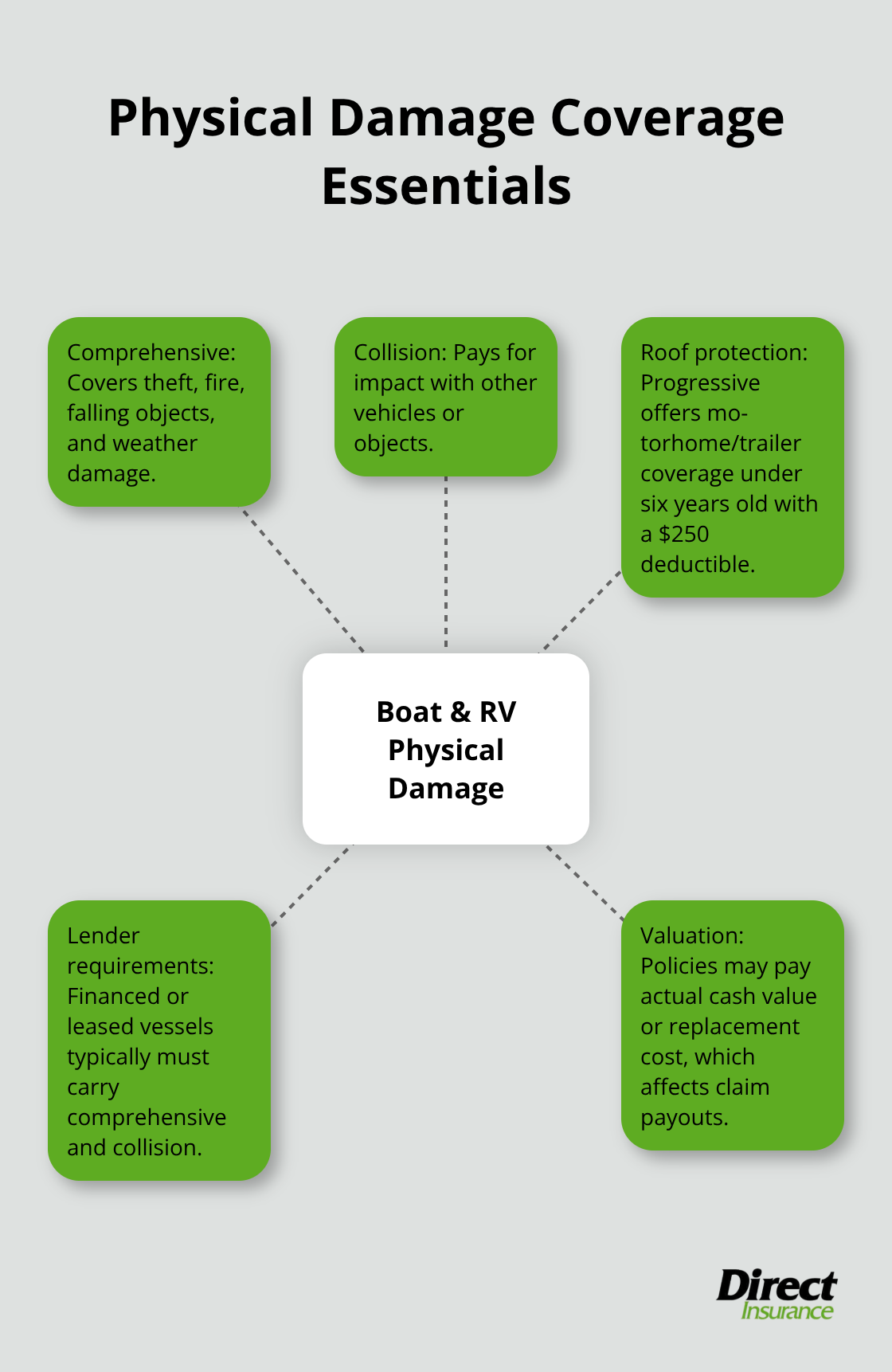
Your home contents insurance protects the belongings inside your home from theft, damage, and disasters. Without it, you’d face significant financial loss if something happened to your furniture, electronics, or other personal items.

At Direct Insurance Services, we help homeowners find coverage that matches their actual needs and budget. This guide walks you through assessing your belongings, comparing policies, and securing the best rates.

What Home Contents Insurance Actually Covers

Home contents insurance protects the personal belongings inside your home from theft, fire, windstorms, and other covered perils. This includes furniture, electronics, clothing, kitchen appliances, and nearly everything else you own. The coverage applies to items permanently installed in your home as well as portable possessions. Most policies cover belongings both inside your home and away from it, though away-from-home coverage typically has limits. If your laptop gets stolen while traveling, contents insurance can help pay for its replacement. The actual scope depends on your policy wording, so reading what’s included and excluded matters before you buy.

Why Replacement Cost Outperforms Actual Cash Value

The Insurance Information Institute emphasizes that replacement cost coverage significantly outperforms actual cash value coverage when you file a claim. Replacement cost pays what it costs to replace an item at today’s prices, while actual cash value subtracts depreciation from the payout. A five-year-old television worth $800 new might only receive $300 under actual cash value after depreciation, but replacement cost would cover a new TV at current market price. This difference becomes enormous when you add up dozens or hundreds of items. Insisting on replacement cost coverage for major items like furniture and electronics prevents this financial gap.

Visual comparison showing why replacement cost coverage outperforms actual cash value for home contents claims. - home contents insurance

High-Value Items Need Separate Protection

High-value items like jewelry, art, and watches often require separate scheduling and professional valuations to protect them fully. Standard policies cap coverage on valuables, which means your expensive watch or diamond ring may not receive full replacement cost protection under the main policy. A separate rider or scheduled endorsement covers these items at their full replacement value without depreciation. Professional appraisals establish the actual value of your possessions and support your claim if loss occurs. This extra step takes time upfront but saves thousands of dollars when you need to replace something irreplaceable.

Security Features Lower Your Premium Significantly

Homes with monitored security systems, burglar alarms, and deadbolt locks qualify for meaningful premium discounts with most carriers. The Association of British Insurers reports that security features can reduce your annual premium by several percentage points. A home with a professionally monitored alarm system might pay $50 to $150 less per year than an identical home without one. Safes for valuables and upgraded door locks also trigger discounts. These improvements protect your belongings while directly lowering what you pay for coverage. Installing a new alarm system costs $500 to $2,000 upfront but pays for itself through premium savings over three to five years.

Next Steps: Assessing Your Actual Coverage Needs

Now that you understand what contents insurance covers and how replacement cost works, the next step involves calculating the total value of your belongings and comparing what different policies offer. This assessment determines whether you have adequate coverage limits and identifies which additional options make sense for your situation.

What Your Belongings Are Actually Worth

Start by creating a detailed home contents inventory with replacement costs for each item or category. This isn’t theoretical-you need actual numbers. Walk through your home room by room and estimate what it would cost to replace each possession at today’s prices, not what you paid years ago. Furniture, electronics, clothing, kitchen appliances, artwork, and collectibles all add up quickly. Most homeowners underestimate their total by 20 to 40 percent because they forget items stored in closets, basements, and attics. A modest home typically contains $30,000 to $50,000 worth of belongings, while homes with more furniture, electronics, or valuables can easily exceed $75,000.

Calculate Your Total and Match It to Your Coverage Limit

Once you have this total, you’ll know what coverage limit you actually need. Many policies set contents limits as a percentage of your dwelling coverage, often around 70 percent, but this standard doesn’t match every home. If your calculated total is $45,000, you need a contents limit of at least $45,000, not whatever default your policy offers. Use receipts, online pricing tools, and professional valuations for high-value items to make your numbers solid. Take photos of major possessions and store them in cloud storage so you have proof if you ever need to file a claim.

Deductibles Create Real Trade-offs Between Premium and Out-of-Pocket Cost

Your deductible is the amount you pay out of pocket when you file a claim, and it directly affects your premium. A $500 deductible costs less annually than a $250 deductible, but you’ll pay $500 if you claim something. A $1,000 deductible can save you 15 to 25 percent on your annual premium compared to a $250 option. The math works only if you can actually afford that deductible when a loss happens. If a fire damages your home and you have a $1,000 deductible, you need to have that money available immediately.

Chart showing potential premium savings range when opting for a $1,000 deductible. - home contents insurance

Choose a deductible you can genuinely pay without financial strain. Avoid the trap of picking the highest deductible just to lower your premium if it means you couldn’t cover a real loss. Many homeowners benefit from a $500 or $750 deductible-low enough to manage but high enough to reduce what you pay annually.

High-Value Items Demand Individual Attention and Professional Assessment

Standard contents policies cap coverage on specific categories of valuables. Jewelry typically has a $2,500 limit, watches might be $5,000, and collectibles often face similar restrictions. If you own a diamond ring worth $8,000 or a collection of vintage watches, that standard limit leaves you vastly underinsured. A scheduled endorsement or separate rider for valuables removes these caps and covers items at their full appraised value. This requires obtaining professional appraisals from qualified gemologists or specialists, which costs $200 to $500 per item but becomes essential documentation if you ever claim. Professional appraisals also give you credibility with your insurer when you file a claim-they’ve verified the value independently. Update these appraisals every three to five years because values change.

Accidental Damage Coverage Protects Against Everyday Mishaps

Accidental damage coverage is another option worth evaluating separately. Standard policies exclude damage from spills, drops, or accidents, but accidental damage riders cover these mishaps. If you have expensive electronics or artwork, accidental damage protection prevents a costly accident from becoming a total loss. This rider adds to your premium but protects items that face real risk in daily life. The cost-benefit analysis depends on what you own and how you use it-a household with young children or pets faces higher accident risk than a careful, adult-only home.

Understanding what your belongings are worth and selecting appropriate coverage limits sets the foundation for adequate protection. The next step involves comparing actual policies and identifying which carriers offer the best combination of coverage, price, and service for your specific situation.

Lower Your Premium Without Sacrificing Coverage

Bundle Policies to Cut Your Total Cost

Bundling your home contents insurance with auto coverage delivers the most straightforward savings available. Bundling homeowners with auto insurance is one of the most common discounts available. If you currently carry auto insurance with one company and home coverage elsewhere, consolidating both policies with a single insurer immediately cuts your total premium. Many carriers offer 10 to 15 percent off each policy when you bundle, which compounds into real money across multiple years. The math is simple: if your bundled annual premium would be $1,800 instead of $2,200 without the discount, you save $400 per year or $2,000 over five years. Start with bundled quotes from your current auto insurer, then compare those quotes against standalone home contents policies from other carriers to confirm you’re actually getting the best rate.

Install Security Features That Lower Premiums

Home security improvements directly lower your premium while protecting your belongings simultaneously. The Association of British Insurers confirms that security features including monitored alarm systems, burglar alarms, and deadbolt locks qualify for meaningful reductions. A professionally monitored security system typically reduces your annual premium by $50 to $150 depending on your carrier and location. A new impact-resistant roof, which takes security further by protecting against weather damage, can save up to 35 percent in some states according to the Insurance Information Institute. Other improvements that trigger discounts include leak detection systems, upgraded door locks, and safes for valuables, each typically saving 2 to 6 percent on your annual premium. These improvements pay for themselves through premium savings within three to five years while simultaneously reducing your actual risk of loss.

Chart highlighting premium reduction percentages from common home security and mitigation upgrades.

After you implement security upgrades, contact your insurer to confirm they’ve applied the corresponding discounts to your policy.

Compare Quotes Annually to Avoid Overpaying

Annual policy reviews matter because your coverage needs and available discounts change over time. Consumer Reports data shows that 20 percent of homeowners switched insurers in the last five years, with 44 percent doing so specifically because of premium increases. Rather than accepting annual rate hikes, spend 30 minutes each year comparing quotes from three to five carriers using platforms like The Zebra, which processes over 74 million quotes and shows real insurer quotes without markups or additional fees. You can obtain personalized quotes in approximately 5 minutes after answering basic questions about your home and belongings. Shopping annually prevents loyalty from costing you money since carriers rarely reward long-term customers with competitive rates. When comparing options, look for proven strategies to lower your premiums that apply across both auto and home coverage, since many discount principles overlap between policy types.

Final Thoughts

Choosing the right home contents insurance means matching your coverage to what you actually own, not settling for whatever default limit your policy offers. You’ve calculated your belongings’ replacement cost, understood the difference between actual cash value and replacement cost coverage, and identified which additional protections matter for your situation. The work you’ve done to inventory your possessions and assess your needs directly translates into adequate protection when you need it most.

The balance between cost and coverage requires honest evaluation of your deductible tolerance and which add-ons genuinely protect your lifestyle. A $500 deductible paired with replacement cost coverage on major items and a separate rider for valuables costs more than bare-minimum coverage, but it prevents the financial devastation that comes from underinsurance. One spilled drink on expensive electronics could cost thousands, so skipping accidental damage coverage to save $100 annually often backfires.

At Direct Insurance Services, our team helps Utah families and individuals navigate these decisions by comparing options from top-rated carriers and explaining what each home contents insurance policy actually covers. We handle the complexity so you can focus on selecting coverage that fits your needs and budget. Contact us today to review your current coverage or get quotes on new protection that safeguards what matters most to you.

Disclaimer: The information provided in this blog is for general informational purposes only and does not constitute legal, financial, or insurance advice. Coverage options, terms, and availability may vary. Please consult with a licensed professional for advice specific to your situation
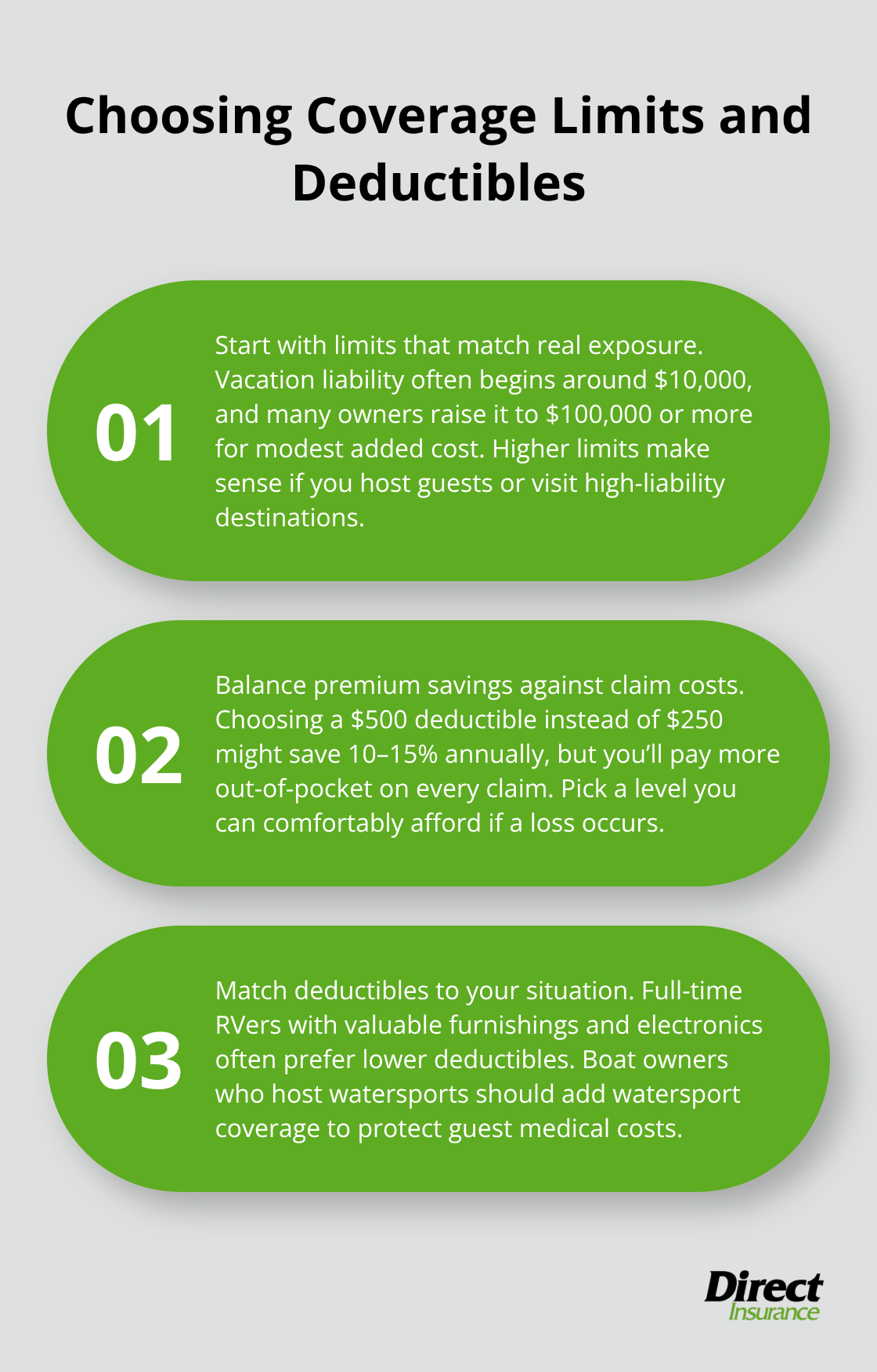
Most homeowners don’t fully understand what their policy actually covers. The gap between what you think you’re protected for and what you’re actually protected for can be expensive.

We at Direct Insurance Services see this confusion firsthand. That’s why we’ve broken down the main types of home insurance coverage so you can make informed decisions about your protection.

What Your Dwelling Coverage Actually Protects

Your dwelling coverage forms the backbone of your homeowners insurance, and it’s where most policies diverge in what they actually pay out. Dwelling coverage protects the structure of your home-the walls, roof, foundation, built-in appliances, and attached structures like garages or decks. When you have an HO-3 policy (the most common form for single-family homes), your dwelling receives coverage on an open-peril basis. This means nearly everything receives protection except for the exclusions listed in your policy, such as floods, earthquakes, and wear-and-tear. The Insurance Information Institute reports that home replacement costs surged roughly 55 percent between 2019 and 2022, then climbed another 2.5 percent in 2023. This matters because your coverage limit must reflect what it actually costs to rebuild today, not what you paid for the house five years ago. If your limit sits at $300,000 but your home would cost $400,000 to rebuild, you’re underinsured and will absorb the difference out of pocket after a total loss.

Coverage Limits That Match Reality

Your dwelling limit should reflect replacement cost-what it would take to rebuild from the ground up with materials and labor at current prices. Many homeowners make the mistake of using their purchase price as a baseline, which almost guarantees underinsurance given how fast construction costs have climbed. The right approach involves working with your agent to calculate a replacement-cost assessment that accounts for your home’s square footage, construction type, local building codes, and current material and labor rates in your area. This assessment should happen at least every few years, especially if you’re in a market where costs are rising faster than the national average. Your mortgage lender may also require you to carry enough dwelling coverage to protect their investment, so check your loan documents.

Visual hub of core facts about U.S. dwelling coverage and why accurate limits matter - types of home insurance

Replacement Cost Versus Actual Cash Value

Here’s where policy language matters: replacement cost coverage pays what it costs to replace damaged items with new equivalents, while actual cash value subtracts depreciation. An HO-3 typically covers your dwelling at replacement cost but covers personal property at actual cash value unless you add an endorsement. This distinction can mean thousands of dollars in a claim. If your roof sustains damage in a hail storm and replacement cost coverage applies, the insurer pays for a brand-new roof. With actual cash value, they pay for a roof minus what they estimate it has depreciated-potentially leaving you short if your roof was already ten years old. The same principle applies to interior damage: replacement cost pays to restore your home to its pre-loss condition with new materials, while actual cash value accounts for the age and condition of what was damaged. For your dwelling structure, replacement cost is standard on most HO-3 policies, but always verify this with your agent because some carriers or older policies may differ.

Why Personal Property Coverage Requires Different Thinking

Your dwelling protection covers the structure itself, but what about everything inside? Personal property coverage operates under different rules and limits than your dwelling protection, which means you need to understand how these two coverages work together. Most HO-3 policies cover personal property at actual cash value rather than replacement cost, creating a significant gap in protection for your belongings. This is where the next layer of your policy becomes critical to understand.

Personal Property and Liability Coverage

Personal property coverage protects the items inside your home-furniture, electronics, clothing, kitchenware, and everything else you own. Unlike your dwelling protection, which covers the structure itself, personal property coverage has a ceiling that typically sits at 50 to 70 percent of your dwelling limit. If your dwelling limit is $400,000, your personal property coverage might max out at $200,000 to $280,000. This matters because many homeowners don’t realize this cap exists until they file a claim and discover they’re significantly underinsured for their belongings.

Compact list of key limits and options for U.S. personal property coverage

How Personal Property Coverage Actually Works

Most HO-3 policies cover personal property at actual cash value, meaning a five-year-old television worth $800 new will be paid out at maybe $300 after depreciation is factored in. The Insurance Information Institute notes that the average American home contains approximately $30,000 to $50,000 worth of personal belongings, yet most standard policies won’t cover items close to replacement cost. To close this gap, you can add a replacement-cost endorsement for personal property, which pays what it costs to replace items with new equivalents rather than accounting for age and wear. This endorsement typically costs 10 to 15 percent more but protects you from the depreciation trap that catches most homeowners off guard.

Understanding Your Liability Protection

Liability coverage is fundamentally different from property protection-it covers your legal responsibility if someone gets injured on your property or you accidentally damage someone else’s property. Your HO-3 typically includes $100,000 to $300,000 in personal liability coverage, which sounds substantial until you consider that a serious injury lawsuit can easily exceed $500,000 in damages. If a guest slips on your icy walkway and breaks their leg requiring surgery and ongoing care, their medical bills plus pain and suffering could quickly surpass your policy limit, leaving you personally liable for the difference.

Why Higher Liability Limits Make Financial Sense

Most homeowners carry insufficient liability protection relative to their actual risk exposure. Try carrying at least $300,000 in liability coverage, and those with significant assets should consider $500,000 or higher. The cost difference between a $300,000 and $500,000 liability limit is typically just $10 to $20 per year, making the upgrade a practical decision rather than an expensive one. Your policy also covers medical payments to others, which is a separate benefit that pays up to $1,000 or $5,000 (depending on your policy) toward minor injuries without requiring someone to prove you were negligent. This coverage is valuable because it can resolve small claims quickly without involving your liability coverage limit.

What Happens When Coverage Gaps Appear

The combination of personal property and liability coverage creates the foundation for protecting both your belongings and your finances, yet gaps often emerge when homeowners don’t assess their actual needs against their policy limits. Your next layer of protection-additional coverages and optional add-ons-fills many of these gaps and addresses the specific hazards that standard policies exclude.

Closing the Gaps Standard Policies Leave Behind

Water Damage: The Hidden Risk Most Homeowners Face

Water damage represents one of the largest sources of home insurance claims, yet most homeowners remain dangerously underprotected. Your standard HO-3 policy covers sudden water damage from burst pipes or failed appliances, but it explicitly excludes flooding from external sources, sewer backups, and groundwater seepage. The National Flood Insurance Program reports that just one inch of flooding in an average home costs approximately $25,000 in damages, and flood claims occur outside designated flood zones roughly 20 percent of the time. This means your zip code’s flood risk rating does not determine whether you need coverage.

Percentage of U.S. flood claims occurring outside designated flood zones - types of home insurance

If you carry a mortgage in any flood zone, your lender mandates flood insurance through the National Flood Insurance Program, administered by FEMA. However, even if your lender does not require it, the math favors protection: flood insurance through NFIP costs between $400 and $1,200 annually for most homeowners, while a single flood event can cost $25,000 to $100,000 out of pocket. Obtaining a flood insurance quote makes sense regardless of your perceived risk, since the premium difference between protected and unprotected often proves negligible compared to actual loss exposure.

Adding a sewer-backup endorsement to your standard policy typically costs $50 to $150 per year and covers damage from backed-up sewers or drains, a peril that catches many homeowners unprepared. This low-cost addition protects you from one of the most expensive and unpleasant water-related claims.

Earthquake Coverage: Protection in Seismically Active Regions

Earthquake coverage operates similarly to flood insurance: it remains excluded from standard policies and requires separate purchase. California, Washington, and other seismically active states see earthquake insurance premiums ranging from $100 to $500 annually depending on your home’s age and construction, yet most homeowners skip this coverage based on perceived low risk. When earthquakes strike, the damage often exceeds $100,000 per home, making the annual premium investment modest relative to exposure.

Your agent can help you assess whether earthquake coverage makes financial sense for your location and property value. The cost-to-benefit ratio typically favors protection in high-risk areas, particularly if your home sits on older construction or unstable soil.

Protecting High-Value Items Through Scheduled Coverage

Valuable items like jewelry, art, collectibles, and high-end electronics face sub-limits under standard personal property coverage, typically capped at $1,500 to $2,500 total for jewelry and $2,500 to $5,000 for fine arts. If you own items exceeding these limits, scheduled personal property endorsements allow you to list specific pieces and insure them at replacement cost without depreciation.

A diamond ring appraised at $8,000 or a painting valued at $12,000 requires this scheduled coverage to receive full protection. The process involves obtaining appraisals from certified professionals, then adding each item to your policy with its documented value. This costs roughly $25 to $50 per item annually but eliminates the depreciation problem that plagues standard personal property coverage. Your agent can walk you through which items warrant scheduled coverage based on your inventory and values.

Final Thoughts

Understanding the different types of home insurance coverage protects you from financial disaster when loss strikes. Your dwelling coverage protects your structure, personal property coverage protects your belongings, and liability coverage protects your finances when someone gets injured on your property. Standard policies leave gaps-floods, earthquakes, and high-value items require additional protection through separate policies or endorsements.

The real work starts when you assess your actual needs against your current coverage. Review your dwelling limit to confirm it reflects today’s rebuilding costs, not your purchase price from years ago, and check whether your personal property coverage sits at actual cash value or replacement cost. Look at your liability limits and ask yourself whether $100,000 or $300,000 truly protects your assets if someone sues you, then evaluate your specific risks like flood zones, earthquake exposure, or jewelry and art that exceeds your policy’s sub-limits.

This assessment works best with professional guidance. At Direct Insurance Services, we help Utah homeowners navigate these decisions by reviewing their actual needs and matching them to coverage that fits both their protection goals and budget. Contact us for a policy review that identifies gaps and explores solutions tailored to your situation.

Disclaimer: The information provided in this blog is for general informational purposes only and does not constitute legal, financial, or insurance advice. Coverage options, terms, and availability may vary. Please consult with a licensed professional for advice specific to your situation