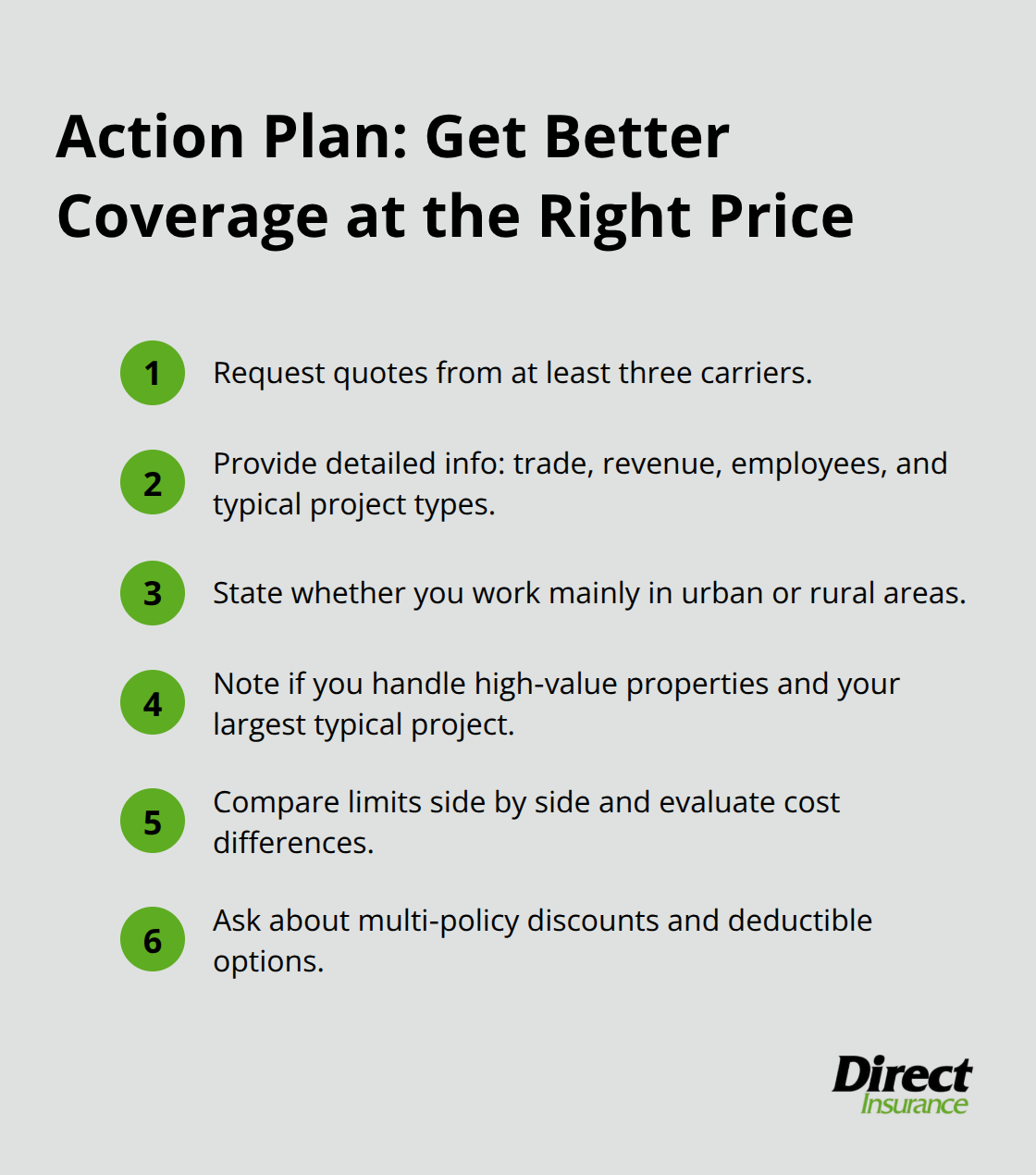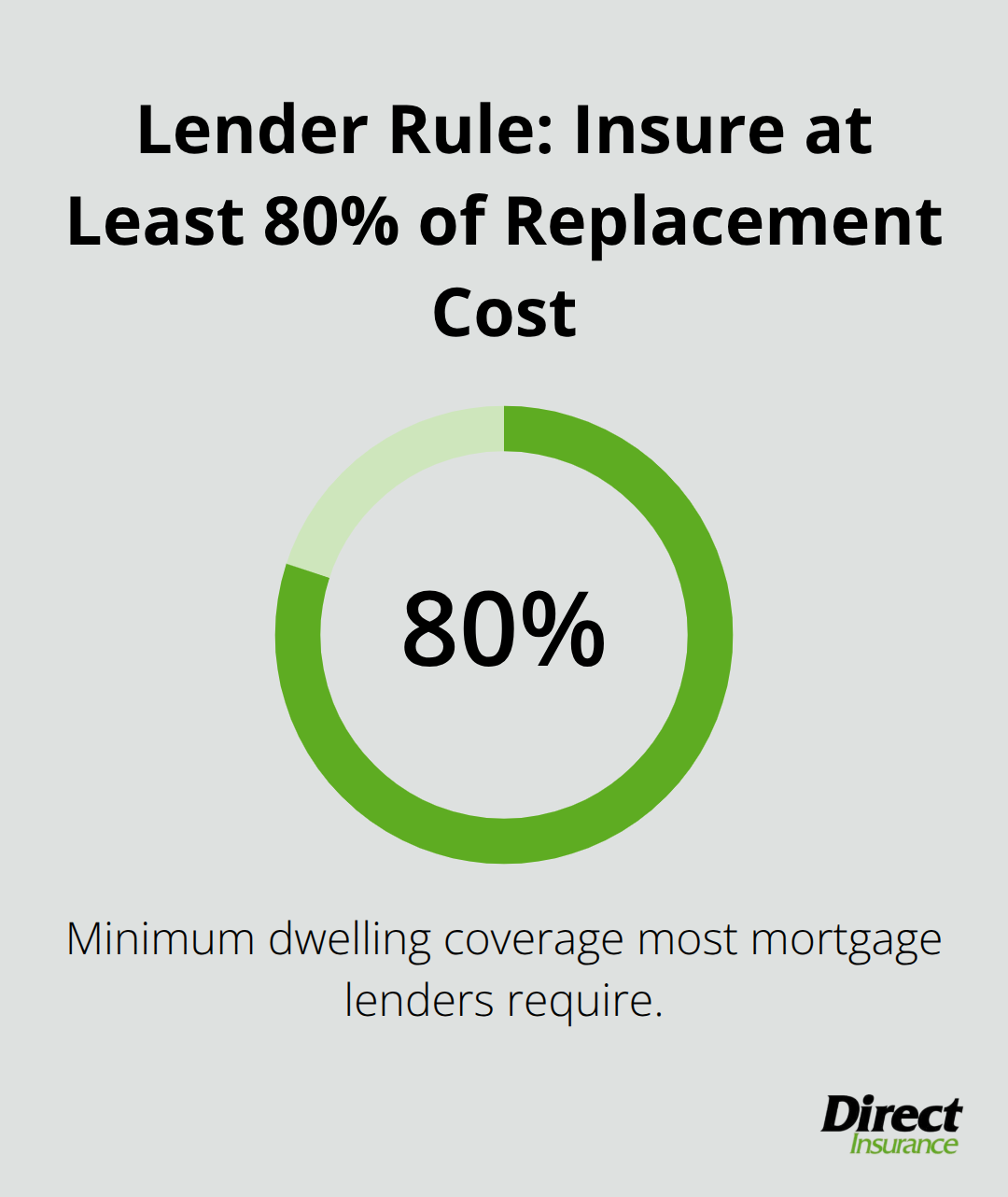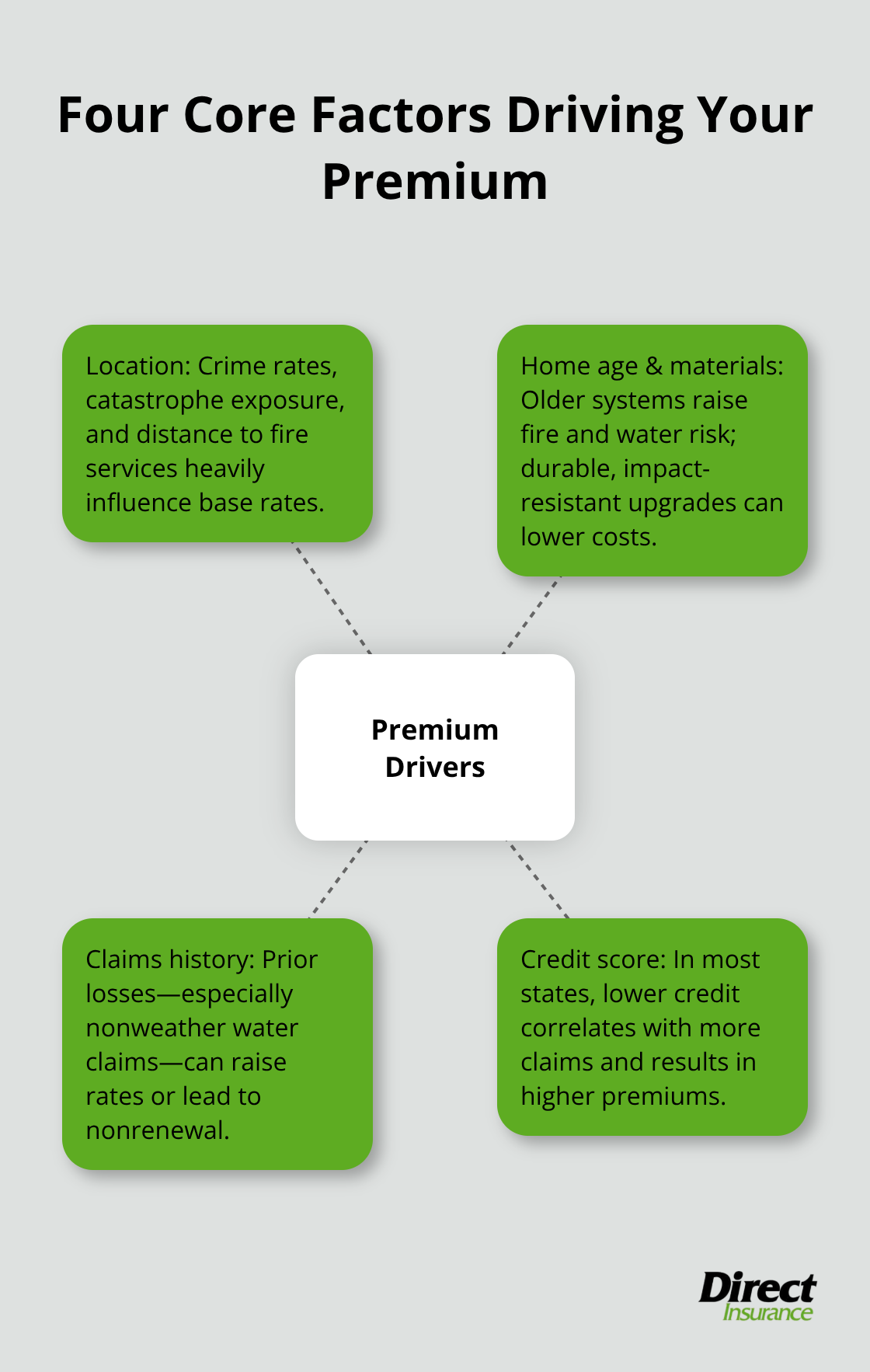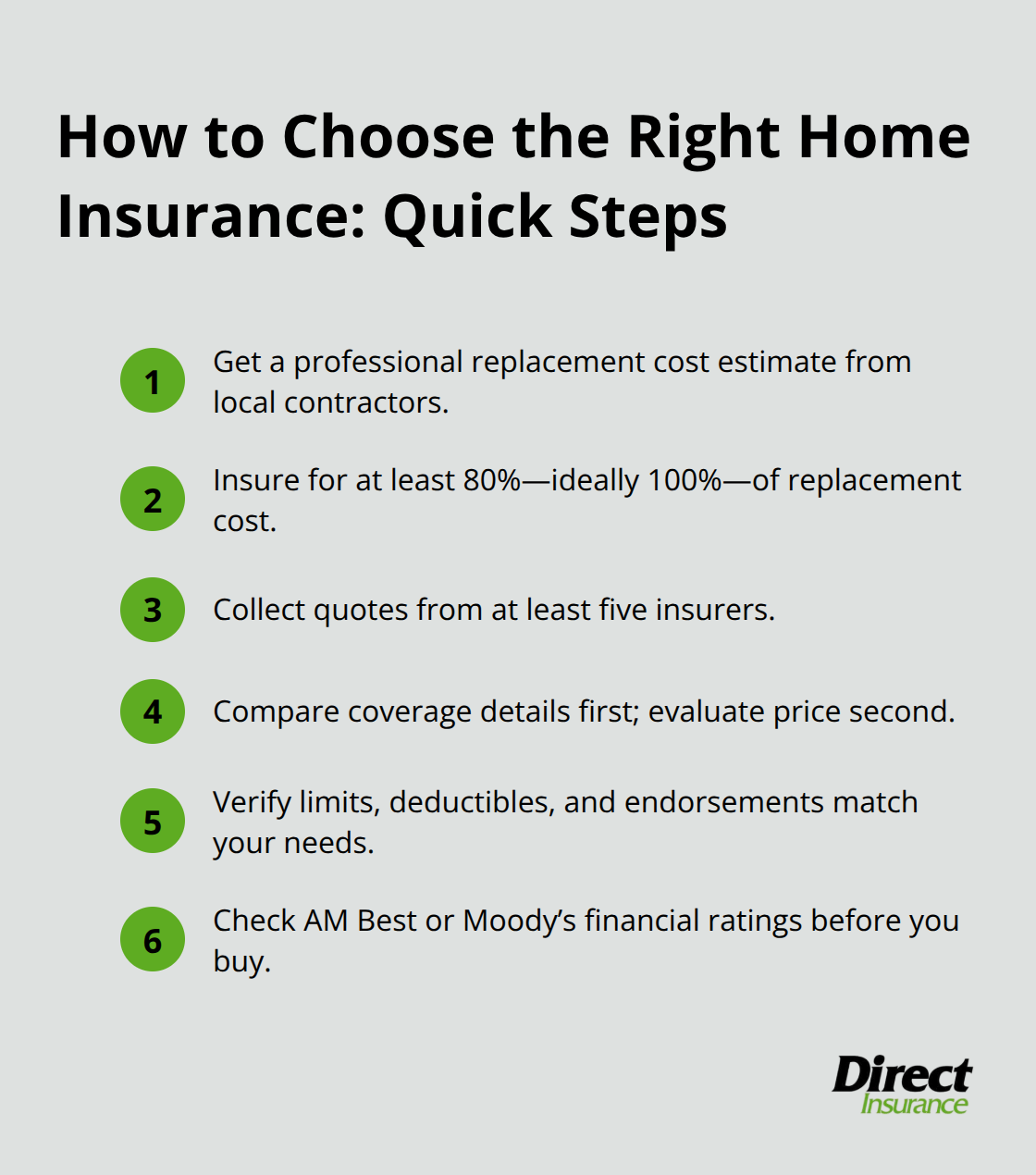
Your home insurance rate depends on dozens of factors-some you control, others you don’t. Understanding what goes into the calculation helps you spot savings opportunities and avoid overpaying.

At Direct Insurance Services, we’ve helped thousands of homeowners calculate their home insurance rates and find better deals. This guide walks you through exactly how insurers price your coverage and what you can do about it.

What Actually Drives Your Home Insurance Rate

Location Sets Your Premium Foundation

Your postal code matters more than you think. Insurance Bureau of Canada data shows that location ranks among the top three factors determining your premium, and the differences are dramatic. If you live in an area with frequent severe weather, higher crime rates, or poor fire protection, you’ll pay significantly more than someone in a low-risk neighborhood. Proximity to a fire station or hydrant lowers your premium because faster response reduces the risk of total loss. In 2024, Canada experienced severe weather-related insured losses surpassing $8 billion, setting a record that insurers are now pricing into premiums across affected regions.

Home Age and Construction Type Impact Your Rate

A house built in 1955 or 1984 typically costs around 2,110 dollars annually to insure, while a newer 2024 build averages about 1,220 dollars-that’s a 42 percent difference for the same coverage. Older homes carry higher risk because aging electrical systems, plumbing, and roofing increase the likelihood of claims. If your roof is over 20 years old, many insurers will either charge you more or require an inspection before covering you. Wood-frame houses cost more to insure than brick or stone construction because they burn faster. A home’s square footage also affects your rate-larger homes mean higher replacement costs, so a 3,000-square-foot house will cost more to insure than a 2,000-square-foot one.

Your Claims History and Credit Score Hit Hard

One previous claim raises your premium by roughly 9 percent compared to a clean record. Two claims within five years can push your rate up 20 to 30 percent. Insurers view you as higher risk if you’ve filed claims, even for events outside your control like weather damage. Some companies will drop you after three claims in five years, leaving you scrambling for coverage. Your credit score influences pricing in most provinces and states, though some jurisdictions prohibit it. A homeowner with good credit pays around 2,110 dollars annually, while someone with poor credit pays roughly 3,620 dollars for identical coverage-that’s a 72 percent difference. If your insurer uses credit scoring and your rate seems high, request an explanation and check your credit report for errors with Equifax or TransUnion. Correcting inaccuracies can lower your premium.

Three percentage-based factors that significantly affect home insurance premiums - calculate home insurance rate

Home Improvements Lower What You Pay

The age and type of upgrades you’ve made matter significantly. A new roof, updated electrical panel, or modern plumbing system reduces your rate because these improvements lower claim risk. If you’ve installed centrally monitored fire, water, or burglar alarms, you qualify for additional discounts that can cut 5 to 15 percent off your premium. These tangible improvements signal to insurers that you take property maintenance seriously, and they reward that commitment with lower rates. Understanding these specific factors helps you identify which ones you can control and which ones shape your baseline rate.

How Insurers Price Your Coverage

Replacement Cost Sets Your Dwelling Coverage

Insurers don’t pull premium numbers from thin air-they calculate them using three concrete steps that directly impact what you pay. First, they assess your home’s replacement cost, which differs fundamentally from what you paid for it or what it would sell for today. A house purchased for $256,000 might cost $180,000 to rebuild due to land value, or it could cost $320,000 if materials and labor are expensive in your region. This is why two homes on the same street can have wildly different dwelling coverage amounts and premiums.

If your agent quotes $297,000 in dwelling coverage for a home you bought at $256,000, that’s not necessarily inflated-it reflects actual rebuild costs in your area. The replacement cost approach protects you from underinsurance, which leaves you vulnerable if a total loss occurs. Inflation and supply chain disruptions continue to push rebuild costs higher, so your coverage amount should reflect current conditions rather than your original purchase price.

Risk Evaluation Examines Your Specific Hazards

The second step involves risk evaluation. Insurers analyze your specific hazards and exposure by examining local fire protection ratings, crime statistics, weather patterns, and your property’s individual vulnerabilities. A home near a fire station qualifies for better rates than one ten miles away because response time directly affects loss severity. Your personal risk factors matter too: a trampoline, pool, or aggressive dog breed can increase your liability exposure and raise premiums by 10 to 25 percent depending on the carrier.

These hazard assessments happen at both the neighborhood and property level. Insurers pull data on local claim history, natural disaster frequency, and infrastructure quality to establish baseline risk. Then they layer in your home’s specific features-roof condition, security systems, and maintenance history-to calculate your individual premium.

Comparison Shopping Reveals Substantial Savings

The third step is comparison shopping, which most homeowners skip entirely-and that’s a costly mistake. Premium variation between carriers for identical coverage is substantial. For a standard policy with $300,000 dwelling coverage and a $1,000 deductible, national averages show Travelers at $2,055 annually while Farmers charges $2,600 for the same protection. USAA members pay roughly $1,790, and American Family averages $2,745. That’s a $955 difference between the cheapest and most expensive option, or 46 percent.

Ordered list comparing example annual premiums from four home insurance carriers

Location amplifies these differences dramatically. Houston averages $6,370 annually across major insurers, while San Jose averages $1,090 for comparable policies. Getting quotes from at least three carriers reveals where you stand and identifies which company values your specific risk profile most favorably. Many homeowners accept their first quote without realizing they could save hundreds annually by switching to a carrier that better matches their situation.

As an independent agency serving Utah, we work with multiple top-rated carriers to show you these differences side by side. This approach makes it simple to see which option truly fits your needs and budget without pressure toward any single company. The next section walks you through the specific actions that lower your rate, starting with the deductible choice that affects your premium most directly.

Cut Your Premium Without Cutting Coverage

Raise Your Deductible to Lower Annual Costs

Increasing your deductible from $1,000 to $2,500 cuts your average premium, making it the fastest way to lower your bill immediately. You agree to pay more out of pocket when a claim happens, so insurers reward that choice with lower annual costs. If you increase your deductible to $2,500, your premiums might drop to $2,250 a year-saving you $250 annually. The key is selecting a deductible you can actually afford to pay if disaster strikes. If you have $2,500 in emergency savings, a $2,500 deductible makes sense. If you don’t, stick with $1,000 or $1,500. Many homeowners jump to $2,500 or higher without considering whether they could cover it, which defeats the purpose of insurance. Try the math on what your emergency fund can handle, then select the deductible that maximizes savings without creating financial stress.

Bundle Policies and Claim Available Discounts

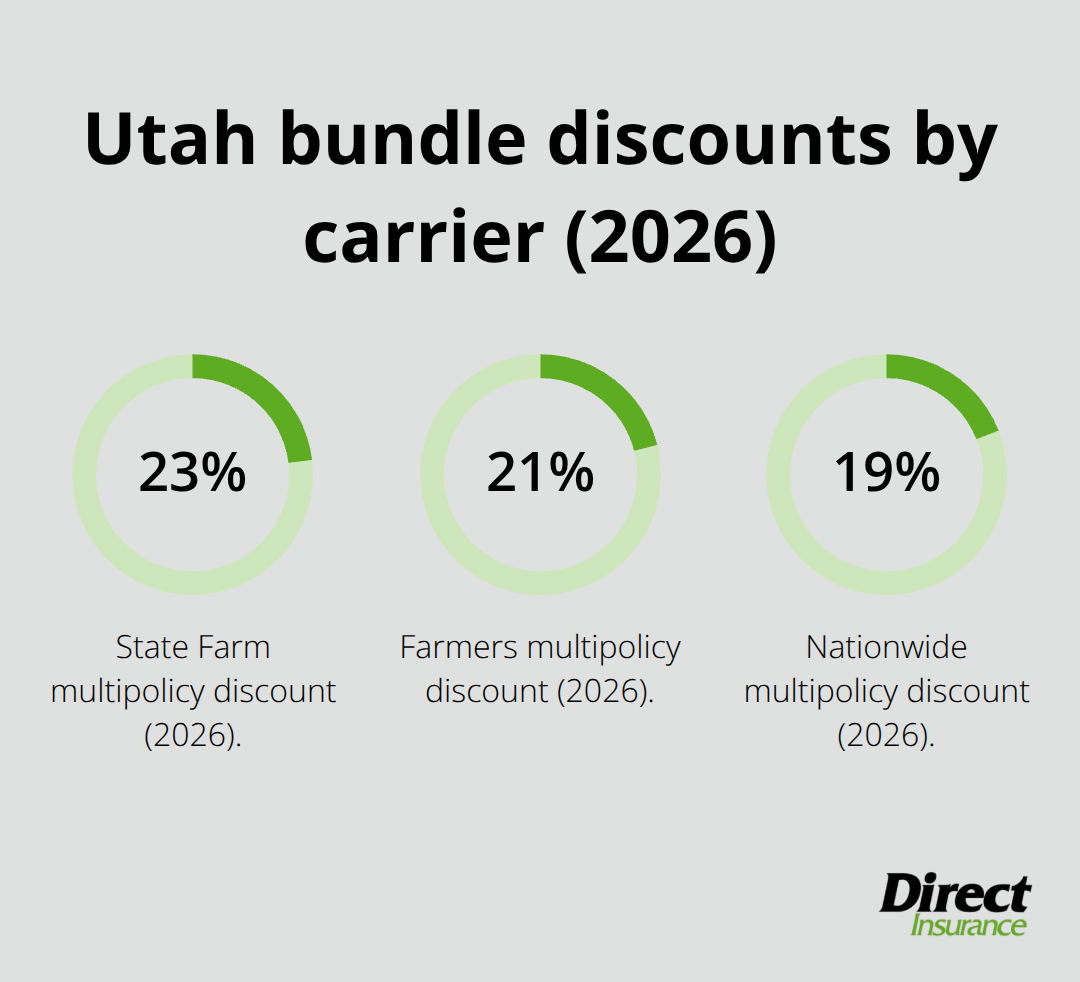
Combining your home and auto policies with the same insurer delivers a multi-policy discount that typically saves 5 to 10 percent on your total bill. If you pay $2,110 for home insurance and $1,500 for auto, bundling could save $175 to $360 annually across both policies. Ask your insurer about loss-prevention discounts beyond bundling.

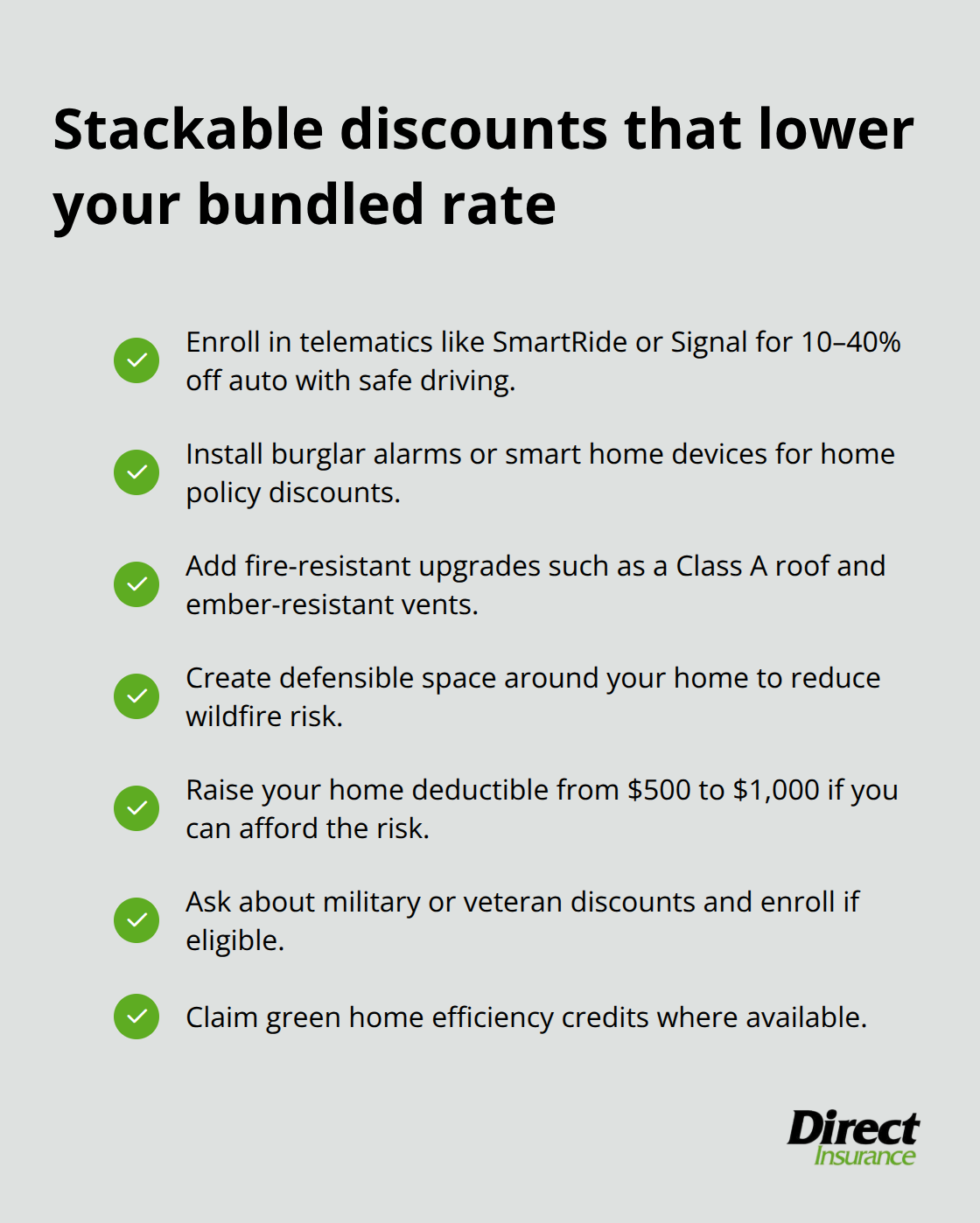
Checklist of actionable discounts and strategies to reduce home insurance costs - calculate home insurance rate

Centrally monitored fire, water, or burglar alarms cut your premium by 5 to 15 percent because they directly reduce claim severity. A new roof or updated electrical system can also qualify for discounts in some cases, though upgrading purely for a discount rarely pays back financially unless the improvement was needed anyway. Paying your annual premium upfront instead of monthly sometimes yields an additional 2 to 5 percent discount.

Invest in Home Improvements That Reduce Risk

Home improvements matter most when they address genuine risk rather than chasing discounts. A 30-year-old roof that’s failing costs more to insure than a 10-year-old roof, and replacing it brings your rate down while protecting your home. Maintenance consistency signals to insurers that you take property care seriously, which can help you stay in a lower rating tier at renewal. When you upgrade your roof, electrical system, or plumbing, you reduce the likelihood of claims, and insurers recognize that reduction through better rates. These tangible improvements demonstrate commitment to property safety, and carriers reward that commitment with lower premiums.

Final Thoughts

Your home insurance rate reflects dozens of interconnected factors, but the core drivers remain consistent: location risk, property characteristics, claims history, and the coverage limits you select. Location sets your baseline because fire protection, crime rates, and weather patterns directly influence claim frequency and loss severity. Home age and construction type determine replacement costs, which anchor your dwelling coverage amount and shape your premium tier.

When you calculate your home insurance rate yourself, focus on three concrete steps that reveal your actual costs. First, determine your actual replacement cost rather than relying on purchase price or market value. Second, assess your specific hazards honestly, including property features and maintenance condition, then get quotes from multiple carriers to see how different companies value your risk profile.

Taking action now pays dividends immediately and over time. Raising your deductible to a level you can afford cuts your annual premium without reducing protection when you need it most, while bundling home and auto policies saves 5 to 10 percent. At Direct Insurance Services, we help Utah homeowners navigate these decisions by comparing quotes from top-rated carriers side by side, removing pressure and revealing your best options.

Disclaimer: The information provided in this blog is for general informational purposes only and does not constitute legal, financial, or insurance advice. Coverage options, terms, and availability may vary. Please consult with a licensed professional for advice specific to your situation

Mobile home insurance protects your property and finances, but finding the right coverage isn’t simple. The best mobile home insurance companies offer different protection levels, pricing, and customer support options that can significantly impact your wallet and peace of mind.

At Direct Insurance Services, we’ve reviewed what matters most when selecting a policy. This guide walks you through coverage types, rate factors, and how to compare providers so you can make an informed decision.

Coverage Options and Types

Dwelling Coverage Protects Your Structure

Mobile home insurance uses the HO-7 policy form, which differs from standard homeowners coverage because it accounts for the unique construction and value of manufactured homes. Dwelling coverage protects the structure itself, including the walls, roof, and built-in fixtures, but the amount you select matters more than most people realize. According to MarketWatch Guides, dwelling coverage is one of the three core components alongside personal property and liability. Your dwelling coverage limit should reflect your home’s replacement cost, not its current market value-this distinction is important because mobile home repair costs can spike quickly.

Hub-and-spoke chart showing dwelling, personal property, and liability coverages for U.S. mobile homes.

If your home was built before 1976, insurers typically charge more because older construction standards mean higher repair expenses.

Personal Property Coverage Protects Your Belongings

Personal property coverage protects your belongings inside the home, from furniture to electronics, and you need to calculate this accurately. Many homeowners underestimate their belongings’ value and end up underinsured. Walk through your home and itemize high-value items like jewelry, collectibles, or sporting equipment, which may require separate endorsements for full protection. This inventory process takes time but prevents costly gaps in your coverage when you file a claim.

Liability Protection Shields Your Finances

Liability coverage is where most mobile homeowners make dangerous mistakes. This protection covers medical bills and legal costs if someone is injured on your property or if you accidentally damage someone else’s property. Standard liability limits typically range from $100,000 to $300,000, but you should consider the higher end because medical costs have exploded-a single serious injury lawsuit can easily exceed $250,000. MarketWatch data shows that liability and medical payments to others are standard across all major insurers, but many people accept minimum limits without questioning whether those limits match their actual risk.

Additional Protections and Endorsements

Additional protections like water backup coverage, earthquake endorsements, and identity theft protection vary significantly between carriers. American Modern stands out for flexibility, offering coverage for mobile homes used as rentals or vacant properties, while Foremost includes relocation damage coverage if your home is moved. The practical takeaway: do not assume all policies are identical. Request quotes that specify coverage limits and endorsements so you can compare apples to apples, and increase your liability limit if you frequently host guests or live in an area with higher litigation costs. Understanding these coverage options positions you to evaluate which insurers actually match your specific protection needs.

Factors Affecting Mobile Home Insurance Rates

Location Determines Your Premium More Than Any Other Factor

Your ZIP code is the single biggest factor that determines what you pay for mobile home insurance, and it’s not even close. Location affects premiums because environmental hazards and regional repair costs vary dramatically across the country. A mobile home in hurricane-prone areas of Texas costs significantly more to insure than the same home in Indiana, according to MarketWatch Guides. Beyond hurricanes, your location exposes you to wildfires, hail, tornadoes, and flooding. When you request a quote, insurers pull your specific ZIP code data to assess these risks, which is why two identical homes in different states have vastly different premiums. If you’re considering moving your mobile home, factor insurance costs into your relocation decision. Some areas add $500 to $1,000 annually compared to lower-risk regions.

Compact list of key factors that affect mobile home insurance rates in the U.S. - best mobile home insurance companies

The Age of Your Home Creates a Hard Pricing Divide

The age of your mobile home creates a hard divide in pricing that most owners don’t anticipate. Homes built before 1976 cost substantially more to insure because they don’t meet modern HUD standards established that year. Older construction means higher repair expenses when damage occurs, so insurers charge premiums that reflect this reality. If your home was built in 1975 versus 1980, you’ll notice a meaningful difference in quotes. This age threshold matters more than most homeowners realize when they shop for coverage.

Your Claims History and Credit Score Impact Rates

Your claims history in the last five years directly impacts rates, and this is where owner behavior matters. A single claim filed within the past five years raises your premium across nearly all carriers. Your credit score influences rates too, with higher scores typically resulting in lower premiums since insurers correlate credit behavior with claim likelihood. When you shop for quotes, lenders may pull your credit, so understand that this factor affects your final price. These two elements work together to shape what insurers consider your overall risk profile.

Coverage Limits and Deductibles Give You Control

Coverage limits and deductible selection give you direct control over your costs. Increasing your deductible from $500 to $1,000 lowers your annual premium, but this only makes sense if you can actually afford to pay that higher amount when a loss occurs. Your dwelling coverage limit should match your home’s replacement cost, not its market value. According to MarketWatch Guides, typical annual mobile home insurance costs range from $750 to $2,400, but this range reflects the cumulative effect of all these factors combined.

How to Compare Quotes Effectively

The practical strategy is to request quotes with identical coverage limits and deductibles across multiple insurers, then adjust only the deductible to find your comfort zone between premium cost and financial risk tolerance. This approach reveals which carriers offer the best rates for your specific situation rather than comparing misleading headline numbers. Once you understand what drives your costs, you’re ready to evaluate which insurance companies actually deliver the coverage and customer support you need.

How to Choose the Right Mobile Home Insurance Provider

Request Quotes with Identical Coverage Details

Start with quotes from at least three to five different insurers using identical coverage limits and deductibles, then compare the actual dollar amounts side by side. This step is non-negotiable because the difference between carriers can easily exceed $500 annually for the same protection. According to MarketWatch Guides, typical annual costs range from $300 to $1,200, but your specific quote depends entirely on which company you select and how you structure your coverage. When you gather quotes, specify your exact dwelling limit, personal property coverage amount, liability limit, and deductible so you’re comparing real apples to apples.

Many people make the mistake of comparing headline prices without confirming that coverage matches, which leads to false savings estimates. One of the most effective ways to find affordable coverage involves comparing quotes from multiple providers because it forces insurers to provide written comparisons, and you’ll have documentation to reference later. The companies that make quoting difficult or refuse to provide detailed breakdowns are signaling that customer transparency isn’t their priority.

Evaluate Claims Processing Speed and Approval Rates

Beyond price, evaluate how each company handles claims because that’s when you actually need insurance to work. American Family processes claims in zero to six days with approximately 97 percent approval rates according to survey data, while Allstate and State Farm typically settle claims within one to two weeks with approval rates around 93 percent.

Bar chart with approval rate percentages for major U.S. insurers’ mobile home claims. - best mobile home insurance companies

Farmers takes one to two weeks but carries an 83 percent approval rate, which is notably lower.

These differences matter enormously when your home suffers damage and you need funds quickly for repairs or temporary housing. Contact each company’s claims department directly and ask specific questions about their process, required documentation, and average settlement time. Check whether they offer mobile app claim filing since this speeds up the process considerably, though Foremost notably lacks this feature despite being MarketWatch’s top pick.

Compare Discount Opportunities and Coverage Features

Discount opportunities vary significantly between carriers, so don’t skip this step. Allstate offers discounts for homeowners aged 55 and above plus original mobile home owner discounts, while State Farm focuses on bundling discounts when you insure multiple properties with them. American Family includes hidden water damage and matching siding coverage as standard endorsements rather than optional add-ons, which effectively reduces your coverage gaps without additional premium costs.

Foremost provides relocation coverage if your home needs to be moved, and American Modern allows coverage flexibility for rental or vacant mobile homes. Your job is to match these specific features against your actual situation, not against what marketing materials claim matters most.

Final Thoughts

Selecting the right mobile home insurance requires you to balance three critical elements: adequate coverage that protects your actual assets, competitive pricing that fits your budget, and reliable claims support when you need it most. The best mobile home insurance companies deliver all three, but they don’t always come from the same carrier. Foremost excels at specialized mobile home protection with relocation coverage, American Family processes claims faster than competitors, and State Farm provides extensive local agent support that matches your specific situation rather than chasing the lowest headline price.

Contact Direct Insurance Services or request quotes directly from at least three carriers using identical coverage specifications. Specify your dwelling limit, personal property amount, liability coverage, and deductible so comparisons remain accurate. Ask each company about claims processing time, approval rates, and available discounts specific to your situation, since this process takes a few hours but prevents years of regret over inadequate protection or overpaid premiums.

Select the carrier that balances your coverage needs with acceptable pricing and responsive claims support once you’ve gathered quotes and evaluated customer service options. Mobile home insurance isn’t optional if you finance your home or live in a community requiring it, and it shouldn’t be treated as a commodity purchase based solely on price. Your decision today determines whether insurance actually protects you when damage occurs.

Disclaimer: The information provided in this blog is for general informational purposes only and does not constitute legal, financial, or insurance advice. Coverage options, terms, and availability may vary. Please consult with a licensed professional for advice specific to your situation

Your home insurance premium jumped this year, and you’re not alone. Thousands of homeowners are asking why their rates climbed, and the answers often surprise them.

At Direct Insurance Services, we’ve seen firsthand how quickly insurance costs can shift. In this post, we’ll walk you through the main reasons premiums rise and show you concrete steps to bring your costs back down.

What’s Really Driving Your Premium Increase

Building materials and labor costs have skyrocketed, and this is the primary reason your premium climbed. From October 2021 to October 2022, asphalt roofing materials jumped 14.5%, lumber rose 6.2%, and overall residential construction materials surged 14.3%, according to the U.S. Bureau of Labor Statistics Producer Price Index. When your home needs repairs after a claim, insurers pay these inflated costs, which means they charge higher premiums upfront to cover future payouts.

Key U.S. construction material increases impacting home insurance premiums

A skilled-labor shortage compounds this problem-the construction industry had 423,000 open positions in September 2022, forcing contractors to charge more and take longer on repairs. This directly hits your wallet because insurers factor these extended timelines and wage pressures into their rates.

Natural Disasters Are Hitting Harder and More Often

The frequency and severity of catastrophic weather events have accelerated dramatically. In 2024, the U.S. experienced 27 events that exceeded $1 billion in damages each, according to Risk & Insurance in collaboration with Munich Re US. These disasters destroy homes across multiple states simultaneously, forcing insurers to pay billions in claims at once. When this happens, companies raise premiums across entire regions to recover losses. The National Centers for Environmental Information reported that in 2021 alone, there were 18 weather and climate disasters costing over $1 billion, and these events accounted for roughly 39% of all home insurance claims that year. Your premium reflects your area’s exposure to these risks-if you live in a state experiencing more frequent wildfires, hail, or hurricanes, your rates will climb faster than homeowners in lower-risk regions.

Share of home insurance claims linked to billion-dollar disasters in 2021 - why did my home insurance go up

Your Home’s Value and Risk Profile Changed

Your home is likely worth more today than when you bought it, and replacement costs have outpaced purchase prices. If you bought your home two years ago for $256,000 but it’s now worth $310,000 or more, your insurer may have adjusted your dwelling coverage upward to reflect current rebuilding costs. A common rebuilding benchmark is approximately $150 per square foot, which often exceeds what you originally paid. Additionally, if you’ve made renovations, added a deck, finished a basement, or upgraded your roof, these improvements increase your home’s replacement cost and your premium. Home improvements that you don’t report to your insurer leave you underinsured, so when you finally tell them about the work, your premium jumps to reflect the actual value you need protected. This isn’t your insurer being unfair-it’s them correcting an imbalance between what you’re paying and what they’d actually owe if your home burned down tomorrow.

Now that you understand why your premium rose, the next section reveals specific actions you can take to lower your costs without sacrificing the protection your home needs.

Factors Specific to Your Policy and Location

Claims History Shapes Your Premium

Your past claims determine how insurers price your coverage going forward. If you filed a claim in the last three to five years, your insurer views you as higher risk, and your rates reflect that immediately. A single water damage claim averaging around $10,900 according to the Insurance Information Institute can trigger a premium increase that lasts years. Insurers also track whether you’ve switched policies frequently-constant shopping signals instability to underwriters, and some carriers penalize rate-jumpers.

Location Determines Your Exposure to Risk

Where you live drives your premium more than almost any other factor. If you live in a state experiencing more frequent wildfires, hail, or hurricanes, your premiums climb faster than homeowners in lower-risk regions because your area’s actual loss experience dictates local rates. The National Centers for Environmental Information reported that weather and climate disasters accounted for roughly 39% of all home insurance claims in 2021, so living in a high-exposure area means you pay for the real risk profile of your neighborhood, not just national averages. Your local crime rate also matters-theft and vandalism claims push rates up in specific communities, and this variation explains why two identical homes in different neighborhoods carry vastly different premiums.

Building Code Updates Increase Replacement Costs

When your city or county updates building codes, insurers raise premiums because repairs and rebuilds now cost more to meet new standards. If your area recently required sealed roof decks for wind protection or upgraded electrical standards, your home’s replacement cost automatically rises (particularly in states like Florida and California, where wildfire and hurricane codes have tightened significantly). An insurer won’t rebuild your home to 1990s standards after a loss-they’ll rebuild to current code, which means your dwelling coverage needs to reflect those higher costs upfront. If your coverage limits haven’t been updated to account for code-driven cost increases, you’re underinsured, and when your insurer corrects this gap, your premium jumps. Scheduling a policy review every two to three years matters because building codes evolve, and your coverage should evolve with them. An independent agent who tracks local code changes helps you stay ahead of these adjustments rather than being surprised by them.

Hub-and-spoke showing how claims history, location risk, and building codes impact premiums - why did my home insurance go up

Now that you understand how your claims history, location, and local building codes affect your rate, the next section shows you concrete actions to lower your costs without sacrificing protection.

Cut Your Premium Without Cutting Coverage

Shop Around for Better Rates

Shopping around for quotes is the single most effective way to lower your premium, and most homeowners skip this step entirely. Insurance rates vary dramatically between carriers for identical homes in the same neighborhood. A homeowner in Utah might find a $1,200 annual premium at one insurer and an $1,800 premium at another for the same dwelling coverage and deductible. The difference stems from how each carrier prices risk, what claims they’ve paid in your area, and their overall underwriting strategy. Getting three to five quotes takes about an hour and typically saves $300 to $600 annually. Don’t accept the first quote your current insurer sends you when renewal arrives-that’s when they’re most likely to bump your rate aggressively. Request quotes before your renewal date and compare dwelling limits, deductibles, and coverage options side by side to verify you’re evaluating apples to apples.

Raise Your Deductible to Cut Monthly Costs

Increasing your deductible is the second lever that immediately reduces your premium. Moving from a $500 deductible to a higher deductible typically cuts your annual premium by 20 to 25 percent, depending on your insurer and location. If you raise it to $2,500, you could see reductions of 30 to 40 percent. The trade-off is straightforward: you pay more out of pocket if a claim happens, but you pay significantly less every month until it does. This strategy only works if you have emergency savings to cover the deductible you choose. If a $2,500 deductible would wipe out your emergency fund, don’t take it. A $1,000 deductible balances meaningful premium savings with realistic financial protection for most homeowners.

Bundle Policies and Claim Loyalty Discounts

Bundling your homeowners policy with auto, boat, or umbrella coverage unlocks multi-policy discounts that range from 10 to 25 percent depending on your carrier. Some insurers also offer loyalty credits if you stay with them for three, five, or more years, or programs like decreasing deductible credits that reduce your out-of-pocket cost by $100 per year toward your deductible if you remain claim-free. These programs aren’t available everywhere-some states restrict them-but asking your agent about what’s available in your area takes minutes and can save hundreds annually.

Install Protective Devices for Extra Savings

Installing protective devices like smoke detectors, fire alarms, water sensors, or smart home systems qualifies you for additional discounts at many carriers. Water sensors and interior sprinkler systems prove especially valuable in preventing costly water damage claims, which average around $10,900 according to the Insurance Information Institute.

Schedule Regular Policy Reviews

Schedule a policy review with your agent every two to three years to verify your coverage still matches your home’s current value and to catch new discounts you may have become eligible for since your last review. Building codes evolve, home values shift, and new discount programs launch regularly-a periodic conversation with your agent keeps your policy aligned with your actual needs and financial situation.

Final Thoughts

Your home insurance went up this year because construction materials and labor costs have surged, natural disasters are destroying homes at record rates, and your home’s replacement cost has climbed faster than its market value. These pressures affect every homeowner, but understanding why your home insurance went up puts you in a position to act. Shopping around for quotes typically saves $300 to $600 annually, raising your deductible cuts premiums by 20 to 40 percent if you have emergency savings to back it up, and bundling policies unlocks discounts most homeowners never claim.

Start with one action this week: request quotes from two or three other carriers and compare them to your current renewal notice. You will see immediately whether your current insurer is pricing competitively or whether switching saves money. Then tackle your deductible and ask about bundling opportunities.

We at Direct Insurance Services work with top-rated carriers across Utah to find coverage that matches both your needs and your budget. Our independent agency approach means we shop on your behalf and explain exactly why your premium changed. Schedule a policy review with us today to verify your coverage aligns with your home’s current value and to uncover discounts you may have missed.

Disclaimer: The information provided in this blog is for general informational purposes only and does not constitute legal, financial, or insurance advice. Coverage options, terms, and availability may vary. Please consult with a licensed professional for advice specific to your situation

Your mortgage lender requires hazard insurance, but many homeowners don’t understand what they’re actually buying. Without proper coverage, a single fire, theft, or storm could leave you financially devastated.

At Direct Insurance Services, we help homeowners navigate hazard insurance for their home loans so they get the protection they need at a price that makes sense. This guide walks you through everything from understanding coverage types to avoiding costly mistakes.

What Hazard Insurance Actually Covers

The Core Protection Your Lender Requires

Hazard insurance is the dwelling coverage portion of your homeowners policy that protects your home’s structure against specific perils your lender requires you to carry. This isn’t a separate standalone product-it’s embedded within a standard homeowners insurance policy. When your lender says you need hazard insurance before closing on your mortgage, they’re requiring you to protect the dwelling itself, which serves as collateral for their loan. The coverage typically includes fire, lightning, theft of the structure, vandalism, hail, windstorm damage, explosions, falling objects, and damage from burst pipes or appliances.

What the Numbers Tell You About Cost

Hazard insurance premiums nationwide typically range from about $1,250 to $1,650 annually, though this varies dramatically by location and home value. A home with $150,000 in dwelling coverage averages around $900 per year, while $350,000 in coverage averages approximately $1,730 annually. Your location drives much of this cost-Hawaii homeowners pay around $380 per year on average, while Oklahoma residents pay roughly $3,520, according to Angi’s analysis. This massive difference reflects regional exposure to wildfires, high winds, tornadoes, hurricanes, hail, and freezing temperatures.

Key hazard insurance cost benchmarks across the United States. - hazard insurance home loan

Critical Coverage Gaps You Must Know

What hazard insurance explicitly does not cover matters just as much as what it does: standard policies exclude flood damage and earthquake damage, requiring separate insurance if you live in at-risk areas. You cannot rely on your hazard coverage to protect against these perils, no matter how severe the damage becomes.

Why Your Lender Won’t Let You Skip It

Your mortgage lender mandates hazard insurance because they have a financial interest in protecting the property securing their loan. Most lenders require proof of coverage before finalizing the mortgage and often place your insurance premium into an escrow account, spreading the annual cost across your monthly mortgage payments. This requirement remains in place for as long as you carry the mortgage-you cannot remove hazard coverage while still owing money on the home. The lender will typically specify a minimum coverage amount, usually tied to your home’s replacement cost or loan amount, whichever is greater.

What Happens After You Pay Off Your Mortgage

After you pay off your mortgage entirely, the lender’s requirement ends, though keeping hazard coverage remains wise to protect your asset from fire, theft, and weather-related damage. At this point, you control your coverage decisions and can adjust limits or deductibles to match your actual needs. Understanding how your lender calculates minimum coverage requirements helps you shop effectively and avoid both underinsurance and overpaying for unnecessary protection-which brings us to how you actually shop for the right policy.

Shopping for Hazard Insurance Without Overpaying

Calculate Your Home’s True Replacement Cost

Getting an accurate dwelling coverage amount starts with understanding your home’s actual replacement cost, not its market value. These are two completely different numbers. A home might sell for $400,000 but cost $550,000 to rebuild from the ground up because reconstruction labor and materials differ from what buyers pay on the open market. Contact local contractors or use the National Association of Home Builders’ cost data for your region to estimate realistic rebuild expenses. This number becomes your target for dwelling coverage and directly determines your premium.

Request Multiple Quotes to Understand Regional Pricing

Once you know your replacement cost figure, request quotes specifying that exact coverage amount from at least three carriers. The reason you need multiple quotes isn’t to find the absolute cheapest option-it’s to understand how different insurers price risk in your specific location. Two carriers might quote $1,200 and $1,650 for identical coverage on the same home simply because they weight regional hazards differently. One insurer may view your area’s tornado exposure as high-risk while another focuses more on fire danger. Getting three to five quotes reveals these variations and prevents you from accidentally choosing an insurer that underprices your actual risk profile, which could lead to claim denials down the road.

Match Your Deductible to Your Financial Reality

Your deductible choice directly impacts your monthly escrow payment and out-of-pocket costs after a loss, so this decision deserves serious thought. A higher deductible results in a lower premium, which are your known out-of-pocket expenses. However, you’ll pay that deductible difference yourself if you file a claim. The math only works in your favor if you can comfortably absorb that amount without financial strain. Many homeowners make the mistake of choosing a high deductible to save money on their premium, then face hardship when a significant loss occurs. Work backward from your emergency fund-if you have $5,000 saved, a $1,000 deductible makes sense. If you have $1,500 saved, stick with $500.

Verify Your Lender’s Specific Coverage Requirements

Also verify that your lender has no minimum coverage requirements beyond what state law or your loan terms specify. Some lenders require dwelling coverage equal to 80 percent of your home’s replacement cost; others demand 100 percent. Knowing this requirement prevents you from shopping for less coverage than your lender will actually accept, which wastes time and delays your closing. These lender-specific rules vary significantly, so contact your loan officer directly rather than making assumptions based on what you’ve heard from friends or family. Once you align your deductible with your financial capacity and confirm your lender’s exact requirements, you’re ready to identify which mistakes most homeowners make during this process-and how to sidestep them entirely.

Common Mistakes That Cost Homeowners Thousands

Underinsuring Your Property to Save on Monthly Payments

The biggest mistake homeowners make is underinsuring their property to save money on premiums. You calculate your home’s replacement cost at $450,000, but then you buy only $350,000 in dwelling coverage to keep the monthly escrow payment lower. This creates a catastrophic gap. When a major fire destroys your home, your insurer pays up to $350,000, leaving you responsible for the remaining $100,000 out of pocket. Worse, some policies include coinsurance clauses that penalize you for being underinsured-if you carry only 80 percent of your home’s replacement cost, the insurer may pay only a percentage of your claim rather than the full amount.

According to Angi’s analysis, homes with $150,000 in coverage average $900 annually, while $350,000 in coverage averages $1,730. That $830 yearly difference sounds significant until you face a $100,000 shortfall after a loss. The math doesn’t work. You need dwelling coverage that matches your actual replacement cost, period. Skipping this step because you want lower monthly payments is false economy that destroys your financial security the moment a covered peril strikes.

Ignoring Your Location’s Specific Natural Hazards

Your second critical error is ignoring the specific natural hazards your location faces. You live in a region where hail damage costs homeowners an average of $11,000 per claim, yet you never verified whether your policy actually covers hail at full limits or applies a separate deductible for hail damage. Some carriers impose percentage deductibles for hail-meaning you pay 5 or 10 percent of the damage amount rather than a flat deductible-which can cost thousands more than a standard deductible.

Examples of hail percentage deductibles homeowners may face. - hazard insurance home loan

Similarly, if you live in a wildfire-prone area and your home sits near vegetation, some insurers restrict or exclude coverage for fire damage, or they charge significantly higher premiums. You must request quotes that specifically address your area’s dominant hazards, then ask each carrier how they handle those perils. Don’t assume standard coverage applies uniformly across all insurers or all regions.

Skipping Annual Policy Reviews

Hazard insurance isn’t a set-it-and-forget-it product. Your home’s value increases as you make improvements, your area’s risk profile changes as development occurs, and your financial situation evolves. You should review your policy annually-at minimum when you refinance your mortgage or complete major renovations. If you added a deck, new roof, or finished basement, your replacement cost increased, but your coverage limit probably didn’t adjust automatically.

Contact your insurance agent each year to verify your dwelling coverage still reflects your home’s current replacement cost. Most homeowners skip this step and discover mid-claim that they’re underinsured by tens of thousands of dollars. An annual review conversation with your agent should be standard practice, not an afterthought.

Final Thoughts

Getting hazard insurance for your home loan requires three concrete actions: calculate your home’s actual replacement cost, request quotes from multiple carriers, and match your deductible to your emergency fund. Your lender mandates this coverage to protect their investment, and you benefit equally by shielding yourself against fire, theft, windstorms, and other covered perils.

Checklist of three actions to secure appropriate hazard insurance for a home loan.

The mistakes that cost homeowners thousands-underinsuring to lower monthly payments, ignoring your location’s specific natural hazards, and skipping annual policy reviews-are entirely preventable if you take these steps seriously.

The difference between adequate protection and financial disaster often comes down to whether you spent an hour calculating your true replacement cost and requesting three quotes. Underinsuring by $100,000 to save $830 annually destroys your financial security the moment a major loss occurs. Your location’s dominant hazards (whether hail, wildfire, or wind damage) demand specific attention when you shop, not generic assumptions about what standard coverage includes.

At Direct Insurance Services, we help Utah homeowners navigate hazard insurance for their home loans by connecting you with carriers that match your actual needs. Visit us to get started with a quote that reflects your home’s replacement cost and your area’s specific hazards.

Disclaimer: The information provided in this blog is for general informational purposes only and does not constitute legal, financial, or insurance advice. Coverage options, terms, and availability may vary. Please consult with a licensed professional for advice specific to your situation

An empty house sits differently than an occupied one. Pipes freeze, roofs leak, and security becomes a real concern-yet standard homeowners insurance often won’t cover these risks.

Vacant home insurance fills that gap. At Direct Insurance Services, we help Utah property owners protect investment homes, seasonal properties, and houses between tenants with coverage designed specifically for empty buildings.

What Vacant Home Insurance Actually Covers

Vacant home insurance protects the structure and liability exposure of a property sitting empty for extended periods. Standard homeowners policies typically include a vacancy clause that voids or severely limits coverage after 30 to 60 days of non-occupancy. The National Association of Insurance Commissioners defines vacancy as unoccupied for 60 or more days-the threshold where most insurers stop covering fire, theft, vandalism, and water damage. This gap exists because empty properties face higher risk: pipes burst without heat, squatters move in, and fires spread unchecked without early detection.

Core Coverage Types

Vacant home insurance fills this void with several key protections. Fire and smoke damage coverage protects against structural loss from flames or smoke. Weather-related losses like wind and hail damage are included, along with theft and vandalism protection. Water intrusion from burst pipes or failed systems receives coverage, and personal liability protection applies if someone is injured on the property. The coverage you select depends on the property’s condition and how long it will sit empty. A basic form typically includes vandalism protection, while a special form offers broader coverage but requires the structure to be under 40 years old or fully gutted and renovated within the past 30 years. If you add an active central alarm system monitoring for fire and burglary, you can extend theft coverage to the special form.

Multi-Property and Liability Options

Some policies allow you to insure multiple vacant properties on one policy with limits up to 5 million dollars in total property coverage and up to 1 million in general liability. This approach simplifies administration for investors managing several properties at once. Liability coverage becomes especially important when vacant homes sit on properties with hazards-ponds, pools, or trampolines may disqualify a property from coverage or require additional underwriting review.

Who Actually Needs This Coverage

Landlords between tenants, homeowners selling after moving out, and house flippers are the primary buyers of vacant home insurance in Utah. If you own a seasonal property left empty for months, or if you inherited a home and need time to decide what to do with it, you need this coverage. Properties under renovation where you won’t sleep on-site fall into this category too.

Compact list showing the main groups who need vacant home insurance in Utah.

Many insurers consider on-site sleeping 3 to 4 nights per week as maintaining occupancy status, but regular daytime visits do not qualify as occupancy.

Premium Costs and What Drives Them

The cost difference matters significantly. Vacant home insurance typically runs 25 to 50 percent higher than standard homeowners insurance, with national average premiums around 3,410 dollars or more annually depending on location, property condition, and security measures. Location risk drives much of this cost-properties in high-crime areas or wildfire zones pay substantially more. Well-maintained properties with security upgrades like alarm systems, cameras, or smart water-leak sensors command lower premiums because they reduce loss exposure. Lenders often require vacant home insurance if you have a mortgage, and even without one, the protection is worth the expense given the financial exposure from potential theft, vandalism, or unattended water damage that could cost tens of thousands to repair.

Understanding what vacant home insurance covers helps you determine the right protection level for your situation. The next step involves comparing coverage options and finding the right policy for your specific property and timeline.

What Each Coverage Type Actually Protects

Vacant home insurance divides into distinct protection layers, and understanding what each covers matters more than the policy’s price tag. Property damage protection covers fire, smoke, lightning, wind, hail, and water damage from burst pipes or failed sprinkler systems-the exact perils that threaten empty houses. Theft and vandalism coverage applies when properties sit unattended, though basic forms automatically include vandalism while special forms require an active central alarm system monitoring for fire and burglary before theft protection activates. This distinction matters because a house under renovation without an alarm system cannot claim theft coverage on a special form policy, which means you either install monitoring or accept that risk.

Water Damage: The Silent Threat

Water damage stands out as the costliest exposure in vacant properties. Frozen pipes are one of the most common and costly causes of winter property damage, making this coverage non-negotiable for properties in freeze-prone climates where the thermostat cannot maintain 55 degrees Fahrenheit consistently. Properties in cold regions face particular risk because no one occupies the space to detect leaks early or respond to temperature drops. You must address this exposure directly when you select your policy limits and coverage options.

Liability Protection and Property Hazards

Liability coverage protects you when someone enters the vacant property and suffers an injury, though eligibility varies significantly by insurer and property hazards. Policies typically offer up to 1 million dollars in general liability coverage, but properties with hazards like pools, trampolines, ponds, or hot tubs face disqualification or stricter underwriting requirements because these features attract trespassers and increase injury risk. This creates a practical problem: if your vacant property has a pool, you must disclose it upfront and expect either denial or a substantially higher premium.

Additional Riders and Multi-Property Solutions

Additional riders address specific needs-you can add coverage for detached structures like garages or sheds, extend protection to personal property such as lawn equipment left on-site, or purchase endorsements that extend vacancy protection beyond standard timeframes. For investors managing multiple properties, multi-location policies consolidate coverage across several vacant buildings under one policy with limits up to 5 million dollars in total property coverage, reducing administrative overhead and simplifying claims management when issues arise across your portfolio. These options allow you to tailor protection to match your actual exposure rather than accept a one-size-fits-all approach.

The specific coverage you select depends on your property’s condition, location, and how long it will remain empty. Once you understand what protections exist, the next step involves identifying which coverage options make financial sense for your situation and how to find affordable rates in Utah’s insurance market.

Cost Factors and How to Find Affordable Vacant Home Insurance

Location Risk Sets Your Premium Foundation

Location risk determines your premium more than any other factor. Properties in high-crime areas or wildfire zones pay substantially more because theft, vandalism, and fire represent genuine exposure. A home in a flood-prone region will cost more to insure vacant than one on higher ground. Property condition matters equally-a well-maintained structure with a sound roof and functional heating system costs less to insure than a deteriorating building where pipes freeze easily or weather damage spreads rapidly.

Security Measures Lower Your Rates

Security measures create the most direct path to lower premiums. An active central alarm system monitoring for fire and burglary reduces theft coverage costs significantly on special form policies. Motion-activated exterior lighting, smart water-leak sensors, and doorbell cameras signal active protection to insurers and can lower your rate by 10 to 20 percent. These upgrades work because they reduce loss exposure and demonstrate that you take property protection seriously.

Hub-and-spoke chart showing security measures that help reduce vacant home insurance rates.

Vacancy Duration and Policy Terms Affect Pricing

Vacancy duration affects pricing too-a property empty for three months costs less than one vacant for a year. The longer you expect the property to sit empty, the higher your annual premium climbs because exposure extends over a longer period. Request quotes for different policy terms (3-month, 6-month, and 12-month options) because shorter terms sometimes cost proportionally less if you only need temporary coverage while selling or renovating.

Shopping Strategy for Utah Homeowners

Utah homeowners shopping for vacant home insurance should start by contacting their current homeowners insurer about endorsements before purchasing a separate policy. Many carriers allow you to add vacancy coverage to your existing policy rather than purchase standalone protection, which often costs less and simplifies administration. When you contact insurers for quotes, specify whether the property is vacant, unoccupied, or under renovation-these distinctions affect underwriting and pricing.

Compare at least three carriers because rates vary dramatically for identical coverage. A property in Salt Lake City might cost 25 percent more with one insurer and 40 percent more with another depending on how they weight local risk factors. Ask each insurer about discounts for multiple policies, paid-in-full annual premiums, and claims-free history.

Percentage chart comparing cost differences among insurers for the same property.

Some carriers offer 10 to 15 percent discounts when you bundle vacant home coverage with auto or business insurance.

Review what each policy excludes because hazards like pools, hot tubs, or trampolines may disqualify your property entirely or require separate underwriting. Direct Insurance Services works with multiple carriers to match Utah properties with the right coverage at competitive rates, helping you avoid both gaps in protection and unnecessary expense.

Final Thoughts

Vacant home insurance protects your financial investment when a property sits empty for extended periods. Standard homeowners policies stop covering your structure after 30 to 60 days of vacancy, leaving you exposed to fire, theft, vandalism, water damage, and liability claims. A dedicated vacant home insurance policy fills that gap with coverage designed specifically for unoccupied properties, whether you’re selling, renovating, managing rental transitions, or holding a seasonal property.

The cost of vacant home insurance typically runs 25 to 50 percent higher than standard coverage, but this expense is justified by the real risks empty properties face. Location, property condition, and security measures directly influence your premium, meaning you can lower costs by installing alarm systems, motion-activated lighting, or water-leak sensors. Shopping multiple carriers matters because rates vary dramatically for identical coverage in Utah’s market, and requesting quotes for different policy terms sometimes reveals that a three-month policy costs proportionally less than annual coverage if you only need temporary protection.

Start by contacting your current homeowners insurer about adding a vacancy endorsement before purchasing a separate policy. When you request quotes, specify whether your property is vacant, unoccupied, or under renovation because these distinctions affect underwriting and pricing. Direct Insurance Services works with multiple carriers to match Utah properties with the right coverage at competitive rates and helps you avoid both gaps in protection and unnecessary expense.

Disclaimer: The information provided in this blog is for general informational purposes only and does not constitute legal, financial, or insurance advice. Coverage options, terms, and availability may vary. Please consult with a licensed professional for advice specific to your situation

Water damage can strike without warning, and most homeowners aren’t sure what their policy actually covers. The line between covered incidents and excluded damage is often blurry, leaving you vulnerable to unexpected costs.

At Direct Insurance Services, we’ve seen too many claims denied because homeowners didn’t understand their coverage. This guide breaks down exactly what water damage is covered by home insurance, how to file a claim, and how to prevent costly damage before it happens.

What Your Policy Actually Covers

Your homeowners insurance covers water damage, but only under very specific circumstances. The distinction between what’s covered and what isn’t determines whether you’ll receive a claim payment or face a denial. Water damage accounts for 1.5% of insured homes having such a loss according to the Insurance Information Institute. This frequency makes understanding your coverage essential.

Sudden and Accidental Water Damage

Standard policies cover sudden and accidental water damage from internal sources like burst pipes, leaking appliances, or roof leaks caused by storms. If a pipe ruptures and floods your basement, or your water heater malfunctions and damages your flooring, your policy pays for these events. Roof leaks from wind-driven rain or damage caused by ice dams also fall under standard coverage. The key word is sudden-the damage must happen unexpectedly, not develop over time.

Your policy pays for both the structural repairs through dwelling coverage and replacement of your belongings through personal property coverage, though deductibles and limits apply. If you experience a covered loss, your insurer reimburses you based on your chosen coverage limits and deductible amount.

Gradual Damage Gets Rejected

Water damage from slow leaks, poor maintenance, or wear and tear receives explicit exclusion from standard policies. If your roof has leaked for months because you neglected repairs, or if a pipe gradually corrodes and seeps water into your walls, insurers will deny the claim. Insurance companies view gradual damage as a maintenance responsibility, not an insurable loss.

Mold and mildew fall into a gray area-they receive coverage only as an extension of a covered water event, and remediation costs face limits in your policy. Many homeowners discover too late that their mold coverage cap falls far short of actual remediation costs. Adding a mold remediation endorsement warrants discussion with your agent. Sewage backup, groundwater seeping through foundation walls, and water damage from poorly maintained plumbing receive no coverage under standard policies. These exclusions are deliberate, and they leave significant gaps that require separate endorsements or riders to address.

Flood Damage Requires Different Insurance

Flooding represents the biggest exclusion in homeowners insurance, and it applies absolutely. Whether water rises from rivers, heavy rainfall overwhelms drainage systems, or storm surge affects coastal properties, standard policies provide zero coverage. According to FEMA, flood damage has caused about $1 trillion in damages since 1980, and 99% of U.S. counties experienced a flood event between 1996 and 2019.

99% of U.S. counties experienced a flood event between 1996 and 2019 (FEMA)

The National Flood Insurance Program defines flood as a general and temporary inundation affecting two or more acres or two or more properties. If only your home experiences interior water intrusion while neighbors remain dry, that’s typically a water damage claim. If multiple properties flood together, it’s a flood claim and requires separate flood insurance. NFIP flood policies cover residential buildings up to $250,000 and contents up to $100,000, though private flood insurance can offer higher limits.

Most flood policies require a 30-day waiting period before coverage takes effect, so purchasing coverage before storm season is critical. If you live in a flood-prone area or even moderate-risk zone, flood insurance is not optional-it’s financial protection you cannot afford to skip. Understanding these coverage gaps helps you identify which endorsements and additional policies you need before water damage strikes your home.

Filing Your Water Damage Claim the Right Way

Act Fast to Protect Your Coverage

Contact your insurance agent or claims department within 24 hours of discovering water damage-most policies require timely notification to maintain coverage eligibility, and waiting weeks gives insurers grounds to reject your claim outright. When you call, have your policy number ready and provide a clear description of what happened, the date you discovered the loss, and which areas of your home were affected. Your insurer will assign an adjuster who inspects the property and assesses repair costs, so prepare to discuss your deductible, the expected claims timeline, and any required forms.

Stop the Damage Immediately

Take immediate action to stop the water source if safe to do so-shut off a burst pipe, turn off your water main, or move belongings away from standing water to prevent further damage. Then hire licensed, insured professionals to remove water and moisture promptly, as mold develops within 24-48 hours and structural issues worsen quickly. Industrial dehumidifiers and air movers accelerate drying and reduce secondary damage, so professional water damage cleanup becomes essential when significant water is involved.

Document Everything Before Cleanup Starts

Photograph and video document every aspect of the damage before cleanup begins-capture wet walls, damaged flooring, saturated belongings, and the water source itself from multiple angles. These images provide visual proof that supports your claim and helps the adjuster assess repair costs accurately. Keep every receipt and contractor invoice related to water removal, drying, and repairs, as insurers require documentation of proper remediation for reimbursement. Write down dates, times, and names of anyone you speak with at your insurance company, along with what was discussed and any promises made about coverage or timeline.

Key steps to protect coverage and file a strong water damage claim - water damage covered by home insurance

Understand Your Additional Coverage Options

If your home becomes uninhabitable due to water damage, your policy may cover Additional Living Expenses for hotel, meals, and other necessary costs while repairs proceed-ask your adjuster specifically about this coverage. Many homeowners overlook this benefit and pay out-of-pocket for temporary housing when their policy would have covered these costs. Review your policy language to understand what qualifies as an insurable expense under this provision.

Know When to Seek Professional Help

For complex claims, denials, or situations where the payout seems inadequate, consider contacting a public adjuster or attorney and maintain detailed records of all interactions and fees. These professionals help navigate disputes when insurers underpay or deny valid claims, potentially recovering thousands more than you’d receive alone. Understanding your claim options positions you to move forward with confidence-but preventing water damage in the first place remains far more cost-effective than managing claims after the fact.

How to Stop Water Damage Before It Starts

The best water damage claim is the one you never file. We’ve worked with homeowners who’ve experienced devastating water losses, and nearly every conversation includes the same regret: they wish they’d invested a few hours in maintenance beforehand. Water damage prevention costs almost nothing compared to the average claim payout of around $13,954 according to the Insurance Information Institute. Your gutters clogged with leaves and debris funnel water directly into your foundation instead of away from your home, making gutter cleaning the single most effective prevention task you can perform.

Clean Your Gutters Twice Yearly

Clean your gutters at least twice yearly-spring and fall-and after heavy storms, since standing water in gutters creates ice dams in winter that force water under your roof and into your attic. Downspouts must extend at least four to six feet away from your foundation; if yours dumps water right next to your home, water seeps into your basement and foundation walls, causing the expensive groundwater seepage that standard policies exclude from coverage. This simple maintenance task prevents thousands in potential repairs and protects your foundation from chronic water exposure.

Actionable prevention tasks to reduce water damage risk - water damage covered by home insurance

Inspect Plumbing and Appliances Monthly

Plumbing and appliances fail silently until catastrophic damage forces you to act. Inspect under sinks monthly for soft spots, discoloration, or corrosion on pipes, since corroded pipes burst without warning and flood entire rooms within minutes. Washing machines and dishwashers develop leaks around supply line connections that worsen over time; replace rubber hoses every five years regardless of condition, as they degrade from heat and pressure and cost roughly $15 to $30 per hose compared to thousands in water damage repair. Water heaters typically last 8 to 12 years before rupturing, so know your unit’s age and plan replacement before failure strikes.

Address Basement Water Intrusion Immediately

Check your basement or crawlspace for standing water, dampness, or efflorescence (white mineral deposits on concrete), which signals groundwater intrusion that requires immediate waterproofing action. Professional sump pumps with battery backup protect basements during power outages when pump failure would be most catastrophic, though sump pumps are not substitutes for flood insurance in flood-prone areas. French drains and proper grading direct water away from your foundation, and these investments typically cost between $500 and $2,000 depending on your property size and soil conditions-far less than repairing structural damage from chronic water exposure.

Final Thoughts

Your homeowners policy covers water damage from sudden, accidental events like burst pipes and storm-related roof leaks, but gradual deterioration and flood damage receive no protection under standard policies. The gap between what you think is covered and what actually is covered creates financial risk that costs thousands to repair after the fact. Prevention eliminates this risk entirely by stopping damage before it starts.

Cleaning gutters twice yearly, inspecting plumbing monthly, and maintaining proper drainage systems cost almost nothing compared to the average water damage claim of $13,954. These simple tasks protect your home’s structural integrity for decades and reduce the likelihood that you’ll ever need to file a claim. Your insurance exists to handle unexpected catastrophes, not to cover maintenance failures you could have prevented.

We at Direct Insurance Services recommend reviewing your current homeowners policy with a licensed agent who understands your specific situation and can identify whether water damage covered by home insurance matches your actual risk. Ask whether you need additional endorsements for sewer backup or mold remediation, and determine whether flood insurance makes sense for your location (most policies require a 30-day waiting period before protection takes effect). Contact Direct Insurance Services to discuss your homeowners policy, identify coverage gaps, and build protection that matches your needs.

Disclaimer: The information provided in this blog is for general informational purposes only and does not constitute legal, financial, or insurance advice. Coverage options, terms, and availability may vary. Please consult with a licensed professional for advice specific to your situation

Most homeowners underestimate how much it costs to rebuild their house after a disaster. Getting your home insurance dwelling coverage right protects your biggest asset and prevents financial hardship when you need it most.

At Direct Insurance Services, we help homeowners understand exactly how much coverage they actually need. This guide walks you through the process step by step.

What Dwelling Coverage Actually Covers

Dwelling coverage protects the physical structure of your home-the walls, roof, foundation, floors, and built-in appliances that form the core of your house. When a covered peril like fire, lightning, windstorm, or vandalism damages your home, dwelling coverage pays to repair or rebuild those structural elements. What matters here is understanding that dwelling coverage does not protect your belongings inside the home; that falls under personal property coverage, which is a separate component of your policy. Detached structures like a garage or shed are also covered separately under other structures coverage. Many homeowners confuse what gets protected, so knowing this distinction prevents costly gaps when you file a claim.

Actual Cash Value Versus Replacement Cost

This choice fundamentally changes how much you receive after a loss. Actual Cash Value coverage pays for damage minus depreciation based on the age and wear of your home’s materials and structure. If your roof suffers hail damage and costs $15,000 to replace, an ACV policy might pay only $10,000 because the roof is older and has depreciated. Replacement Cost Value coverage, by contrast, pays what it actually costs to repair or rebuild using like-kind materials without subtracting depreciation. That same $15,000 roof repair gets covered at full value under RCV. The difference can amount to thousands of dollars on major claims. We strongly recommend replacement cost coverage because it reflects the real expense of rebuilding your home in today’s market.

Comparison of Actual Cash Value and Replacement Cost Value and how they change claim payouts - home insurance dwelling coverage

Standard HO-3 homeowners policies typically include replacement cost dwelling coverage, but always verify this on your declaration page. If you have ACV instead, ask your agent about upgrading to RCV before a disaster strikes.

The 80 Percent Rule and Coinsurance Penalties

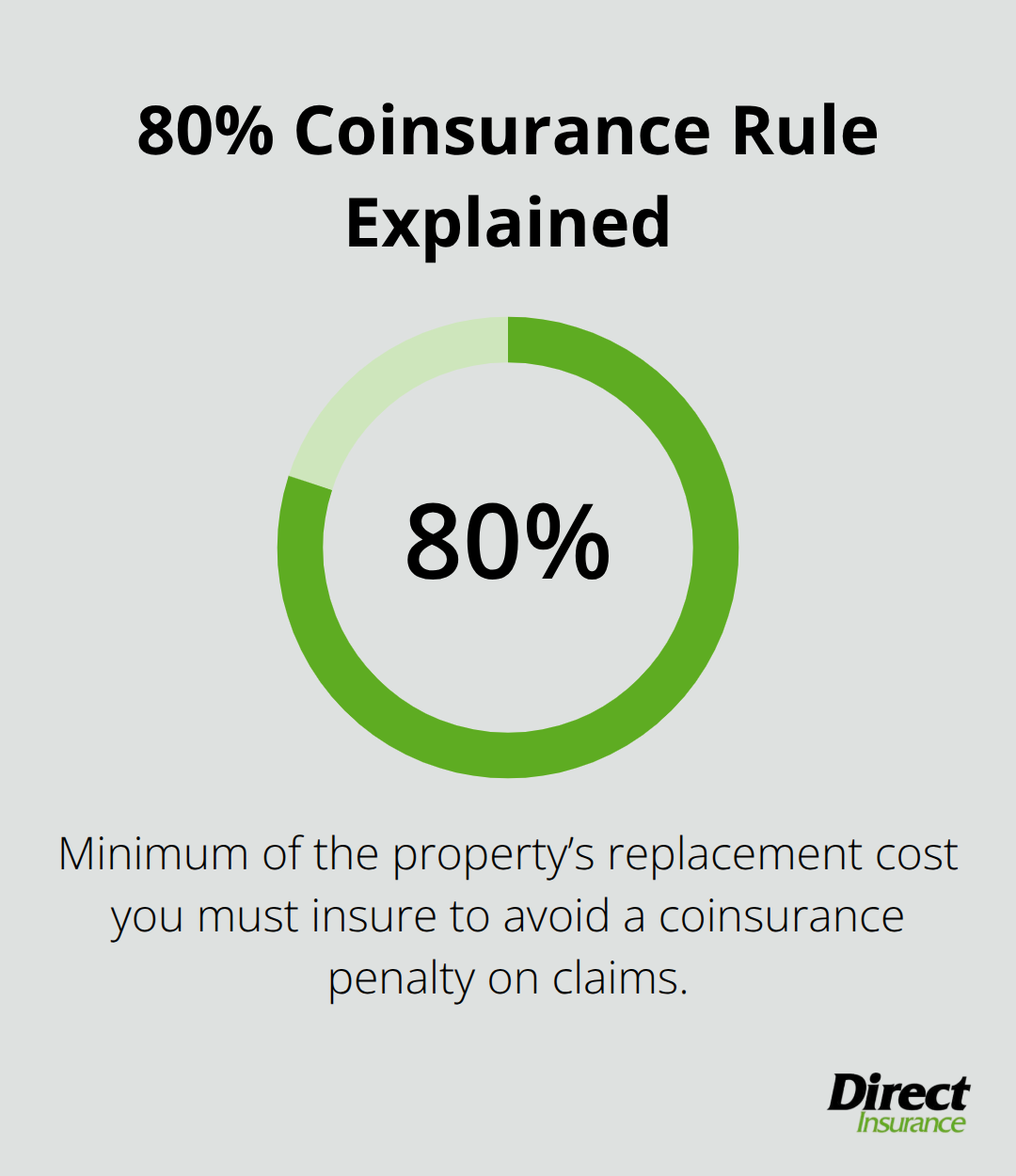
Underinsuring your home creates a coinsurance penalty if a major loss occurs. Insurance companies typically enforce an 80 percent rule, meaning you must carry at least 80 percent of your home’s full replacement cost or face reduced payouts on claims. If your home costs $400,000 to rebuild but you only insure it for $250,000, you’ve triggered this penalty, and the insurer may pay significantly less than your actual damages. Construction costs have risen substantially over the past decade due to inflation and supply-chain pressures, making this calculation more critical than ever.

Lender Requirements and Your Mortgage

Mortgage lenders require dwelling coverage to meet or exceed your loan amount, which means your lender has a vested interest in keeping your home properly insured. This requirement protects both you and the lender from financial catastrophe. Setting the right coverage amount now prevents the nightmare scenario of losing your home and facing a shortfall when you rebuild. Your next step involves calculating exactly how much your home would cost to reconstruct from the ground up-a figure that differs significantly from what you paid for the property or what it would sell for today.

What Drives Your Dwelling Coverage Needs

Square Footage and Local Construction Costs

Your home’s replacement cost starts with square footage, but location determines the real expense. A 2,500-square-foot home in rural Utah costs significantly less to rebuild than an identical home in a dense urban area where labor rates and material costs run higher. The Insurance Information Institute recommends multiplying your home’s square footage by the local cost per square foot of residential construction in your area, then adjusting for materials and custom features. Building material costs have risen 41.6% since the COVID-19 pandemic, with rebuilding expenses climbing faster than home values in many markets. This means a dwelling coverage amount that was adequate five years ago may leave you underinsured today.

Materials and Building Standards

The materials used in your home’s construction directly affect replacement costs. A home built with standard framing and drywall costs far less to rebuild than a home with brick, stone, or specialty materials. Older homes often require updated construction to meet current building codes, which increases rebuilding expenses beyond the original construction price. If your home was built in the 1970s or earlier, code upgrades for electrical systems, plumbing, and structural requirements can add 15 to 25 percent to replacement costs.

Climate, Location, and Regional Factors

Climate and location play a critical role in your coverage needs. Homes in areas prone to severe weather, high winds, or hail face higher replacement costs because construction standards in those regions demand stronger materials and reinforced structures. Coastal properties and homes in flood-prone zones typically require specialized construction that increases rebuilding expenses. Your home’s age and condition matter as well because older homes may have outdated systems that need complete replacement rather than repair, driving up total reconstruction costs.

Central hub with key drivers of home replacement cost including size, materials, codes, climate, and age

Moving Forward with Accurate Estimates

These regional and property-specific factors shape how much coverage you actually need. The next step involves calculating your home’s exact replacement cost using concrete data from your area rather than relying on outdated estimates or assumptions about what your home might sell for today.

Calculate Your Home’s Replacement Cost

Getting an accurate replacement cost estimate forms the foundation of proper dwelling coverage. Start by finding your home’s square footage and researching the cost per square foot for residential construction in your specific area. The Insurance Information Institute provides data showing that typical construction costs range from $100 to $200+ per square foot depending on region, with urban markets and coastal areas commanding higher rates. Multiply your square footage by your local rate, then adjust upward for your home’s specific features. A home with granite countertops, hardwood floors, and custom cabinetry costs more to rebuild than one with standard finishes. If your home underwent renovation within the last five years, factor in the actual costs from those projects since they reflect current material and labor rates in your market. Many homeowners overlook this step and rely on outdated estimates, which leaves them dangerously underinsured. Your insurance company can provide a replacement cost estimate as part of the quoting process, but you should verify this number independently. Online calculators exist, though they often underestimate for homes with premium materials or unique architectural features. The most reliable approach involves obtaining a professional appraisal specifically for replacement cost purposes, which typically costs $200 to $500 but provides documentation that protects you if a claim dispute arises.

Why Land Value Doesn’t Count

A critical mistake homeowners make involves basing dwelling coverage on their home’s market value or purchase price. Your home’s market value includes the land beneath it, which doesn’t burn down or suffer damage from storms. If you paid $500,000 for your property but the land represents $150,000 of that value, your dwelling coverage should reflect only the $350,000 needed to rebuild the structure. This distinction matters enormously because it prevents you from over-insuring and paying unnecessary premiums. Standard policies exclude land from coverage, so your declaration page should show a dwelling limit that represents the cost to reconstruct the building itself, not the total property value. Additionally, your dwelling coverage should exclude any permanent improvements you’ve made to the land, such as driveways, landscaping, or pools, since these fall under other structures coverage with its own limits. Review your declaration page to confirm your dwelling limit makes sense relative to what rebuilding would actually cost. If the number seems disconnected from your home’s actual replacement cost, contact your agent immediately to discuss whether inflation adjustments or recent renovations warrant an increase.

Construction Costs Rise Faster Than Home Values

Construction costs have risen significantly since 2020, which means your coverage from three years ago is likely insufficient today. Material shortages and labor demand have pushed rebuilding expenses upward at rates that outpace typical home value appreciation in many markets. Your coverage from five years ago probably leaves you significantly underinsured if a major loss occurs. Homes in areas that experienced recent natural disasters face even steeper cost increases because material and labor demand spike after widespread damage. Check local news about construction cost trends in your region and discuss any significant increases with your agent. These regional variations mean that a dwelling limit appropriate for your neighbor’s home may fall short for yours, depending on your specific construction materials and architectural complexity.

Annual Reviews Prevent Coverage Gaps

We recommend reviewing your dwelling coverage at minimum annually, ideally before your policy renews. During this review, ask whether your insurer has applied inflation adjustments automatically or whether you need to request a higher limit. If you’ve completed any home improvements, provide documentation of the costs to your agent so coverage reflects the increased replacement value. Some insurers offer inflation guard endorsements that automatically increase your dwelling limit by a set percentage each year, typically 3 to 5 percent, which helps protect against rising construction costs without requiring annual adjustments. This feature costs very little but prevents the costly gap between your coverage and actual rebuilding expenses. Homeowners who skip annual reviews often discover too late that a loss leaves them thousands of dollars short, especially if major reconstruction is needed.

Checklist of steps homeowners should take during their yearly dwelling coverage review - home insurance dwelling coverage

Final Thoughts

Calculate your home’s actual replacement cost using square footage and local construction rates, then adjust for your specific materials and features. Verify that your coverage meets the 80 percent rule to avoid coinsurance penalties when you file a claim. Commit to reviewing your home insurance dwelling coverage annually because construction costs rise faster than home values, and skipping this step leaves you dangerously underinsured.

The most common mistake homeowners make involves basing coverage on market value instead of rebuilding cost. Your home’s market value includes land, which doesn’t need rebuilding after a disaster-strip away the land value and focus only on what it costs to reconstruct the structure itself. Check your declaration page right now to confirm your dwelling limit reflects this reality, and if you completed renovations in the past few years, your coverage probably needs adjustment upward.

An insurance agent transforms this process from confusing to straightforward by running replacement cost estimates specific to your home and explaining whether your current coverage leaves you exposed. At Direct Insurance Services, our team helps homeowners select adequate dwelling coverage without pressure, and we work with top-rated carriers to find coverage that matches both your home’s actual replacement cost and your budget. Contact us today to discuss your dwelling coverage needs and ensure your home is properly protected.

Disclaimer: The information provided in this blog is for general informational purposes only and does not constitute legal, financial, or insurance advice. Coverage options, terms, and availability may vary. Please consult with a licensed professional for advice specific to your situation

The question of whether landlords should require renters insurance comes up constantly in property management. Most landlords focus on protecting their buildings, but they often overlook how tenant coverage protects everyone involved.

At Direct Insurance Services, we’ve seen firsthand how this simple requirement reduces disputes, cuts liability exposure, and gives tenants real financial protection. This guide breaks down why it matters for both sides of the rental agreement.

Why Landlords Must Require Renters Insurance

Requiring renters insurance isn’t optional if you want to run a professional rental operation. A 2025 RentRedi and BiggerPockets survey of 812 real estate investors found that smaller landlords with fewer properties are 60% more likely to require renters insurance than those managing large portfolios. This matters because it shows the difference between landlords who protect themselves and those who ignore real financial exposure. When a tenant’s belongings catch fire, get stolen, or sustain water damage, your building insurance covers the structure only.

Percentage showing how much more likely smaller landlords are to require renters insurance. - should landlord require renters insurance

The tenant’s personal property-furniture, electronics, clothing, artwork-sits completely unprotected without renters insurance. This creates a liability trap. Tenants without coverage often blame landlords for losses that weren’t the landlord’s responsibility, leading to disputes, potential lawsuits, and damaged relationships. Requiring renters insurance from day one eliminates this friction entirely.

The Liability Protection You Actually Need

Renters insurance includes personal liability coverage, which protects you if a tenant injures someone or damages someone else’s property while renting from you. Without this coverage, the injured party might pursue claims against your landlord policy, raising your premiums or creating coverage gaps. A tenant with adequate liability coverage handles these claims through their own insurer, keeping your exposure contained. In Virginia, renters insurance costs around $127 per year-roughly $11 monthly-making it affordable enough that price resistance from tenants signals other screening concerns. Additionally, requiring insurance acts as a financial responsibility filter during tenant screening. Applicants who carry coverage demonstrate they take their rental obligations seriously. This simple requirement weeds out applicants who cut corners elsewhere. The verification process matters equally. The same 2025 survey found that few landlords actually verify coverage after requiring it, creating a false sense of security. Request a certificate of insurance at move-in and maintain it on file throughout the tenancy. Most renters policies allow you to be named as an interested party, giving you direct notification if coverage lapses.

Checklist of steps landlords should take to verify renters insurance. - should landlord require renters insurance

Protecting Your Income and Assets

When a covered disaster displaces a tenant, renters insurance includes loss-of-use coverage that pays for temporary housing and living expenses. This prevents you from absorbing relocation costs while the property undergoes repairs. It also keeps tenants from defaulting on rent during extended vacancies caused by fires, floods, or other major damage. A tenant with adequate coverage moves faster, returns faster, and causes fewer complications for your recovery timeline. Beyond individual claims, requiring renters insurance reduces your own landlord insurance costs. Insurers view properties with systematically insured tenants as lower-risk, and this can translate to better rates at renewal. You signal to underwriters that you manage risk professionally, not reactively. For landlords managing multiple properties, implementing a consistent renters insurance requirement and verification workflow through property management software eliminates manual tracking and reduces compliance gaps. The financial return-lower premiums, fewer disputes, faster claims resolution-justifies the small administrative effort required to enforce the requirement consistently.

Making the Requirement Stick

Stating the requirement in your lease means nothing without enforcement. Include renters insurance in your rental criteria before applicants submit applications, so they understand the expectation upfront. This approach prevents last-minute negotiations and sets a professional tone for the entire tenancy. When you collect the certificate of insurance at move-in, you’ve already established that this requirement matters. Consistency across all tenants protects you from discrimination claims and demonstrates fair management practices. If a tenant’s coverage lapses mid-lease, your notification as an interested party alerts you immediately, allowing you to address the gap before problems arise. Property management software can automate much of this tracking, sending renewal reminders and flagging expired policies without manual intervention. The effort you invest in verification pays dividends when a loss occurs and the tenant’s insurer handles the claim instead of your policy absorbing the hit.

Now that you understand why renters insurance protects your bottom line, the next section examines what’s actually happening in the market and how landlord practices are shifting across different regions.

Current Trends in Renters Insurance Requirements

The Reality Gap Between Best Practice and Actual Enforcement

The gap between what landlords should do and what they actually do remains surprisingly wide. According to the 2025 RentRedi and BiggerPockets survey of 812 real estate investors, smaller landlords with fewer properties are significantly more likely to require renters insurance than those managing large portfolios. This creates a paradox: the landlords who need protection most often skip the requirement entirely. Large portfolio operators manage complexity through systems and software, yet they are the ones least likely to enforce renters insurance. Smaller landlords, despite lacking sophisticated property management tools, recognize the value of the requirement and implement it consistently. This suggests that requiring coverage is not a technology problem or a knowledge problem-it is an execution problem. Landlords who treat renters insurance as non-negotiable see fewer disputes and lower claims. Those who treat it as optional or let it slide after initial lease signing expose themselves unnecessarily.

The verification gap makes this worse. Few landlords actually verify that coverage exists after requiring it, creating a false sense of security. A tenant could let their policy lapse mid-lease, and without active verification, the landlord would not know until a loss occurred. Requesting a certificate of insurance at move-in and maintaining it throughout the tenancy transforms the requirement from a paper exercise into genuine risk management.

State Regulations and Landlord Discretion

State and local regulations rarely mandate renters insurance, which means the requirement falls entirely on individual landlords to enforce. Virginia law permits landlords to require renters insurance as a lease condition under the Virginia Residential Landlord and Tenant Act, but does not require it. This gives landlords complete discretion to set the standard for their properties. The trend moving forward is not toward government mandates-it is toward market differentiation. Landlords who systematically require and verify coverage attract better tenants and experience fewer claims. This competitive advantage will likely push more property owners to adopt the practice, not because of regulation, but because of bottom-line results.

Tenant Screening and Market Shift

Tenant screening is shifting toward stricter standards across the board, and renters insurance requirements fit naturally into that evolution. A tenant who carries coverage demonstrates financial responsibility and commitment to their rental obligations. This screening signal matters increasingly as landlords compete for reliable tenants in tight rental markets. When you require renters insurance alongside credit checks and background screening, you assemble a more complete picture of tenant quality. The affordability of renters insurance-typically $127 annually in Virginia-removes price as a legitimate barrier. Tenants who balk at this requirement often signal other concerns worth investigating during the screening process.

Technology and Systematic Adoption

The market is moving toward landlords who treat insurance requirements as standard practice, not exceptions. Properties managed through professional property management software that automates verification and renewal tracking will increasingly outperform those managed manually. This technological shift will accelerate adoption rates as more landlords recognize that enforcement does not require additional labor when systems handle the tracking automatically. As more landlords implement these systematic approaches, the competitive pressure on property owners who ignore the requirement will intensify. Those who fail to adopt renters insurance requirements will find themselves managing higher-risk tenant pools and absorbing preventable losses.

Why Tenants Need Renters Insurance Now

Renters insurance is not a luxury or something to consider eventually. It is essential protection that costs far less than most tenants think. In Virginia, renters insurance averages $194 to $295 annually depending on location and coverage limits, which makes the decision straightforward: the cost of coverage is negligible compared to the financial devastation of losing personal property without insurance.

What Your Belongings Actually Cost to Replace

Most tenants underestimate the value of their belongings until a fire, theft, or water damage forces a reckoning. When you inventory your apartment or rental home, the replacement cost adds up fast. A laptop costs $1,200, a bedroom set runs $3,000, clothing and shoes total $2,000, and electronics and appliances add another $2,500. A single loss can easily exceed $10,000 in personal property damage. Without renters insurance, you absorb this entire loss out of pocket.

Your landlord’s building insurance covers the structure, not your possessions. This gap exists by design and by law. The National Association of Insurance Commissioners confirms that landlord policies explicitly exclude tenant personal property. Renters insurance fills this gap directly.

Choosing the Right Coverage Limits and Forms

The standard policy form, known as HO-4, provides replacement cost coverage for your belongings, meaning the insurer reimburses you for new items, not depreciated values. This distinction matters enormously. Actual cash value coverage would reduce your reimbursement by depreciation, leaving you significantly underinsured after a loss.

Hub-and-spoke diagram showing key components of renters insurance coverage.

When you calculate the replacement cost of everything you own, most renters need between $15,000 and $30,000 in personal property coverage, though higher-value tenants may require more. High-value items like jewelry, electronics, or artwork often hit policy limits, so adding scheduled personal property riders ensures adequate protection for those specific items.

Liability Protection Extends Beyond Your Home

Liability protection is where renters insurance becomes genuinely valuable beyond property coverage. If you accidentally injure someone in your rental or damage someone else’s property, your personal liability coverage pays legal fees, medical expenses, and court judgments. Experts recommend minimum liability limits of $100,000, though $300,000 or higher makes sense if you have significant assets to protect.

This coverage applies even when you are away from home. If your dog bites someone at a park, or you accidentally damage a neighbor’s car, your renters policy handles it. Loss-of-use coverage rounds out the protection by paying for temporary housing, meals, and living expenses if a covered loss makes your rental uninhabitable. If a fire forces you out for three months during repairs, this coverage pays for hotel stays and meals while the landlord’s contractor restores the unit. This protection prevents you from defaulting on rent while displaced and keeps your finances intact during a crisis.

Deductibles, Exclusions, and Smart Shopping Strategies

When you shop for policies, focus on three variables: coverage limits, deductibles, and exclusions. Higher deductibles lower your monthly premium but increase out-of-pocket costs after a claim. A $1,000 deductible typically costs less than a $500 deductible, so choose the deductible you can actually afford if a loss occurs.

Exclusions matter equally. Standard policies do not cover flood damage; you must purchase flood insurance separately through FEMA’s National Flood Insurance Program or private carriers. Earthquake coverage also requires a separate rider in most states. Bundle renters insurance with auto insurance to capture multi-policy discounts, typically saving 10-25% on your total premium.

Build a detailed home inventory with photos and receipts before a loss occurs. This documentation speeds claims processing and ensures you receive full reimbursement rather than settling for less because you cannot prove what you owned. Most insurers offer 24/7 claims support and process claims rapidly when documentation is complete.

Final Thoughts

The evidence is clear: landlords should require renters insurance, and tenants should carry it without hesitation. This requirement protects both parties from preventable financial damage and eliminates disputes that damage landlord-tenant relationships. For landlords, the benefits are concrete-you reduce liability exposure, lower your own insurance costs, and filter out tenants who resist basic financial responsibility. You also accelerate recovery after disasters by ensuring tenants have coverage for temporary housing and living expenses.

For tenants, renters insurance costs roughly $11 monthly in Virginia yet protects against losses exceeding $10,000 or more. The liability coverage alone justifies the expense, covering medical bills and legal fees if someone is injured in your rental or if you accidentally damage someone else’s property. Implementing this requirement successfully means including renters insurance in your rental criteria before applicants apply, collecting a certificate of insurance at move-in, and requesting to be named as an interested party on the policy.

Property management software can automate much of this tracking, eliminating manual work while ensuring nothing falls through the cracks. The rental market is shifting toward stricter tenant screening standards, and renters insurance requirements fit naturally into that evolution. If you need guidance on structuring your renters insurance requirement or want to review your own coverage, Direct Insurance Services offers personalized solutions tailored to your specific situation.

Disclaimer: The information provided in this blog is for general informational purposes only and does not constitute legal, financial, or insurance advice. Coverage options, terms, and availability may vary. Please consult with a licensed professional for advice specific to your situation

Tenant damage can wipe out your rental income and leave you facing unexpected repair bills. At Direct Insurance Services, we know that landlord insurance is the financial shield every property owner needs.

This guide walks you through the coverage types available and how to find the right policy for your Utah rental property.

What Landlord Insurance Actually Protects

Landlord insurance protects your rental property and income in ways that standard homeowners policies exclude rental properties entirely, leaving you exposed to significant financial risk. When a tenant damages your property-whether through negligence, accidents, or deliberate destruction-your standard homeowners policy won’t pay for repairs. A tenant might punch a hole in drywall, break fixtures, or damage flooring, and you’re left paying thousands out of pocket. Landlord insurance specifically covers these tenant-caused damages to the building structure and systems.

Beyond physical damage, landlord policies protect your rental income when tenants stop paying rent or skip out entirely. According to the National Apartment Association, the average eviction process takes 35 days, during which you receive no rental income while still covering mortgage payments, property taxes, and maintenance costs. Loss of rents coverage reimburses you for this lost income during vacancies or while you evict a non-paying tenant. Additionally, landlord liability insurance covers you if someone is injured on your property and sues you for damages.

Diagram showing key protections for Utah landlords: tenant damage, loss of rents, liability, and eviction timeline impact. - landlord insurance tenant damage

If a tenant’s guest slips on your stairs and claims you failed to maintain safe conditions, liability coverage pays their medical bills and legal fees up to your policy limits, protecting your personal assets from being seized to satisfy a judgment.

Why Standard Homeowners Insurance Falls Short

Your homeowners policy covers your primary residence, not income-producing properties. Insurers view rental properties as commercial ventures with higher risk profiles and different coverage needs. If you file a claim on a homeowners policy for tenant damage, the insurer may deny it outright or cancel your coverage for misrepresenting your property use. Landlord insurance is specifically underwritten for the realities of renting-tenant turnover, income loss, and liability exposure from multiple occupants. The distinction matters because coverage gaps can cost you thousands in a single incident.
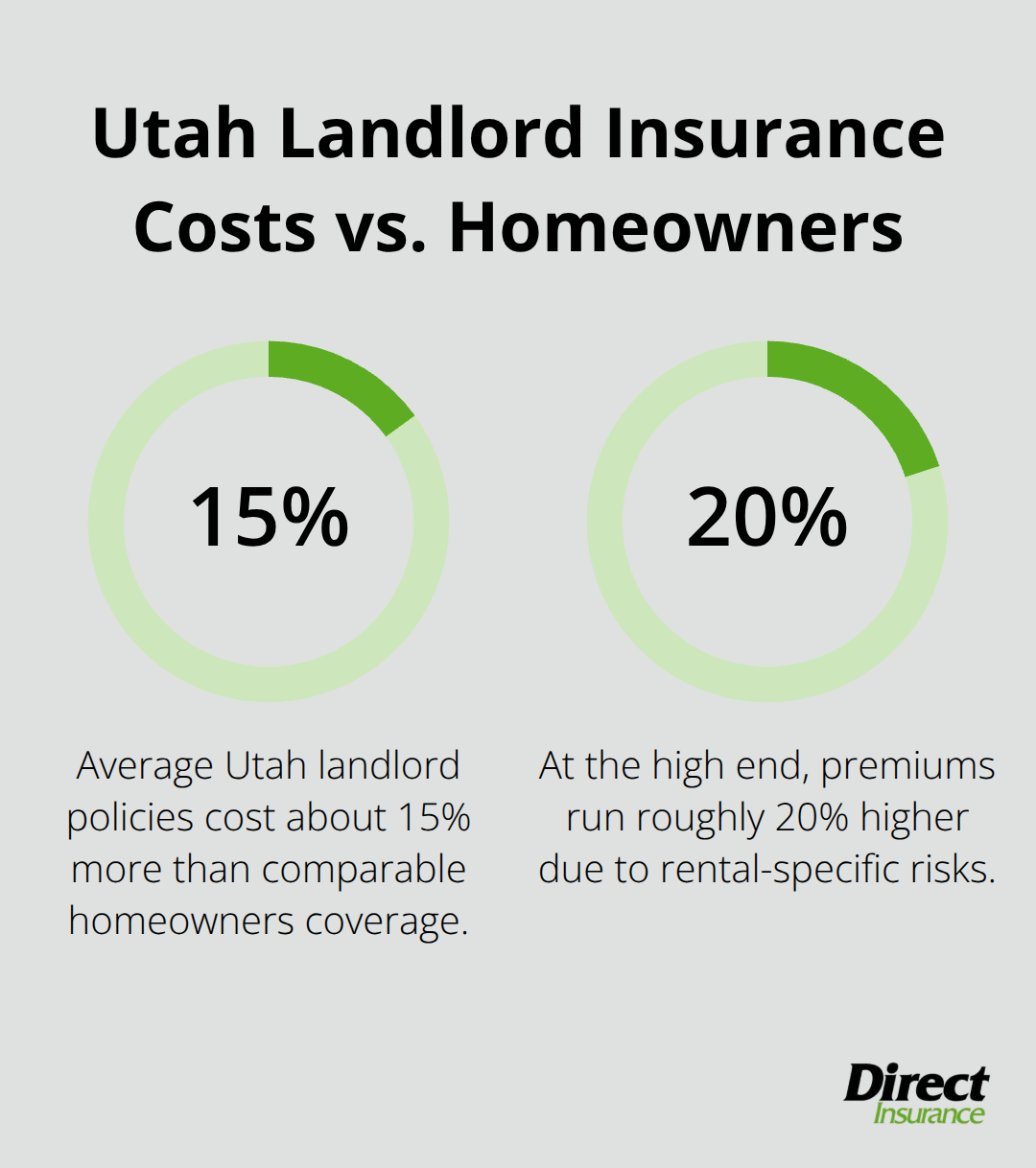
Protection That Covers Your Real Losses

Landlord policies reimburse actual repair costs for tenant damage, not depreciated value. If a tenant destroys kitchen cabinets worth $3,000, your policy pays to replace them at current market rates. You also receive coverage for lost rent during repairs if damage makes the unit uninhabitable. If a pipe bursts due to tenant negligence and forces you to close the unit for two months while repairs happen, loss of rents coverage compensates you for those two months of income. This is where landlord insurance becomes genuinely valuable-it protects the cash flow that makes your rental business viable.

What Comes Next

Understanding what landlord insurance covers is only half the battle. The real challenge lies in selecting the right coverage types for your specific property and situation.

Coverage Types That Actually Matter

Dwelling Fire Policies Form Your Foundation

Dwelling fire policies cover the physical structure of your rental property against fire, wind, hail, theft, and vandalism. Most lenders require this coverage before funding your mortgage. The dwelling policy pays to repair or rebuild the actual building, not the contents tenants bring inside. If a tenant leaves a stove on and causes a fire that damages the roof and walls, your dwelling policy covers those structural repairs.

You must match your coverage limit to your property’s replacement cost, not its market value. A Utah property worth $400,000 might cost $350,000 to rebuild depending on construction materials and labor. Underestimating this figure leaves you personally liable for the gap.

Liability Insurance Protects You from Injury Claims

Landlord liability insurance protects you when someone gets injured on your property and sues. A tenant’s guest falls down exterior stairs and claims you failed to maintain the treads properly. A delivery person trips on a broken sidewalk. These incidents generate medical bills, legal defense costs, and potential judgments that can reach $100,000 or more.

Liability coverage typically includes $300,000 to $1,000,000 in protection, though higher limits cost only slightly more in premiums. The modest additional expense for increased limits makes sense given the financial exposure from a single serious injury claim.

Loss of Rents Coverage Replaces Your Income During Repairs

Loss of rents coverage reimburses your monthly rental income when a covered loss makes the unit unrentable. If a fire damages the kitchen and you need 60 days to complete repairs, this coverage pays 60 days of lost rent while you cannot lease the property. Without it, you absorb that income loss while still paying your mortgage and property taxes.

Utah landlords often underestimate how quickly expenses pile up during vacancy periods. Most policies offer loss of rents coverage for 6 to 12 months of potential claims, which matches typical repair timelines for significant damage. The premium for this add-on costs modestly-usually $15 to $40 monthly depending on your property’s rental value-but the protection prevents financial hardship during extended repairs.

Checklist of key facts about loss of rents coverage for Utah rental properties.

Selecting the Right Mix for Your Situation

The coverage types you select depend on your property’s age, location, and tenant profile. Older properties in areas with higher weather risk need robust dwelling coverage. Properties in neighborhoods with higher foot traffic warrant stronger liability limits. Your next step involves assessing exactly what your specific property requires before comparing quotes from carriers.

How to Get Landlord Insurance in Utah

Calculate Your Property’s True Replacement Cost

Start by calculating your property’s replacement cost, not its market value. Contact a local contractor and ask what it would cost to rebuild your rental from the ground up-this number determines your dwelling coverage limit. Utah rental properties typically range from $250,000 to $500,000 in replacement value depending on square footage, construction type, and finishes. Underinsuring by even 10 percent leaves you personally liable for repair costs above your policy limit.

Establish Coverage Amounts Based on Your Income and Risk

Next, document your monthly rental income and multiply it by 12 to establish your loss of rents coverage amount. If your property rents for $1,800 monthly, you need at least $21,600 in annual loss of rents protection. For liability coverage, consider limits of $300,000 as your minimum with $1,000,000 strongly preferred for properties with regular tenant traffic or guest access.

Compact checklist of steps to choose coverage and limits for a Utah rental property. - landlord insurance tenant damage

Compare Quotes Across Multiple Carriers

Comparing quotes from multiple carriers reveals substantial premium differences for identical coverage. A property with $350,000 dwelling coverage, $500,000 liability, and 12 months loss of rents coverage might cost $800 annually from one carrier and $1,200 from another-that’s a $400 difference for the same protection. Contact at least three carriers directly rather than relying on online quote tools that often exclude landlord-specific endorsements.

Review Deductibles and Coverage Details

Ask each carrier specifically about their tenant damage deductibles, which typically range from $500 to $2,500 (lower deductibles cost more but reduce your out-of-pocket expense when claims occur). An independent agent can match your specific property profile to the insurer offering the best rates and coverage terms. Independent agents spend time understanding your property’s actual risk factors rather than plugging numbers into a generic algorithm, and that personalized approach consistently delivers better coverage at competitive prices.

Final Thoughts

Landlord insurance for tenant damage protects your rental income and property from financial devastation. The three coverage types we’ve outlined-dwelling fire policies, liability insurance, and loss of rents coverage-work together to address the real risks you face as a property owner. Without this protection, a single incident can drain thousands from your bank account and leave you scrambling to cover mortgage payments while repairs happen.

Calculate your replacement cost accurately, establish coverage limits based on your actual rental income, and compare quotes from multiple carriers to find the best rates. Deductible choices matter too-a lower deductible costs more upfront but saves you money when claims occur, which is worth considering based on your financial situation. An independent insurance agent takes time to understand your specific situation rather than applying generic formulas to your property.

Contact Direct Insurance Services to review your current coverage or get quotes on a new landlord policy. Our team understands the unique risks Utah landlords face and works with top-rated carriers to find coverage that fits your property and budget. Your rental investment deserves protection from someone who actually listens to your needs.

Disclaimer: The information provided in this blog is for general informational purposes only and does not constitute legal, financial, or insurance advice. Coverage options, terms, and availability may vary. Please consult with a licensed professional for advice specific to your situation
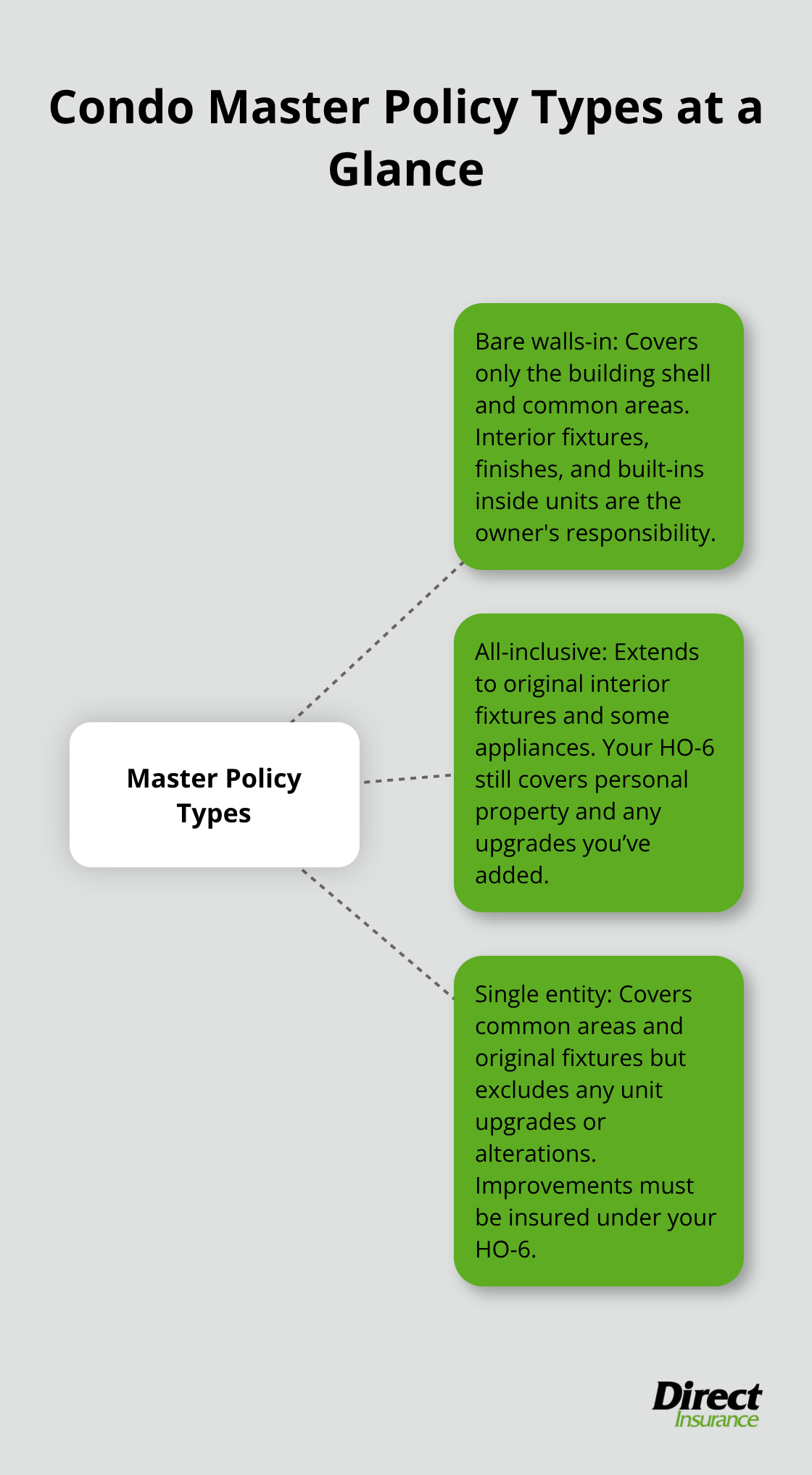
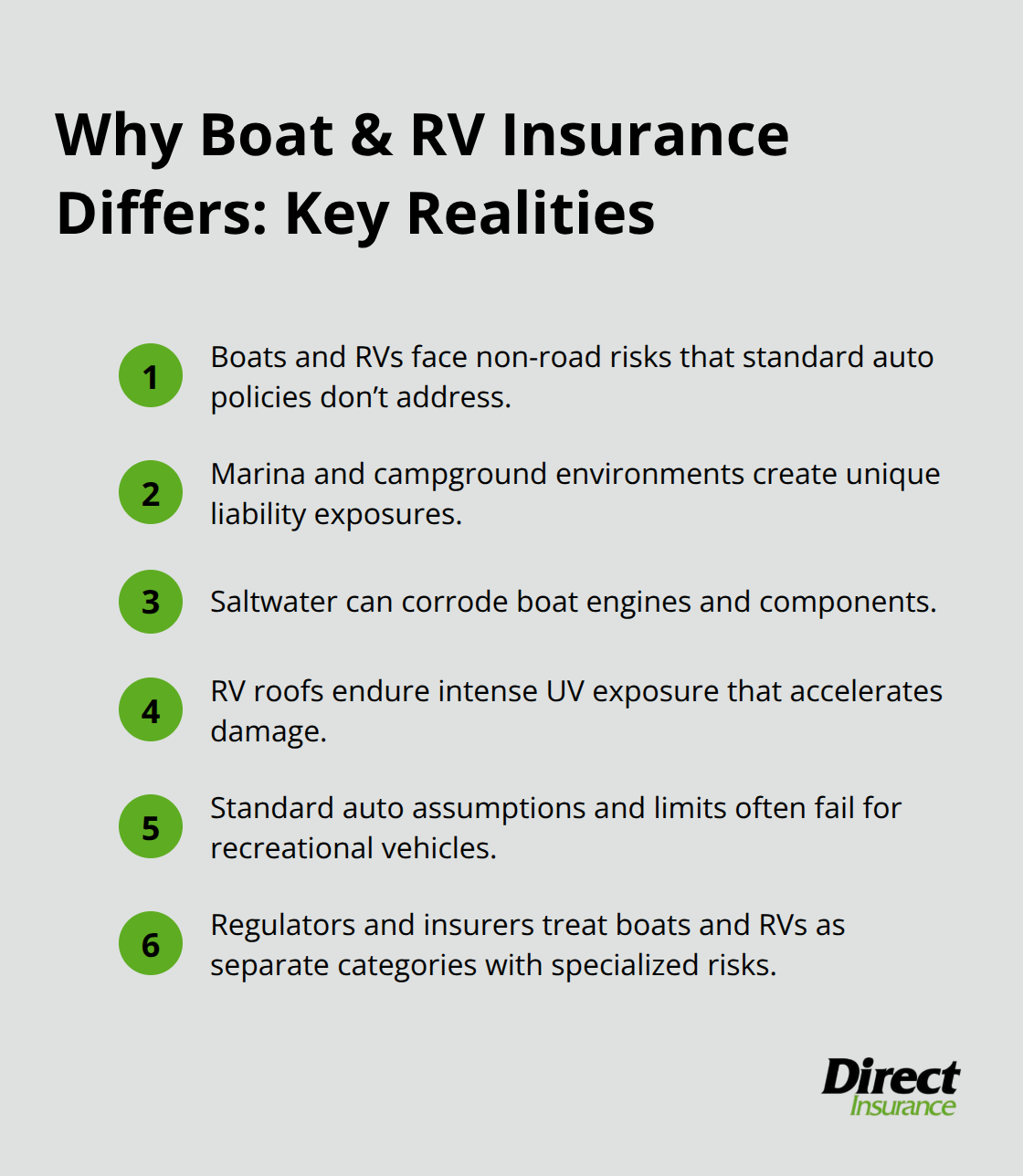
Most people overpay for auto and home insurance without realizing it. The difference between the highest and lowest quotes for identical coverage can exceed $1,000 per year, according to insurance industry data.

At Direct Insurance Services, we’ve helped thousands of customers cut their premiums by understanding what actually drives their rates and where savings hide. This guide walks you through the concrete steps to find affordable coverage that doesn’t sacrifice protection.

What Coverage Do You Actually Need?

Getting your coverage right starts with honest math, not guesswork. Most people either over-insure and waste money or under-insure and face catastrophic risk. Customers often fail to calculate what their home or car is actually worth, or they don’t understand what your state legally requires. Start by finding your car’s current market value using resources like Kelley Blue Book or NADA Guides. For your home, use your most recent property tax assessment or a recent appraisal as a baseline, then adjust for any renovations or major improvements you’ve made. This number matters because it determines your liability limits and replacement cost coverage. A 2023 Consumer Federation of America study found that Americans with excellent credit (800+) paid roughly 49% less for auto insurance than those with fair credit, but even more dramatic are the differences based on coverage choices. If you’re financing or leasing your vehicle, your lender requires collision and comprehensive coverage-non-negotiable. For homeowners with a mortgage, your lender demands dwelling coverage at least equal to what they’d need to rebuild. The real challenge lies in distinguishing what’s required from what actually makes sense.

Percentage showing how much less people with excellent credit pay for auto insurance compared to those with fair credit. - lowest cost auto and home insurance

Liability Limits Demand Serious Attention

State minimums are genuinely inadequate. Liability limits vary by state, but a single serious accident can generate six-figure medical bills and lost wages. Try carrying at least $100,000 per person and $300,000 per accident-and if you have significant assets, consider $250,000 or $500,000. The premium difference between $50,000 and $100,000 limits is typically $15–$30 per year, making it absurdly cheap insurance against financial ruin. For homeowners, standard liability coverage tops out at $100,000 or $300,000, which sounds substantial until someone is seriously injured on your property. If you own a pool, trampoline, or have frequent visitors, jumping to $500,000 in liability costs almost nothing extra. Optional coverage like umbrella policies starts around $150–$300 annually for $1 million in additional protection, creating a safety net that most people skip despite its low cost.

Collision and Comprehensive: Know When to Drop Them

Collision and comprehensive on older vehicles represent the biggest money-wasters. If your car is worth less than $5,000, collision coverage-which pays to repair your car after an accident-often costs $400–$600 annually. The math is simple: paying $500 per year to protect a $4,000 car means you break even in eight years, and most cars depreciate faster. For vehicles worth under $7,000, dropping collision makes financial sense unless you couldn’t afford to replace the car outright. Comprehensive coverage (theft, weather, vandalism) is cheaper-usually $100–$200 annually-and you should keep it longer since catastrophic losses happen suddenly. On the home side, most standard policies don’t cover flood or earthquake damage, yet these cause billions in annual losses. If you’re in a flood zone or earthquake-prone area, adding these riders costs $500–$1,500 yearly but prevents total loss.

Water Damage and Replacement Cost Coverage

Water damage from burst pipes is covered, but gradual leaks are not-a distinction that matters when a claim arises. Ask specifically about replacement cost versus actual cash value on both your home and personal belongings; replacement cost means the insurer pays what it costs to replace items today, not what you paid ten years ago. This costs 10–15% more but is worth every penny. The coverage choice you make here directly affects how much you’ll actually receive if you file a claim, making it one of the most important decisions in your policy.

Understanding what you truly need sets the foundation for smart shopping. The next step is comparing what different insurers actually charge for the coverage you’ve selected-and that’s where most people find their biggest savings.

Where to Find the Lowest Quotes and Biggest Savings

Compare Quotes from Multiple Insurers

Shopping around for insurance quotes isn’t optional if you want the lowest cost-it’s non-negotiable. A 2024 Consumer Reports survey found that people who switched insurers saved a median of $461 annually, yet most people never request more than one quote. Start by gathering quotes from at least three different insurers using the same coverage levels and deductibles for each one-this is the only way to compare apples to apples. Many insurers offer online quote tools where you enter your ZIP code and basic information, but some require speaking with an agent to get accurate pricing. The time investment pays off dramatically: the difference between the cheapest and most expensive quote for identical coverage regularly exceeds $500 per year.

Compact list of the biggest insurance savings opportunities from shopping and bundling.

Request quotes from both national carriers like State Farm and Travelers and regional insurers, since pricing varies wildly based on how each company evaluates risk in your specific area.

Bundle Auto and Home for Substantial Discounts

Bundling your auto and home policies with a single insurer is where serious savings happen. Carriers automatically apply discounts of 5-25% when you combine auto and home insurance policies, translating to roughly $466 in annual savings on average. State Farm offers the largest bundling discount at an average of 23%, while Auto-Owners typically has the lowest total bundled cost at around $1,878 per year. The mechanics of bundling vary by insurer-some apply the discount to both policies equally, while others weight it differently-so always ask how your specific discount gets calculated. One critical detail: if you cancel one policy in a bundle, you often lose the multi-policy discount entirely, which can spike your remaining premium, so factor this into any decision to drop coverage.

Layer On Additional Discounts

Beyond the base bundling discount, you can stack multiple savings opportunities. Safe-driver discounts typically range from 5–15%, while loyalty rewards and paid-in-full discounts add more value. Electronic billing discounts (4–10% depending on the carrier) and automatic payment setup (often 5% savings) require minimal effort but deliver real reductions. Anti-theft devices installed in your vehicle can reduce premiums by 5–20%, depending on the device type and your location. For homeowners, security system installation, roof upgrades, and new construction discounts add up quickly. The key is asking about every possible discount-many insurers don’t volunteer them unless you specifically inquire. These layered discounts transform a modest bundling offer into substantial annual savings.

Understand How Bundling Affects Your Total Cost

The mechanics of how insurers calculate bundling discounts matter more than you might think. Some carriers apply the discount percentage to both policies equally, while others weight the discount toward the more expensive policy. Request a detailed breakdown showing your auto premium, home premium, bundling discount, and final total-this transparency reveals whether bundling actually saves you money compared to separate policies. A few insurers offer single-deductible options when you bundle, meaning if both your home and car suffer damage in the same event, you pay one deductible instead of two. Verify whether your policy includes this perk, as it can provide additional protection value.

Evaluate Bundling Against Separate Policies

Bundling isn’t always the cheapest option, despite its convenience. Compare your bundled quote against the cost of purchasing auto and home policies from different carriers-sometimes splitting your coverage yields lower total premiums. This evaluation becomes especially important if one insurer excels at auto rates while another dominates home pricing in your area. The decision hinges on your specific situation, your location, and the carriers available to you, making quote comparison the only reliable way to determine your best path forward.

What Actually Drives Your Insurance Costs

Your Driving Record and Claims History Control Your Rates

Your driving record and claims history are the two factors that most directly control what you pay. A single accident or moving violation increases your premiums, while maintaining a clean record qualifies you for accident-free discounts that many carriers offer after three to five years without a claim. According to Insurify data, your actual driving behavior matters far more than any gadget you install. If you file a claim for minor damage-say, a $500 fender-bender or small home repair-you often lose more in premium increases than you gain from the payout. The math is brutal: a homeowner with a recent claim pays significantly more than one with a clean history, which is why many people skip claims entirely for small damages and pay out of pocket instead.

Hub-and-spoke diagram of the key factors that influence auto and home insurance costs. - lowest cost auto and home insurance

Location Creates Risk Calculations Beyond Your Control

Your location determines risk calculations that have nothing to do with your personal driving or home maintenance. Urban areas with higher theft rates, accident frequencies, and natural disaster exposure cost more to insure than rural regions, sometimes by 30–50% for identical coverage. States with severe weather patterns-hurricanes in Florida, hail in Colorado, earthquakes in California-drive home insurance costs substantially higher, while auto insurance rates spike in areas with heavy congestion and poor road conditions.

Vehicle and Home Age Affects Replacement Costs

The age of your vehicle and home matters because older structures cost more to repair and older cars cost more to replace, but depreciation works in your favor eventually. Once your car drops below $5,000–$7,000 in value, dropping collision coverage typically saves $400–$600 annually, and that savings only grows as the vehicle ages. Your home’s age affects both replacement cost estimates and the likelihood of system failures; a 50-year-old roof costs more to insure than a ten-year-old one, but upgrading electrical, plumbing, or roofing systems can qualify you for discounts that offset those increases.

Market Dominance and Local Pricing Variations

The carriers that dominate your state’s market may price vehicles and homes differently based on local repair costs and claim frequency. This variation is why comparing quotes across multiple insurers remains essential regardless of your personal profile. Anti-theft devices reduce premiums by 5–20% depending on the device type and your location, but these savings pale compared to the impact of your driving history and geographic risk factors.

Final Thoughts

Finding the lowest cost auto and home insurance requires three concrete actions: comparing quotes across multiple carriers, bundling your policies strategically, and stacking every available discount. People who shop around save hundreds annually, yet most never request more than one quote. Your driving record and claims history matter far more than any single discount, so maintaining a clean record pays dividends for years.

Start by gathering quotes from at least three different insurers using identical coverage levels and deductibles. Request bundling quotes alongside separate policy options to determine which approach actually saves you money in your specific situation. Ask about every discount available-safe-driver credits, electronic billing, automatic payments, security systems, and anti-theft devices all compound into meaningful savings.

An independent agent transforms this process from overwhelming to manageable. Unlike captive agents who represent a single carrier, independent agents access multiple insurers and compare quotes on your behalf, saving you hours of research. At Direct Insurance Services, our team helps Utah families and businesses find affordable protection that actually covers what matters.

Disclaimer: The information provided in this blog is for general informational purposes only and does not constitute legal, financial, or insurance advice. Coverage options, terms, and availability may vary. Please consult with a licensed professional for advice specific to your situation