Exploring Insurance Options for Small Businesses

Small businesses face unique challenges and risks in today’s competitive landscape. Protecting your venture with the right insurance coverage is essential for long-term success and peace of mind.
At Direct Insurance Services, we understand that navigating insurance options for small businesses can be overwhelming. This guide will help you explore the various types of coverage available and factors to consider when choosing the best protection for your company.
What Risks Do Small Businesses Face?
Common Threats to Small Enterprises
Small businesses form the backbone of our economy, yet they face a multitude of risks. Unexpected events can derail even the most promising ventures, making it essential to understand your business’s unique insurance needs.
One of the most frequent claims we encounter involves slip-and-fall accidents. These can occur in any business with a physical location, from retail stores to office spaces.
Property damage presents another significant risk. Whether it’s fire, storm damage, or theft, the costs can be catastrophic.
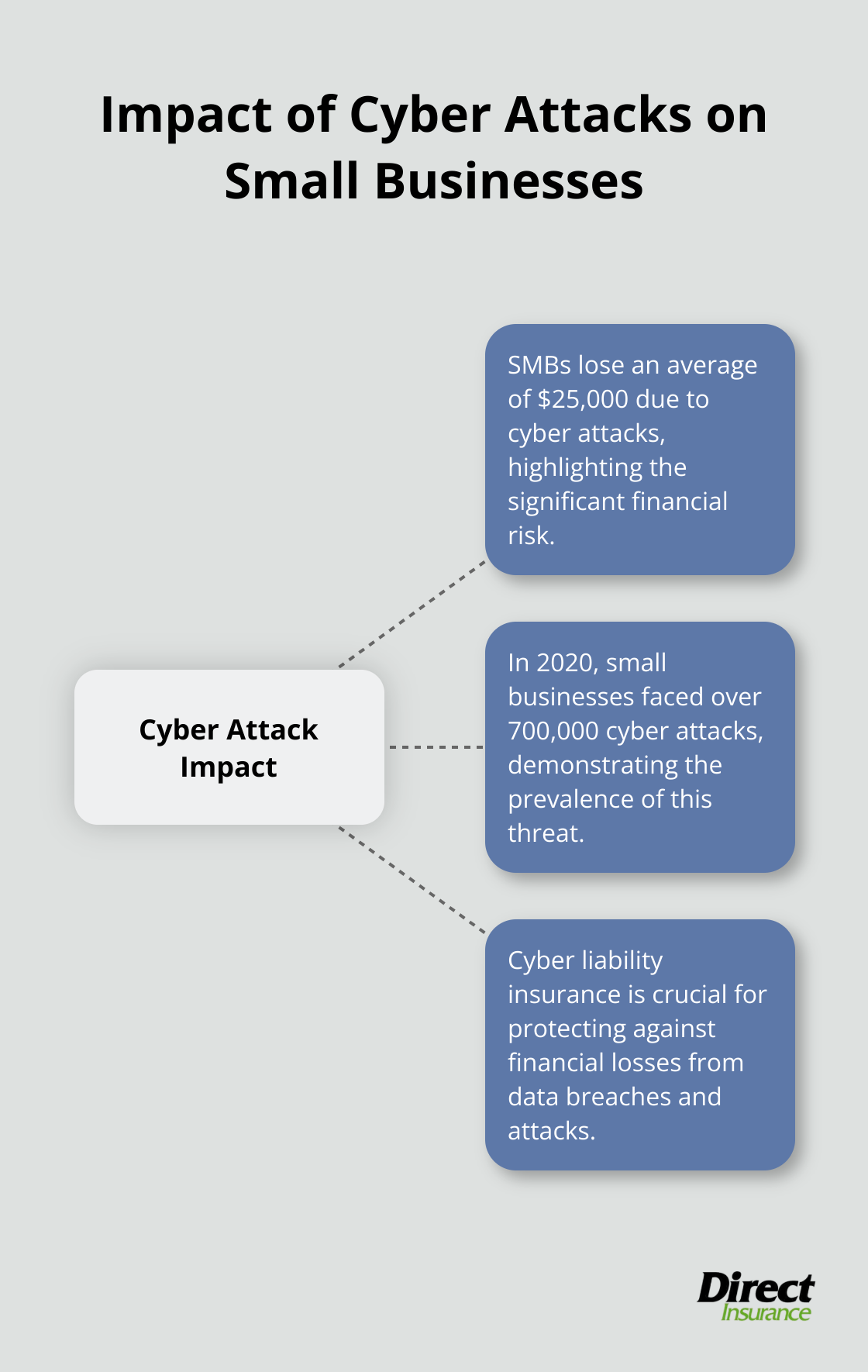
Cyber attacks pose an increasing threat. On average, small and medium-sized businesses (SMBs) lose $25,000 due to cyber attacks. In 2020, small businesses faced over 700,000 attacks.
Customizing Your Coverage
Generic insurance policies often fail to provide comprehensive protection. To create an effective insurance plan, you must thoroughly assess your business operations, assets, and potential liabilities.
Consider the differences in insurance needs between various businesses:
- A home-based consultant might prioritize professional liability insurance to protect against claims of negligence.
- A restaurant owner would focus on coverage for food spoilage and liquor liability.
Evaluating Your Specific Requirements
To determine your insurance needs, ask yourself these key questions:
- What are my most valuable assets?
- What potential lawsuits could my business face?
- How would my business survive if it couldn’t operate for a month?
Your answers will guide your insurance decisions. For example, if you rely heavily on a few key pieces of equipment, you’ll want to ensure adequate coverage under your property insurance.
The Importance of Regular Reviews
Your insurance needs will evolve as your business grows. A startup might begin with basic general liability coverage, but as it hires employees and expands operations, it may need to add workers’ compensation and cyber liability insurance.
As we move forward to explore the types of insurance policies available for small businesses, keep in mind that the right combination of coverage can make the difference between weathering a storm and facing financial ruin.
What Insurance Policies Do Small Businesses Need?
Small businesses require a tailored approach to insurance coverage. Let’s explore the essential types of insurance that small businesses should consider.
General Liability: The Foundation of Business Protection
General Liability insurance forms the cornerstone of any small business insurance plan. It covers bodily injury, property damage, and personal injury claims. For example, if a customer slips and falls in your store, this policy will cover their medical expenses and potential legal fees.
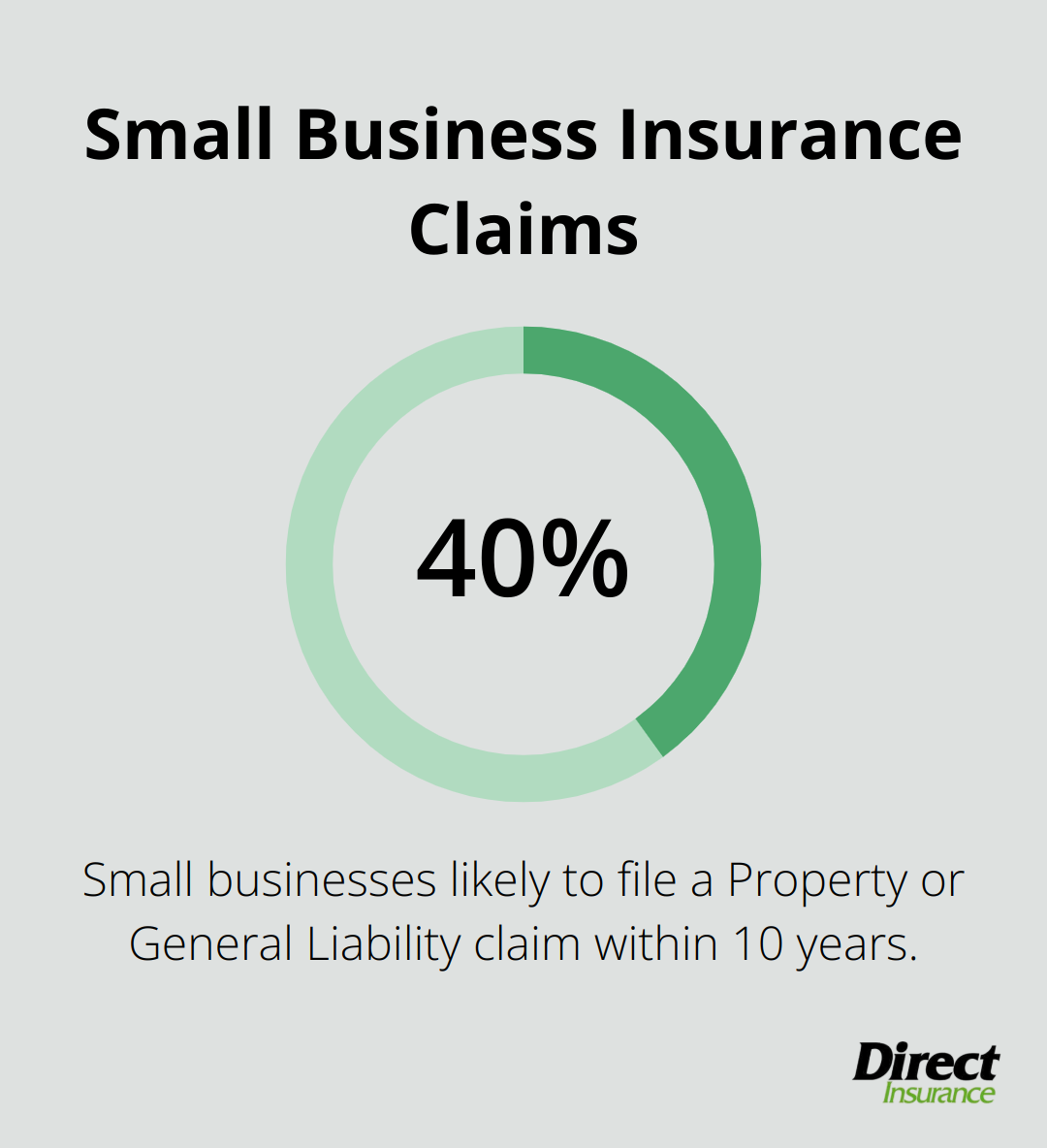
A recent study reveals that 4 out of every 10 small businesses are likely to file a Property or General Liability insurance claim within their first 10 years of operation. This statistic highlights the importance of robust general liability coverage.
Property Insurance: Safeguarding Your Assets
Property insurance protects your physical assets, including buildings, equipment, and inventory. It’s vital for businesses with physical locations or valuable equipment. If a fire damages your office, property insurance will cover the cost of repairs and replacement of damaged items.
Professional Liability: Protecting Your Expertise
Professional Liability coverage (also known as errors and omissions insurance) is essential for businesses that provide services or advice. It protects against claims of negligence, misrepresentation, or inaccurate advice.
For instance, if you’re an accountant and a client sues you for a mistake in their tax returns, professional liability insurance will cover your legal defense and any settlements.
Workers’ Compensation: Taking Care of Your Team
If your business has employees, workers’ compensation insurance is often legally required. This policy covers medical expenses and lost wages for employees who are injured on the job.
Business Interruption: Keeping You Afloat
Business interruption insurance helps replace lost income if your business must close temporarily due to a covered event (such as a fire or natural disaster). This coverage can determine whether you reopen your doors or close them permanently.
As we move forward, it’s important to consider how these insurance policies interact with each other and how they can be tailored to your specific business needs. The next section will explore the factors you should consider when choosing the right insurance coverage for your small business.
How to Choose the Right Insurance for Your Business
Assess Industry-Specific Risks
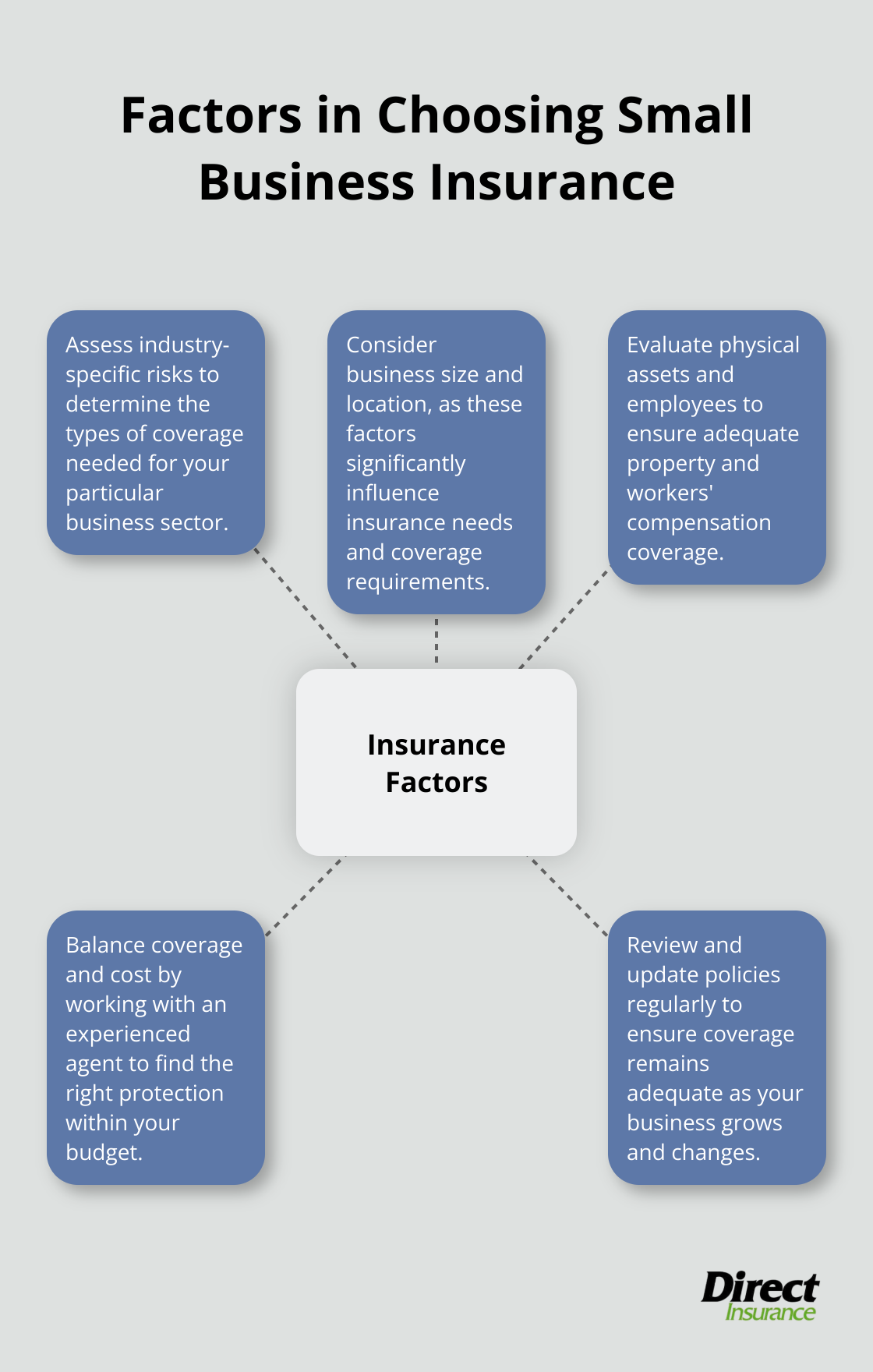
Every industry faces unique challenges. A construction company encounters different risks than a software development firm. For example, a restaurant owner must consider food spoilage insurance and liquor liability coverage. In contrast, a tech startup might prioritize cyber liability insurance to protect against data breaches.
Consider Business Size and Location
Your business size and location significantly influence your insurance needs. A home-based business typically requires less coverage than a large retail store. However, don’t underestimate the importance of adequate coverage, even for small operations.
Location plays a critical role. Businesses in areas prone to natural disasters like floods or earthquakes need specific coverage.
Evaluate Physical Assets and Employees
The value of your physical assets directly impacts your property insurance needs. Take inventory of your equipment, inventory, and buildings. Underinsuring these assets can lead to catastrophic losses in the event of damage or theft.
If you have employees, workers’ compensation insurance is typically mandatory. Proper coverage protects both your employees and your business.
Balance Coverage and Cost
While budget constraints are a reality for many small businesses, cutting corners on insurance can lead to devastating financial consequences. Work with an experienced agent who understands your industry and can help you effectively balance coverage and cost.
Review and Update Regularly
As your business grows and changes, so should your insurance coverage. We recommend reviewing your policies annually or whenever significant changes occur in your business operations. This practice ensures that your coverage remains adequate and relevant to your current business needs.
Final Thoughts
Insurance options for small businesses require careful consideration to protect against potential risks. Each type of coverage, from general liability to cyber liability, plays a specific role in safeguarding a company’s future. Small business owners must adapt their insurance needs as their companies grow, move, or face new industry challenges.
Direct Insurance Services understands the unique insurance challenges small businesses encounter. Our team of professionals helps find the right coverage options that fit specific needs and budgets. We work with top-rated carriers to provide a wide range of policies (including auto, homeowners, commercial, and specialty insurance).
Our personalized approach ensures tailored solutions and clear guidance for small business owners. We invite you to explore insurance options for small businesses with Direct Insurance Services. Our expertise will help you build a solid foundation of protection for your company, allowing you to focus on running your business with confidence.


