Builder Insurance Utah: Protecting Projects From Start To Finish
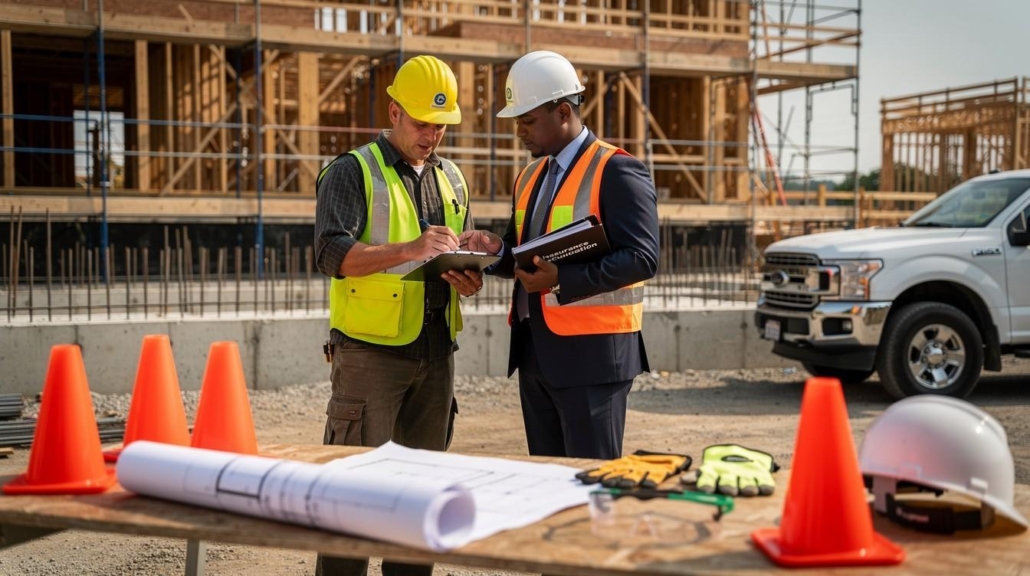
Utah construction projects face unique weather challenges, material theft, and liability risks that standard property insurance won’t cover. Builder insurance in Utah is specifically designed to protect your investment from the moment you break ground through final handoff.
At Direct Insurance Services, we work with contractors across Utah who understand that one accident or weather event can derail an entire project. The right coverage makes the difference between a minor setback and a financial crisis.
What Builder’s Risk Insurance Actually Covers
Builder’s risk insurance protects the structure itself during construction, not the contractor’s liability or equipment. This differs fundamentally from general liability insurance, which most contractors already carry. The policy covers building materials, fixtures, and the partially completed structure against damage from fire, severe weather, theft, and vandalism. In Utah, where hail storms cause significant damage to exposed roofing and framing, this distinction matters enormously. Contractors often mistakenly believe their liability policy covers construction damage-it doesn’t. The building materials sitting on your lot right now have zero protection under a standard liability policy. If a windstorm hits before you’ve installed the roof, your materials and framing face total loss.
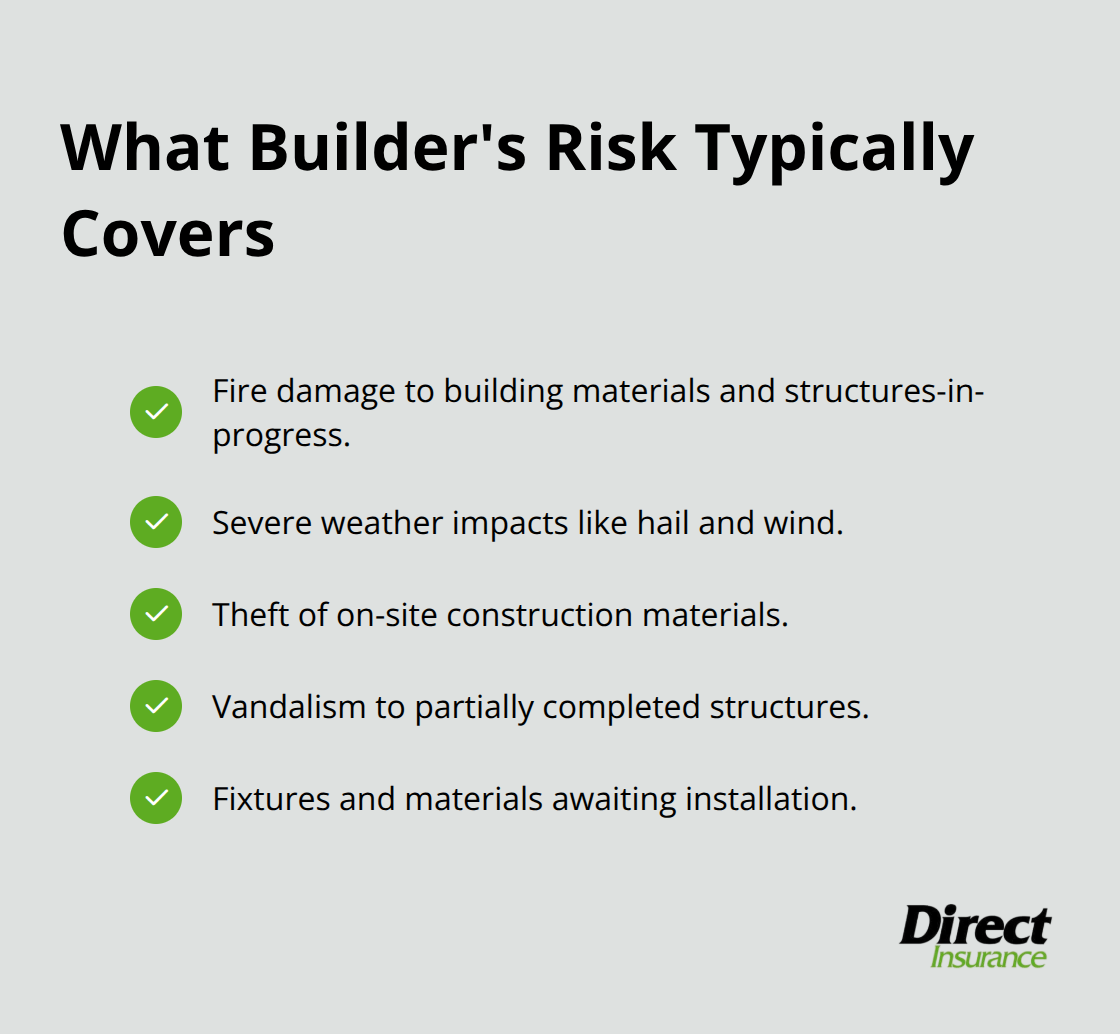
Builder’s risk fills this exact gap.
Utah’s Weather Creates Immediate Risk
Utah experiences weather patterns that generate legitimate construction exposure. Spring hail seasons regularly damage exposed materials and partially constructed buildings. Exposed framing, roofing materials, and windows take direct hits during these events. A single hail storm can destroy weeks of work and thousands of dollars in materials before contractors can protect the structure. Builder’s risk covers these losses directly, protecting your project timeline and budget.
Material Theft Threatens Project Budgets
Material theft from construction sites costs the industry billions annually. Copper wire, HVAC units, and appliances disappear from Utah job sites regularly, particularly in the Salt Lake City metro area where resale markets remain active. A single theft of materials can delay projects by weeks and cost thousands in replacement expenses. Thieves target high-value items that contractors stage on-site before installation, and they work quickly during evening hours or weekends. Builder’s risk covers these losses directly, protecting your investment from criminals who target construction sites.
Lenders Require Coverage Before Releasing Funds
Utah doesn’t legally mandate builder’s risk insurance statewide, but mortgage lenders almost universally require it before releasing construction funds. If you’re building a residential or commercial property with financing, your lender will demand proof of coverage naming them as loss payee. This means the insurance requirement isn’t optional-it’s a condition of getting paid. Construction loans typically won’t disburse funds without active coverage in place. Additionally, if you’re working on projects with public entities or larger commercial clients, they often require builder’s risk as a contract condition. Project delays from coverage gaps cost far more than the premium itself.
Coverage Gaps Create Financial Exposure
Standard property insurance policies exclude construction-phase risks entirely. Your homeowners or commercial property policy won’t activate until the structure reaches completion and you occupy it. This leaves months of vulnerability where your investment sits unprotected. Weather damage, theft, and vandalism during construction fall outside standard coverage, leaving contractors personally liable for losses. Builder’s risk bridges this gap by providing protection specifically designed for active construction phases. Understanding what your current policies don’t cover helps you identify the exact protection your Utah project needs.
Coverage Shifts as Your Project Progresses
Builder’s risk insurance adapts to match what you’re actually protecting at each stage, and premiums reflect this reality. Early-stage projects covering only foundation work and site preparation cost significantly less than active framing phases where exposed materials sit vulnerable. Your policy should flex with your project timeline rather than forcing you to pay for protection you don’t need yet.
Foundation and Site Prep Phase Requires Different Protection
Foundation work presents distinct exposures compared to later construction phases. Excavation equipment, concrete materials staged on-site, and freshly poured foundations face theft and weather damage before protective structures exist. Construction site theft results in an estimated annual loss of over $1 billion in equipment, particularly in urban areas where recycled concrete has resale value. Your foundation phase coverage should emphasize materials protection and equipment coverage rather than the structural damage protection you’ll need later. Many contractors start with stripped-down policies during this phase, then expand coverage as framing begins. This approach reduces unnecessary premium costs while maintaining protection where actual risk concentrates. Deductibles typically range from $2,500 to $10,000 during foundation work, and choosing the higher end saves 15-20% on premiums if your project timeline allows. Coverage limits at this stage should match your material inventory plus equipment value rather than the final project cost.
Active Construction Demands Maximum Material Protection
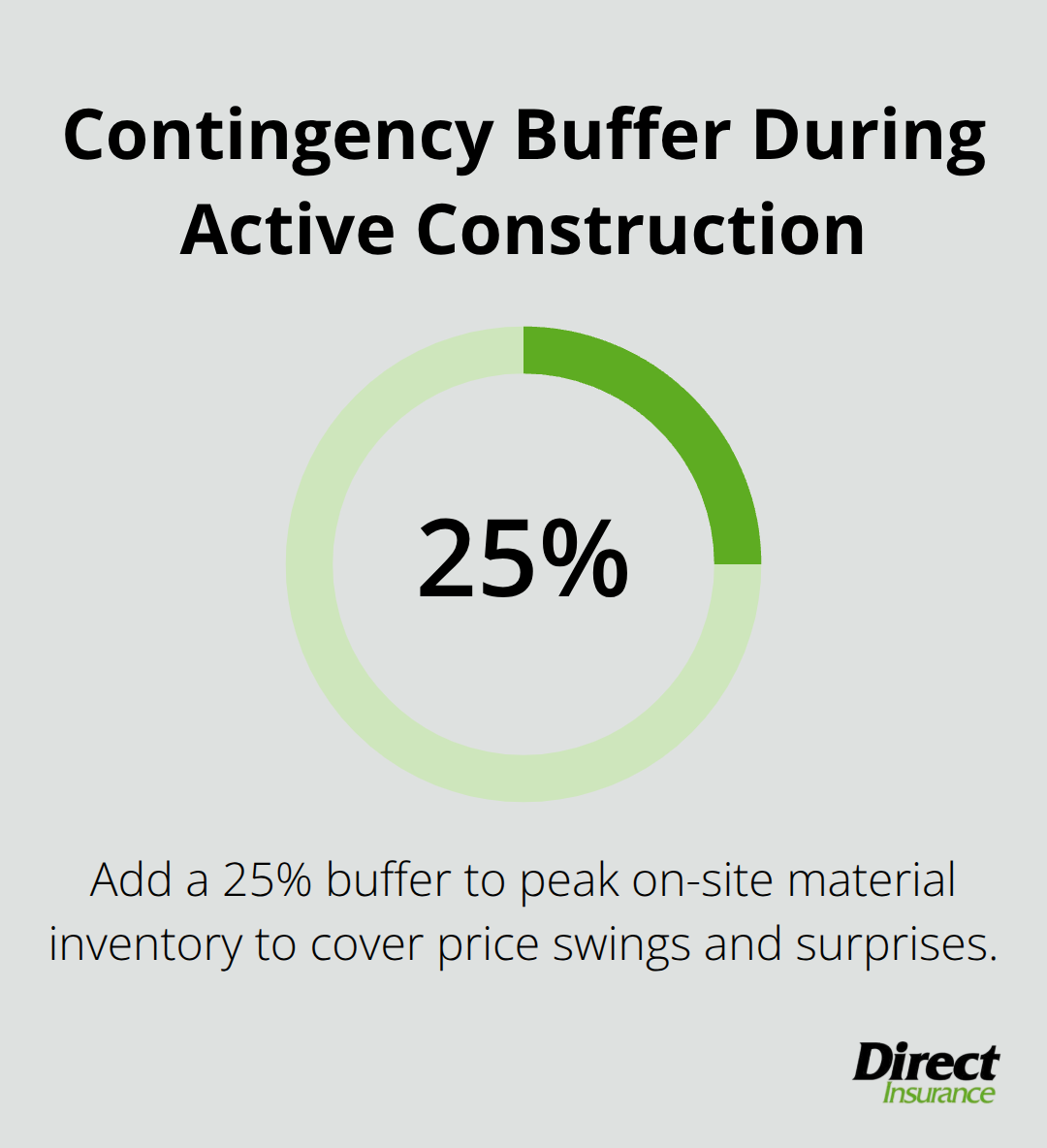
Once framing starts, your exposure multiplies dramatically. Lumber prices fluctuate significantly, and a single hail storm can destroy weeks of framing work. Spring hail events in Utah regularly cause $50,000+ in damage to exposed structures within minutes. Your coverage during this phase should prioritize the full replacement cost of materials and partially completed work. This is where most contractor claims originate, and inadequate limits during active construction create devastating financial gaps. Many Utah contractors underestimate this phase’s actual material value and carry insufficient coverage limits. Calculate your peak material inventory on-site, not your average, then add 25% for contingency. Windows, HVAC units, and appliances staged before installation attract theft, so coverage should explicitly include these high-value items.
Transition Planning Protects Your Final Stages
As your project approaches completion, your coverage needs shift again. Exposed materials decline and structural risk drops substantially once you install protective systems and secure the building envelope. This transition phase (typically the final 4-6 weeks) requires different protection than active framing stages. Your policy should adjust downward to reflect reduced material exposure while maintaining coverage for final inspections and punch-list work. Planning this transition in advance prevents coverage gaps that catch contractors off-guard during closeout phases.
Understanding how your protection evolves across project stages positions you to select appropriate limits and deductibles. The next section examines how to evaluate specific coverage options and compare policies that match your Utah project’s actual needs.
Selecting Coverage Limits That Match Your Project Reality
Picking the right coverage limit separates contractors who recover quickly from losses versus those who face financial devastation. Most Utah contractors make this decision poorly by either guessing at numbers or letting their insurance agent suggest a round figure. Start with your project’s actual peak material value on-site, not the total project cost. If you’re building a residential home with a $400,000 final price tag, your peak material inventory might only reach $80,000 during the framing phase. Insuring the full project cost wastes premium dollars on protection you don’t need.
Calculate Your True Peak Exposure
Calculate what materials, fixtures, and equipment will physically sit on your lot at maximum, then add 20-30% for contingency and price fluctuations. Lumber prices swing significantly based on market conditions, so this buffer protects you if material costs spike during your project timeline. Your coverage limit should reflect this realistic peak exposure, not theoretical worst-case scenarios. Deductibles directly impact your premium costs-moving from a $2,500 deductible to $5,000 typically reduces premiums by 10-15% according to insurance industry data. However, this trade-off only makes sense if your project budget can absorb that larger out-of-pocket cost when claims occur. A contractor with tight cash flow shouldn’t chase premium savings by accepting deductibles they can’t afford to pay.
Match Limits to Project Type and Scope
Utah contractors working on residential projects commonly carry $50,000 to $150,000 coverage limits with $5,000 deductibles, while commercial projects often require $250,000 to $500,000+ limits depending on scope. Your lender’s requirements will also dictate minimum limits, so confirm these numbers before finalizing your policy. This ensures you meet financing conditions while avoiding unnecessary overinsurance that inflates your costs.
Compare Quotes From Multiple Providers
Local Utah insurance providers understand construction risks better than national carriers because they see these exposures repeatedly across similar projects. When comparing quotes, examine what each policy explicitly includes and excludes rather than just focusing on premium price. Some policies provide broader coverage for contractor equipment on-site, while others exclude it entirely. Theft coverage varies significantly-some policies cap theft claims or exclude certain high-value items unless specifically endorsed.
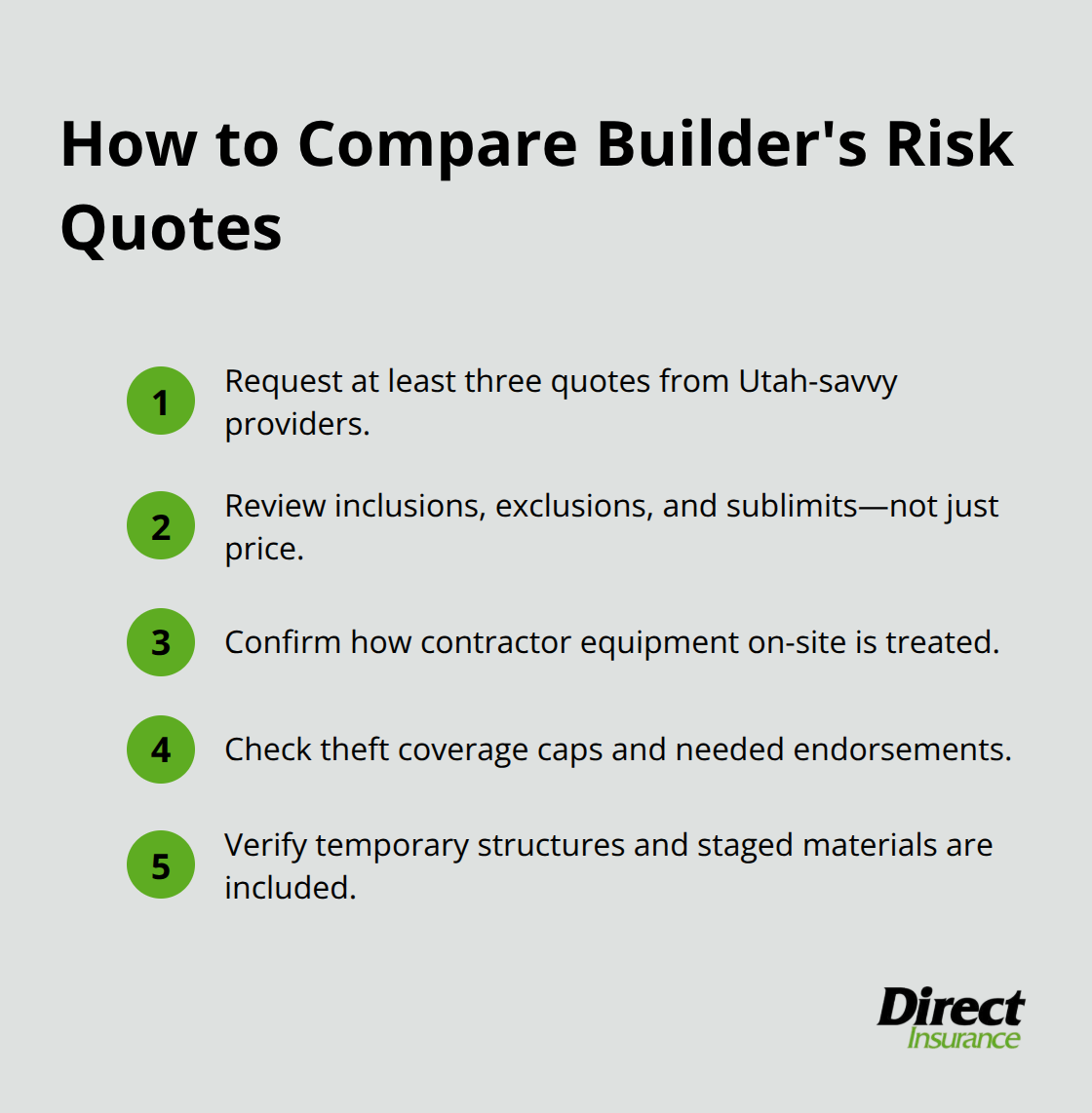
Ask each provider whether they cover temporary structures, site offices, and materials staged before formal construction begins. Clarify whether coverage includes damage from vandalism or only theft, since these require different policy language. Request quotes from at least three providers, but don’t assume the lowest price delivers the best protection. A policy $200 cheaper annually but with half the coverage limits creates false economy.
Evaluate Policy Language and Claims Handling
Review each quote’s specific policy language about what triggers coverage, what exclusions apply, and how claims actually settle. Utah contractors report that settling claims with carriers unfamiliar with local construction practices takes 2-3 times longer than working with providers who understand regional building standards and typical project timelines. Local independent agencies like Direct Insurance Services work with top-rated carriers and handle builder’s risk claims for Utah contractors regularly, which means they know exactly what documentation insurers require and how to move claims forward efficiently.
Final Thoughts
Builder insurance Utah protects your project investment across every construction phase, from foundation work through final handoff. The coverage gaps in standard property policies leave contractors exposed to weather damage, theft, and material loss during the months when your project sits most vulnerable. Selecting appropriate coverage limits based on your peak material inventory and comparing quotes from providers familiar with Utah’s construction environment positions you to make decisions that actually protect your bottom line.
Project delays from uninsured losses, lender requirements that halt fund disbursement, and contractual obligations with clients or public entities make builder’s risk insurance a practical necessity rather than an optional expense. Utah contractors who calculate their true peak exposure and match coverage limits accordingly avoid the false economy of underinsurance while preventing premium waste from overprotection. The financial impact of inadequate coverage extends far beyond claim settlements and affects your project timeline and profitability directly.
Contact Direct Insurance Services to discuss builder insurance options that fit your current project timeline and budget constraints. Our team works with Utah construction professionals regularly and understands how insurance decisions affect your bottom line. A straightforward conversation about your project’s actual exposures and financial needs starts the process of securing the right protection.
Disclaimer: The information provided in this blog is for general informational purposes only and does not constitute legal, financial, or insurance advice. Coverage options, terms, and availability may vary. Please consult with a licensed professional for advice specific to your situation


