Contractor insurance requirements Utah: What Your Team Needs
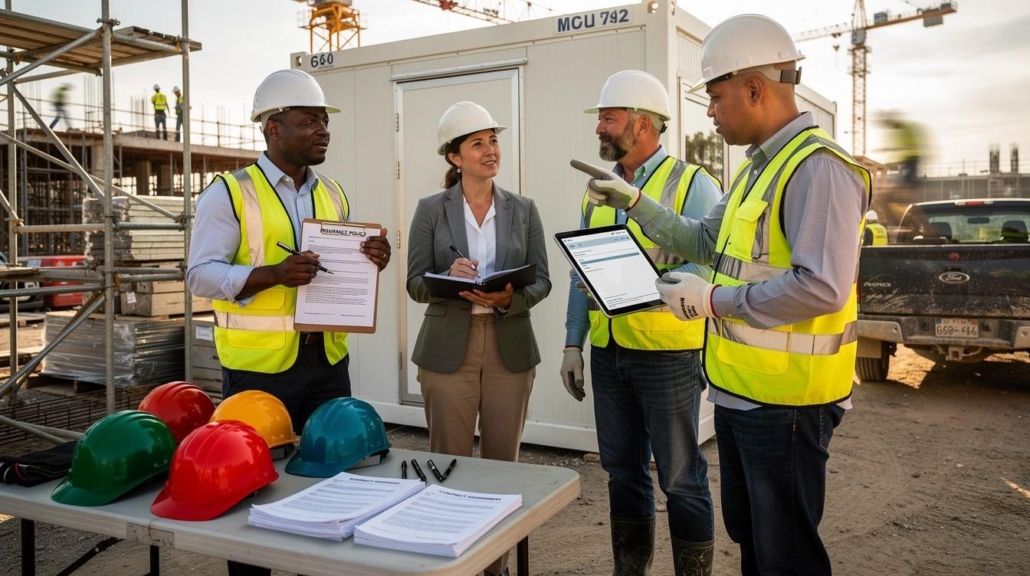
Running a contracting business in Utah means navigating specific insurance rules that protect your team and your bottom line. Missing the right coverage can expose you to serious liability and legal penalties.
At Direct Insurance Services, we’ve helped countless Utah contractors understand their contractor insurance requirements and build protection plans that actually work. This guide breaks down what your team legally needs and what smart contractors add for extra security.
What Utah Actually Requires Contractors to Carry
State Mandates for Liability Coverage
Utah‘s contractor insurance landscape is straightforward but non-negotiable. The state mandates general liability insurance for most construction work, though the specific requirements depend on your license type and project scope.
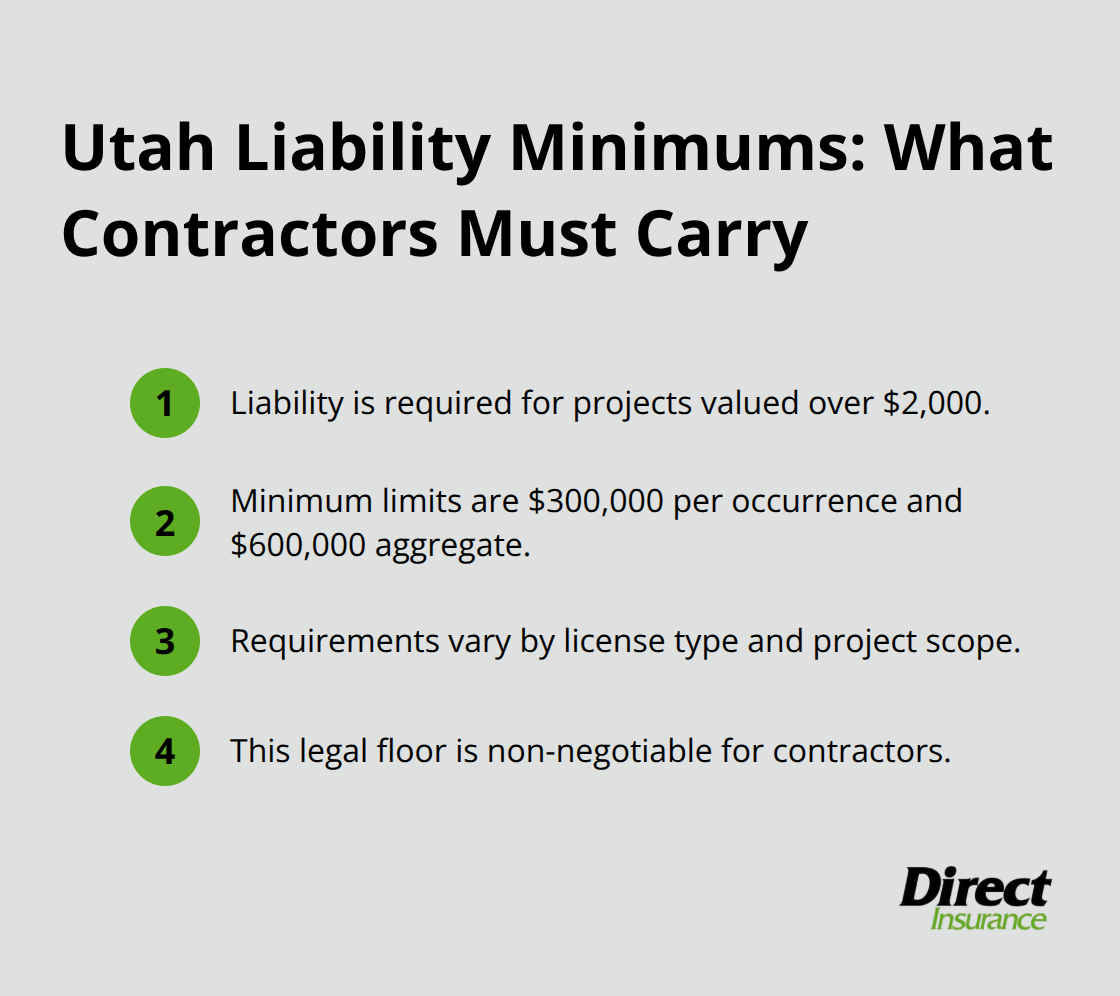
According to the Utah Division of Occupational and Professional Licensing, contractors performing work valued over $2,000 must carry liability coverage with minimum limits of $300,000 per occurrence and $600,000 aggregate. This isn’t a suggestion-it’s the legal floor.
Workers’ Compensation and Employee Requirements
Workers’ compensation coverage becomes mandatory the moment you hire your first employee, with Utah’s Labor Commission setting rates based on your industry classification. For a framing crew, you’ll pay roughly 15-20% of payroll for workers’ comp premiums, while electrical contractors typically face 8-12%. Utah’s experience modification rate system adjusts your workers’ comp premiums based on your claims history-contractors with poor safety records can see rates increase by 25-50% or more. This creates a direct financial incentive to invest in safety training and proper coverage.
Licensing and Bonding Obligations
The state also requires contractors to obtain a license before performing work, and many specialties demand a performance bond equal to 10-15% of the project contract value. Bonding protects property owners if you fail to complete work or pay subcontractors-it’s not optional for licensed contractors on residential projects over $15,000.
Beyond Legal Minimums: What Smart Contractors Add
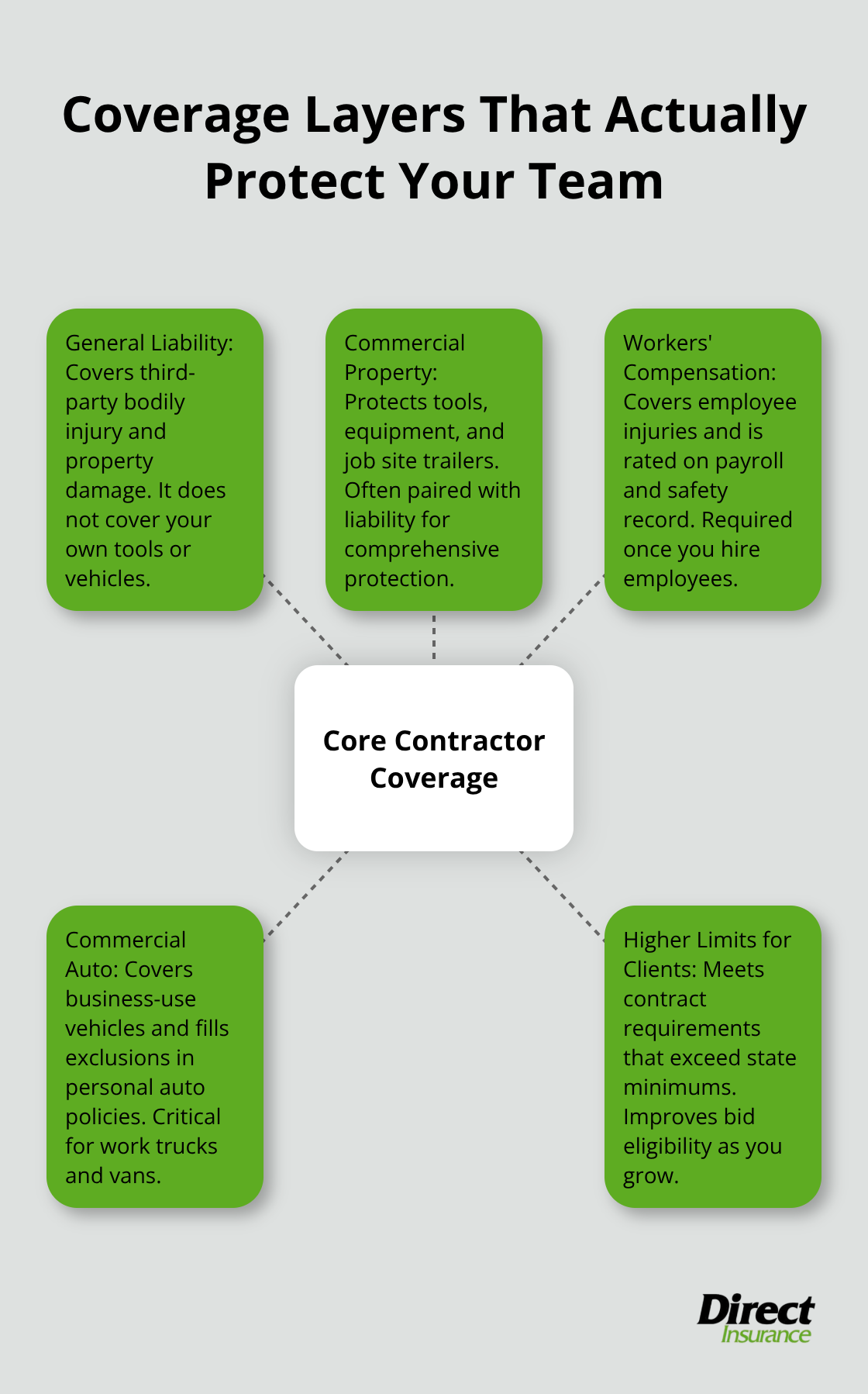
Meeting Utah’s minimum requirements leaves significant gaps in your protection. General liability covers bodily injury and property damage claims, but it won’t protect your tools, equipment, or vehicles at the job site. You should layer commercial property insurance on top of your liability policies to cover everything from power tools to job site trailers. Many Utah contractors also carry commercial auto insurance separate from their personal policies, which is critical since personal auto policies explicitly exclude business use.
Before signing any policy, verify that your coverage limits align with what your clients actually require in their contracts, as many developers and general contractors demand liability limits of $1,000,000 or higher. Starting with Utah’s legal minimums is acceptable, but growing contractors find that higher limits become standard within 18-24 months of operation. Your next step involves understanding which specific coverage types your team actually needs and how to evaluate providers who can deliver the right protection at competitive rates.
Coverage That Actually Protects Your Utah Contracting Team
Why General Liability Alone Leaves You Exposed
General liability insurance covers bodily injury and property damage claims, but it won’t pay for the tools stolen from your truck or the damage to your own equipment. A framing contractor with $50,000 in power tools and equipment faces devastating financial loss if a job site break-in happens without proper coverage. This gap in protection forces many contractors to operate at unnecessary risk during their first year of business.
Commercial Property Insurance Fills the Critical Gap
You need to layer commercial property insurance on top of your liability policies to protect what matters most. Commercial property policies typically cost 8-12% of your annual liability premium and cover everything from hand tools to scaffolding and job site trailers. A $5,000 annual liability premium means property coverage runs roughly $400-600 per year, but losing your tools stops your operation entirely. The financial math makes this investment obvious-you can’t afford to skip it.
Workers’ Compensation Rates Reflect Your Safety Record
Workers’ compensation becomes mandatory the moment you hire your first crew member, and Utah’s Labor Commission sets rates based on your specific trade classification. A roofing contractor pays approximately 18-22% of payroll for workers’ comp, while a general contractor might pay 8-10%. Your experience modification rate adjusts these premiums up or down based on your claims history, so a contractor with two serious claims in three years faces rates 40-50% higher than the baseline. This creates real pressure to invest in jobsite safety training and proper protocols-your safety practices directly impact your bottom line.
Commercial Auto Insurance Protects Your Work Vehicles
Commercial auto insurance separates from your personal policy because standard auto policies explicitly exclude business use. If your truck hits someone while you’re heading to a job, your personal insurer will deny the claim. Commercial auto coverage typically runs $1,200-1,800 annually for a single work vehicle with proper contractor limits. Many Utah general contractors now demand that subcontractors carry $2,000,000 in combined general liability coverage, which means starting with state minimums puts you at a competitive disadvantage within your first year of operation.
Meeting Client Expectations Requires Higher Limits
Your clients’ contract requirements often exceed Utah’s legal minimums, and this reality shapes what coverage you actually need to win work. Contractors who start with state-minimum policies find themselves unable to bid on projects within 12-18 months as their client base grows and demands increase. The solution involves working with an independent insurance agency that understands Utah’s contractor market and can build policies that match both your legal obligations and your clients’ expectations.
Finding the Right Insurance Partner for Your Utah Contracting Business
Price Comparisons Hide Real Coverage Differences
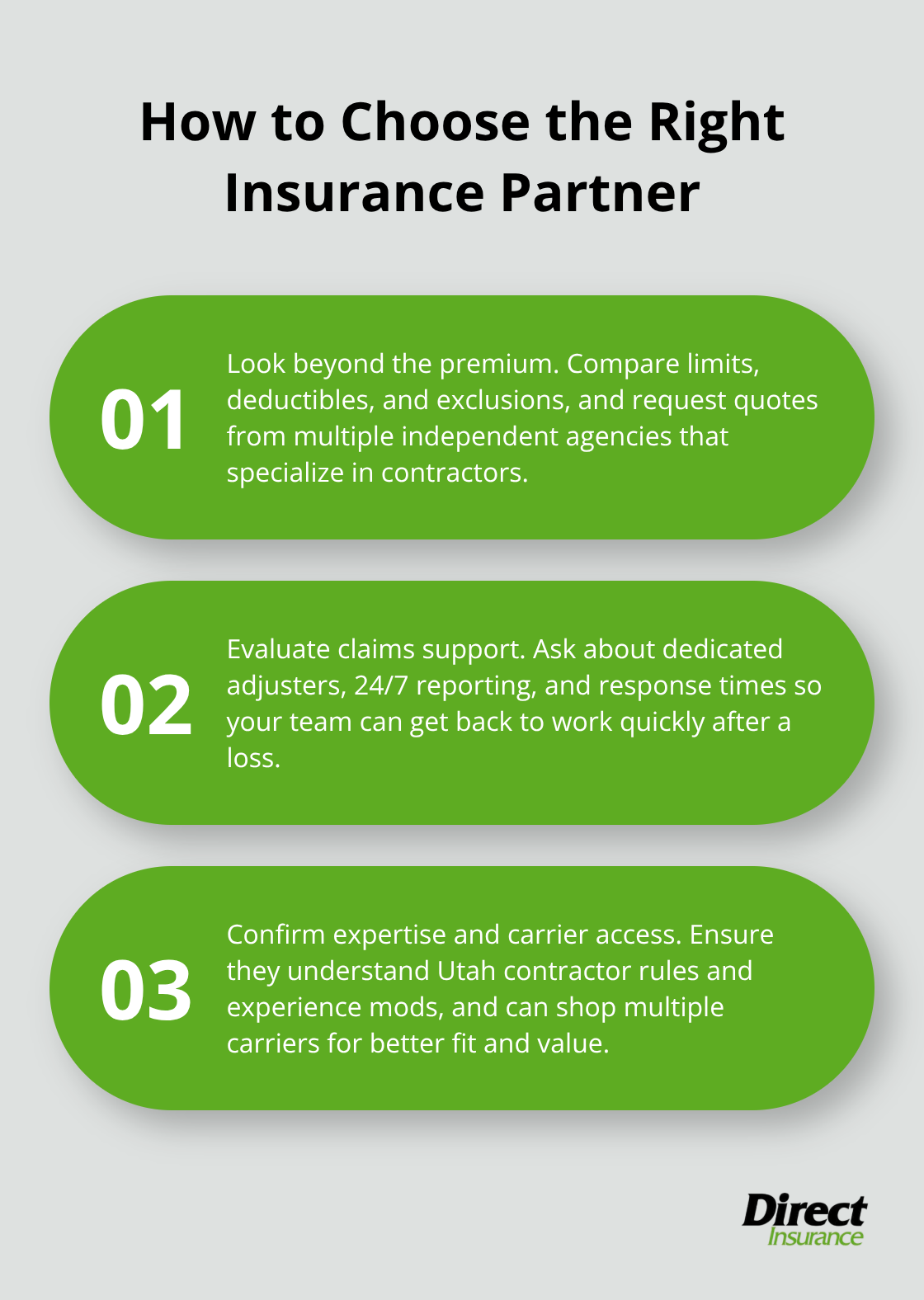
Selecting an insurance provider matters far more than most contractors realize, because the wrong agency leaves you scrambling when claims actually happen. Many Utah contractors make the mistake of comparing only premium prices, which forces them into policies with inadequate limits or poor claims support. Start by identifying what your actual clients require in their contracts, then work backward to find carriers that offer those limits without excessive cost. Request quotes from at least three independent agencies that specialize in contractor coverage, not general commercial policies, because contractors face unique exposures that standard commercial policies often miss.
When comparing quotes, verify that each one includes the specific coverage types your team identified as necessary-general liability, workers’ compensation, commercial property, and commercial auto. A $200 difference in annual premiums masks significant differences in coverage limits, deductibles, or exclusions that matter when claims occur. You’ll spot these gaps only if you read the policy details carefully rather than focusing solely on the bottom line.
Claims Support Quality Separates Good Agencies from Poor Ones
Claims support quality separates exceptional insurance partners from mediocre ones, yet most contractors never evaluate this until they actually need to file a claim. Contact each agency and ask specifically how they handle claims-do they assign a dedicated adjuster, provide 24/7 claims reporting, or require you to contact the carrier directly? An agency that handles claims quickly and professionally can mean the difference between resuming work in days versus weeks when something goes wrong.
Ask for references from other Utah contractors they serve, then actually call those references and ask about their real-world claims experience. You’ll learn far more from direct conversations than from marketing materials. An agency that responds quickly to your questions during the quote process typically maintains that same responsiveness when you file a claim.
Understanding Experience Modification Rates and Carrier Access
Look for agencies that understand Utah’s specific contractor regulations and can explain exactly how your experience modification factor works and what you can do to improve it over time. Your experience mod can influence what you pay for workers’ compensation, so understanding this system matters for your long-term costs. Independent agencies can access multiple carriers simultaneously, meaning you get genuine competitive quotes rather than being locked into one company’s pricing and service model.
Carriers publish loss history data showing which insurers consistently pay claims faster than others, though you’ll need to request this information directly from agencies. This data helps you identify which carriers perform well in your specific trade classification. An independent agency (rather than a captive agent representing one carrier) can present you with options that truly compete on both price and service quality.
Final Thoughts
Utah’s contractor insurance requirements form the foundation of a sustainable business, but meeting legal minimums won’t protect your team or help you compete for better projects. You need general liability coverage with adequate limits, workers’ compensation that reflects your actual payroll, commercial property insurance for your tools and equipment, and commercial auto coverage for your work vehicles-these layers work together to cover the exposures that actually threaten your operation. Your clients’ contract requirements will push you toward higher limits within your first year of operation, so starting with a provider who understands this trajectory saves you from rebuilding your coverage later.
Finding the right insurance partner matters far more than finding the cheapest quote. You need an agency that specializes in contractor coverage, understands Utah’s specific regulations, and responds quickly when claims happen (not just during the sales process). Request quotes from multiple independent agencies, verify that each quote includes the coverage types your team actually needs, and ask directly about their claims support process before you sign anything.
Direct Insurance Services helps Utah contractors build customized commercial insurance solutions that fit their business and budget. Contact us to discuss your contractor insurance requirements Utah and get quotes that match what your team needs to operate with confidence.
Disclaimer: The information provided in this blog is for general informational purposes only and does not constitute legal, financial, or insurance advice. Coverage options, terms, and availability may vary. Please consult with a licensed professional for advice specific to your situation


