St George trucking insurance: Local Fleet Protection
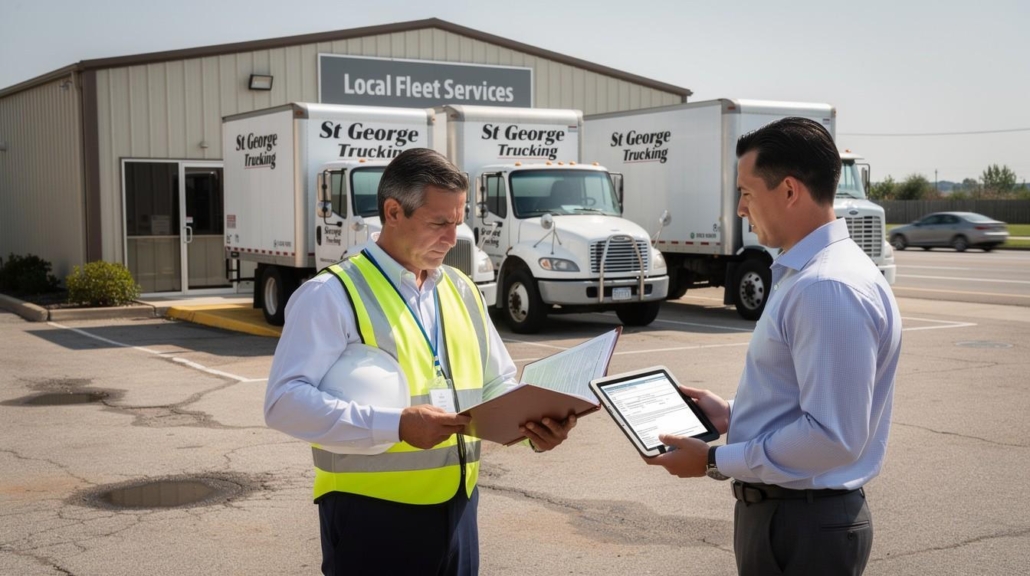
Running a trucking fleet in St George means navigating strict regulations and protecting your business from real financial risk. The wrong coverage leaves you exposed to liability claims that could devastate your operation.
At Direct Insurance Services, we work with local trucking companies to build insurance strategies that actually fit how you operate. This guide walks you through the coverage options and requirements that matter for your fleet.
St George Trucking Insurance Requirements and Local Realities
Utah and Federal Liability Standards Set Your Coverage Floor
Utah requires intrastate private carriers to maintain a minimum of $750,000 in auto liability coverage under Utah Rule 909-1, but most brokers and shippers demand $1,000,000 on certificates of insurance regardless. If you cross state lines even occasionally, federal standards take over. The Federal Motor Carrier Safety Administration mandates $750,000 in liability for general freight carriers. Most brokers won’t accept anything below $1,000,000 on virtually every load, so the practical floor for St George operations exceeds the legal minimum. Underfunding your liability limit creates a gap between what you’re covered for and what brokers will accept, leaving you unable to book loads or forcing you into expensive last-minute policy adjustments.
FMCSA Filings Activate Your Authority and Enable Operations
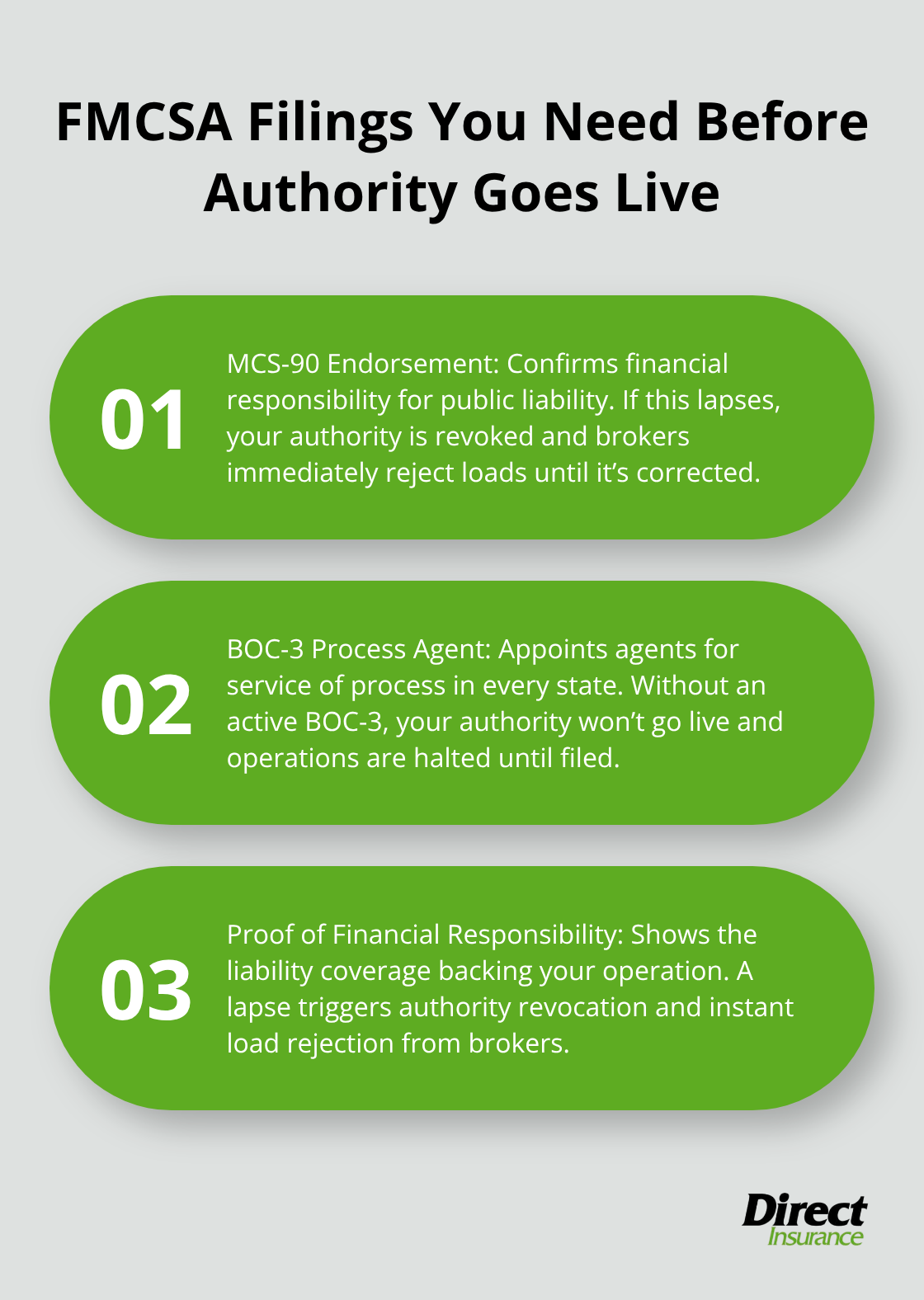
Activating your MC Number requires three filings with FMCSA before your authority goes live: the MCS-90 endorsement, the BOC-3 process agent appointment, and proof of financial responsibility. A lapse in any of these triggers authority revocation and immediate load rejection from brokers until you cure it. The I-15 corridor through St George and the surrounding freight patterns mean you’ll face construction zones, merges, and constant detours that increase collision exposure and inform how insurers price your liability.
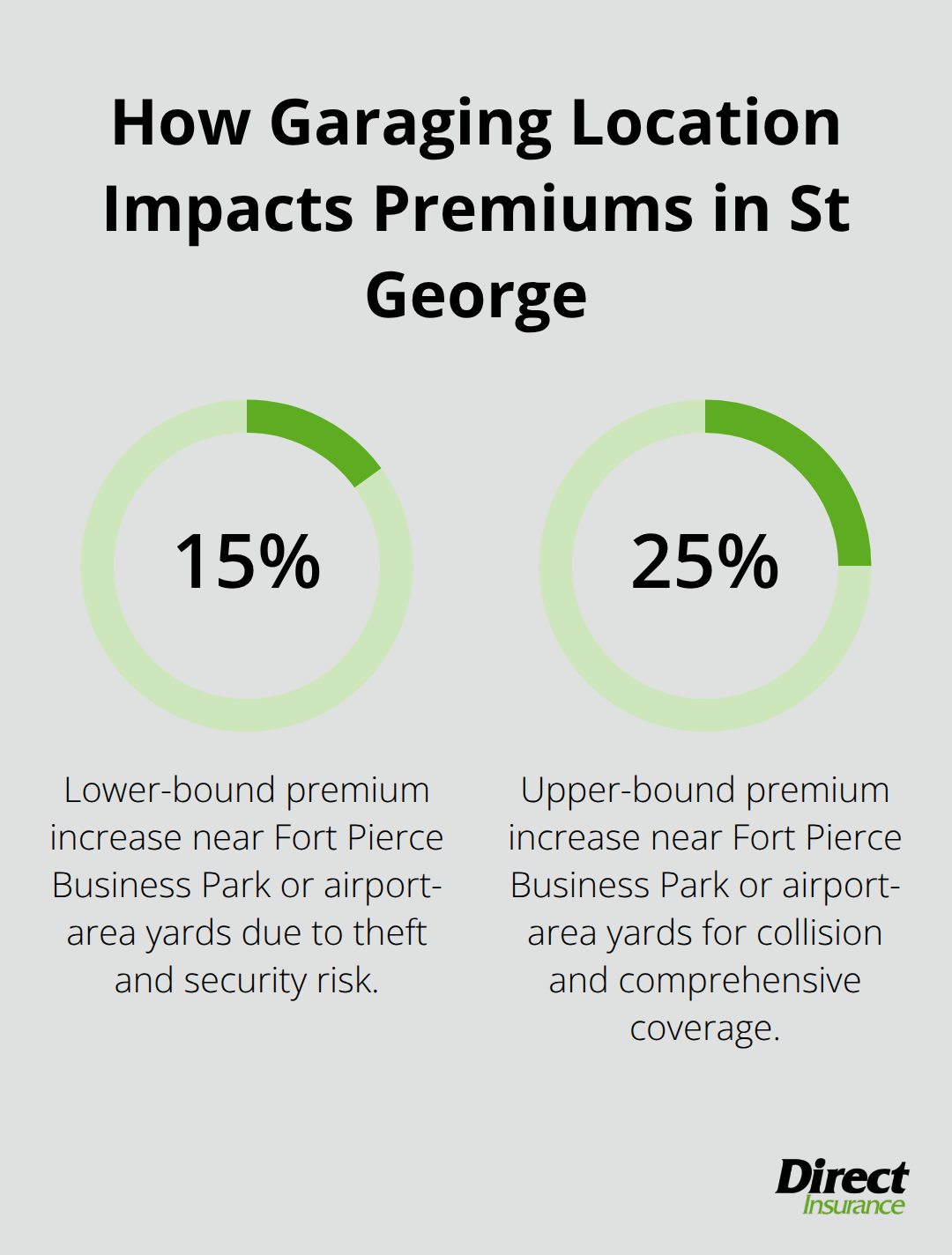
Physical damage claims spike during construction seasons, so your deductible choice directly affects both premium and your ability to absorb losses on high-risk routes. Garaging location also affects pricing; facilities near Fort Pierce Business Park or airport-area yards carry higher physical-damage and cargo premiums due to security and theft risk factors.
Cargo Coverage and Non-Owned Equipment Fill Operational Gaps
Cargo insurance typically ranges from $100,000 up to $1,000,000 and is required by virtually all brokers on every load. If you haul time-sensitive produce or reefer freight from St George to Las Vegas, you’ll need higher cargo limits and should consider Reefer Breakdown coverage for refrigeration-unit failures. Non-Owned Trailer Physical Damage and Trailer Interchange coverage close gaps when you borrow equipment without a formal agreement, which happens regularly on regional LTL lanes. Hired and Non-Owned Auto coverage extends your liability to vehicles you rent or employees use for business that aren’t on your policy schedule. These add-ons aren’t optional for most fleets; they’re operational necessities that separate compliant operators from those exposed to broker rejection or claim denials.
Understanding these requirements and coverage gaps positions you to build a policy that actually works for your operation. The next section walks through the specific coverage options that protect your fleet from the financial impact of accidents, cargo loss, and liability claims.
Building the Right Coverage for St George Fleets
Liability and Physical Damage Form Your Foundation
Commercial auto liability and physical damage create the backbone of any trucking operation, but the coverage limits and deductibles you select directly shape both your premium and your exposure on every load. Physical damage deductibles matter more than many operators realize; a $2,500 deductible versus $1,000 can save $200–$400 annually on premium, but a single collision in the I-15 construction zones through central St George absorbs that savings instantly. Garaging location influences physical damage pricing significantly; operators based near Fort Pierce Business Park or airport-area yards pay 15–25% higher premiums for collision and comprehensive coverage due to theft and security risk.
Cargo Coverage Protects Your Freight and Revenue
Your cargo limits depend entirely on what you haul; time-sensitive produce and reefer freight from St George to Las Vegas requires $500,000–$1,000,000 in cargo coverage. Reefer Breakdown coverage adds another $50–$75 monthly but prevents total loss when refrigeration fails mid-route. Cargo insurance typically ranges from $100,000 up to $1,000,000 and is required by virtually all brokers on every load. Skipping this coverage means you absorb losses from damaged freight, spoilage, or theft-a risk no operator should carry.
Workers Compensation and Occupational Accident Protect Your Team
Utah requires workers compensation for most trucking operations, but owner-operators and certain fleet structures can opt into occupational accident programs that typically run $150–$300 monthly per covered person. These programs provide comparable injury protection without the full workers comp overhead. When injuries occur, the structure you choose affects both cost and claim outcomes, so selecting the right program matters for your bottom line and your drivers’ security.
Equipment and Interchange Coverage Close Operational Gaps
Non-Owned Trailer Physical Damage and Hired and Non-Owned Auto coverage close gaps that most fleets overlook until a claim hits. Borrowing trailers on regional LTL lanes without formal interchange agreements leaves you liable for damage, and these endorsements cost $30–$60 monthly but protect thousands in equipment exposure. Trailer Interchange coverage protects you when equipment moves through formal interchange agreements, and intermodal operations supporting drayage near the UP Salt Lake City Intermodal Hub benefit from specialized intermodal insurance that addresses UIIA requirements and intermodal equipment liability.
Specialty Freight Demands Higher Limits and Additional Coverage
St George operators hauling specialty freight like reefer or high-value loads should carry higher cargo limits and treat Reefer Breakdown coverage as standard practice rather than optional add-on. These decisions reflect the actual risk your operation faces on regional lanes and prevent gaps between what you’re covered for and what your freight demands. The coverage you build today determines whether a single incident drains your reserves or stays within your insurance protection. Your next step involves matching these coverage options to your specific routes, equipment, and freight type-a process that reveals which endorsements you truly need and which ones you can safely skip.
Why Local Agents Understand Your St George Operation Better Than National Carriers
National carriers and online quote systems miss the operational details that actually drive your costs and claims. When you contact a national insurer for a quote, they see a ZIP code and a vehicle count. They don’t see that you navigate I-15 construction zones that spike collision claims during summer months, or that you garage equipment near Fort Pierce Business Park where theft premiums run 15–25% higher than operators based elsewhere. A local agent understands these specifics because they work with other St George fleets facing identical routes, seasonal patterns, and risk concentrations. This knowledge shapes how they structure your coverage, which carriers they approach, and what limits and deductibles actually protect your operation without overpaying for exposure you don’t face.
Local Knowledge Accelerates Underwriting and Claims Resolution
Local expertise means faster underwriting and claim resolution when incidents occur. National carriers process claims through regional centers with no familiarity with St George freight patterns or local road conditions. When a collision happens in the I-15 construction zone and your claim needs routing notes or context about construction impact on liability, a local agent provides that documentation directly to underwriters who already understand the environment. Coast Transport, a Utah-based carrier that has served owner-operators and small fleets since 1976, handles same-day COI filings and maintains in-house expertise on regional lanes that national competitors simply don’t possess. This matters because a two-hour COI filing window can mean the difference between booking a load and losing it to a competitor. Independent agents have access to multiple carriers, including specialists like Coast Transport, rather than forcing you into a single national carrier’s pricing model and claims process.
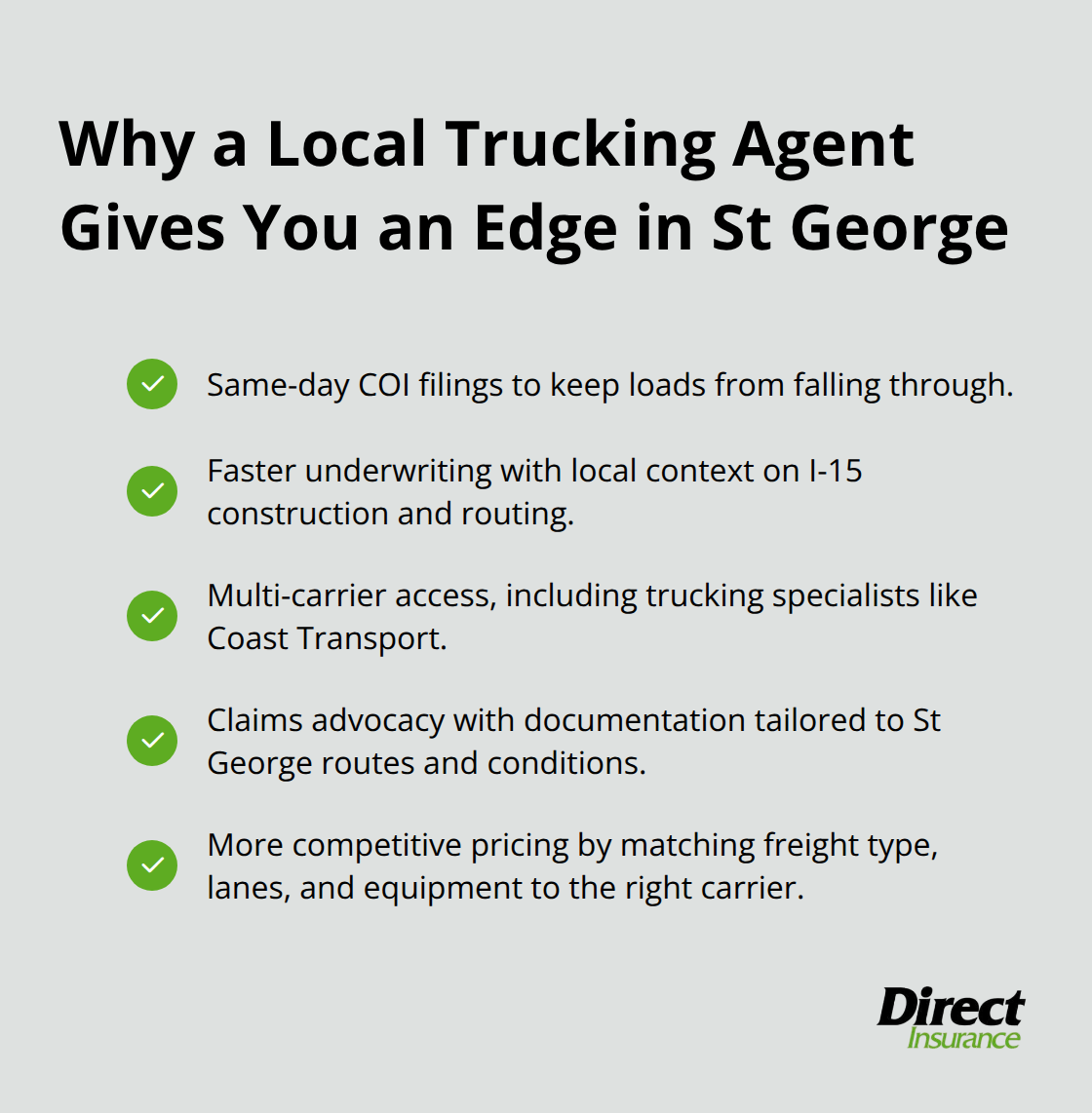
Specialized Carriers Price Your Freight Type Competitively
Access to specialized trucking carriers changes what coverage options you can actually obtain and at what cost. National auto insurers either don’t write commercial trucking policies or they price them so high that owner-operators and small fleets can’t compete. Carriers that specialize in trucking understand reefer breakdown risk, cargo loss patterns on specific corridors, and how non-owned trailer exposure differs between intermodal operations near the UP Salt Lake City Intermodal Hub and regional LTL lanes. An agent who represents multiple specialized carriers matches your specific freight type, operating radius, and equipment mix to the carrier that prices that risk most competitively. A reefer operator running time-sensitive produce from St George to Las Vegas faces different underwriting than a general freight hauler, and a carrier that specializes in temperature-controlled transport prices that operation lower than a generalist. This carrier selection process happens behind the scenes, but it directly affects whether your annual premium runs $8,000 or $18,000 for the same coverage.
Annual Reviews Protect Your Operation as Your Business Grows
Annual policy reviews and claims advocacy protect your operation as your business grows and routes change. Most national carriers mail you a renewal notice once yearly with a take-it-or-leave-it premium. A local agent reviews your coverage annually, asks about new equipment, changes in freight type, or expanded operating radius, and shops your policy across multiple carriers to find better rates as your loss history improves. When claims occur, a local agent advocates for you during the investigation and settlement process, providing context about road conditions, traffic patterns, or cargo handling that national adjusters won’t have. This advocacy reduces claim denial rates and accelerates settlements so you return to operations faster. The cost of ongoing support is minimal compared to the premium savings and claim protection it generates over three to five years.
Direct Insurance Services Connects You to Specialized Carriers
At Direct Insurance Services, we work with St George trucking companies because we understand the routes, seasonal patterns, and risk concentrations that national carriers overlook. As an independent agency, we have access to top-rated carriers that specialize in trucking, including specialists who price reefer operations, cargo exposure, and regional lanes competitively. We review your coverage annually, shop your policy across multiple carriers as your loss history improves, and advocate for you when claims occur. This local, personalized approach means you get coverage that actually fits how you operate-not a one-size-fits-all policy designed for national averages.
Final Thoughts
St George trucking insurance protects your operation from the financial devastation of liability claims, cargo loss, and equipment damage. Your liability limits must meet both Utah state minimums and broker demands, which typically means $1,000,000 in auto liability rather than the legal floor of $750,000. Physical damage deductibles, cargo limits, and specialty endorsements like Reefer Breakdown coverage should match the actual freight you haul and the routes you run through I-15 construction zones and regional lanes.
Non-Owned Trailer Physical Damage and Hired and Non-Owned Auto coverage close operational gaps that most fleets overlook until a claim hits. Annual policy reviews adapt your coverage as your business grows and your loss history improves. At Direct Insurance Services, we work with St George trucking companies because we understand the routes, seasonal patterns, and risk concentrations that national carriers miss, and we have access to top-rated carriers that specialize in trucking and price reefer operations, cargo exposure, and regional lanes competitively.
Contact Direct Insurance Services for a free commercial trucking insurance quote. Bring your DOT number, driver MVRs, and a current vehicle list to accelerate underwriting, and we’ll identify coverage gaps, show you how different limits and deductibles affect your premium, and connect you with carriers that price your specific operation competitively. Most quotes take hours to complete, and we can bind coverage the same day if you’re ready to move forward.
Disclaimer: The information provided in this blog is for general informational purposes only and does not constitute legal, financial, or insurance advice. Coverage options, terms, and availability may vary. Please consult with a licensed professional for advice specific to your situation

